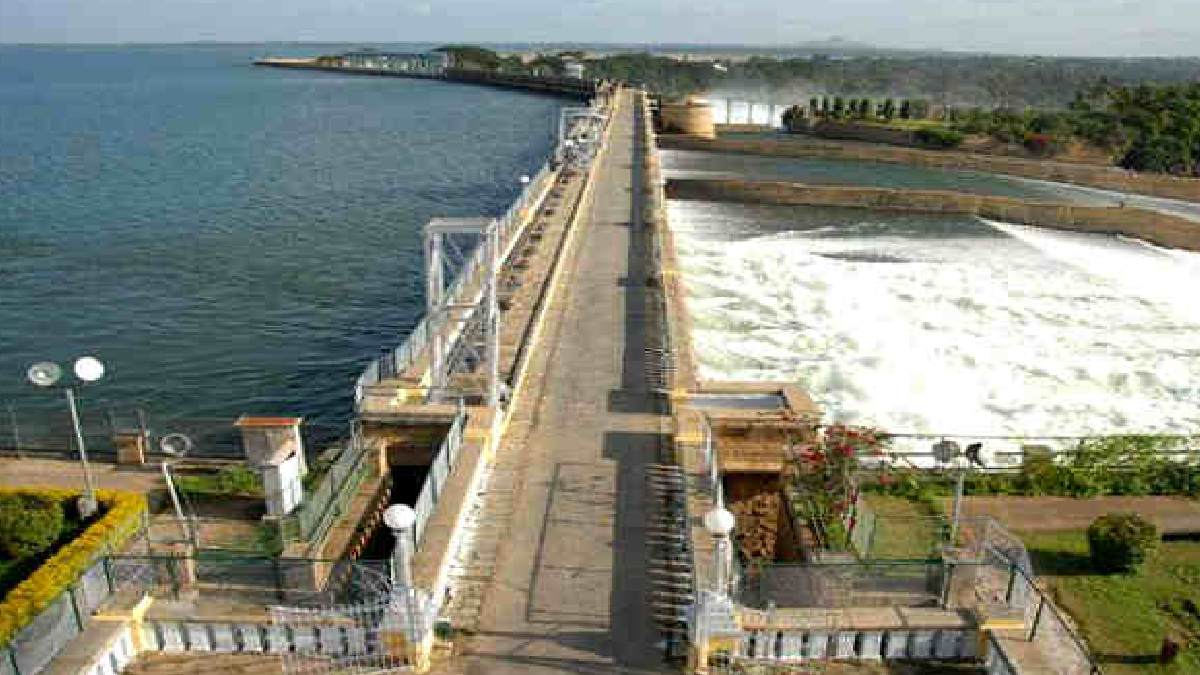
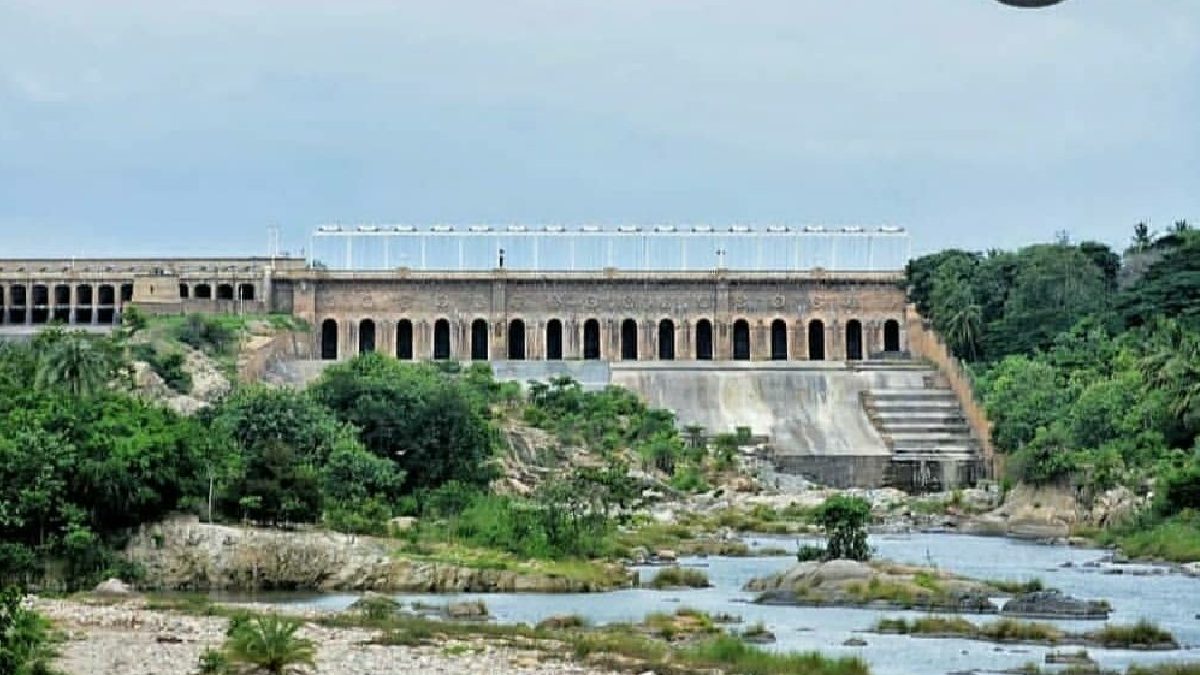
In June, the much-anticipated southwest monsoon failed to bring much rain to large portions of southern Karnataka, increasing fears of a water crisis in the Cauvery basin. The alarming decline in water levels of Krishna Raja Sagara (KRS) and Kabini reservoirs has raised fears of a potential water crisis for millions of people in Mysuru, Mandya and Bengaluru.
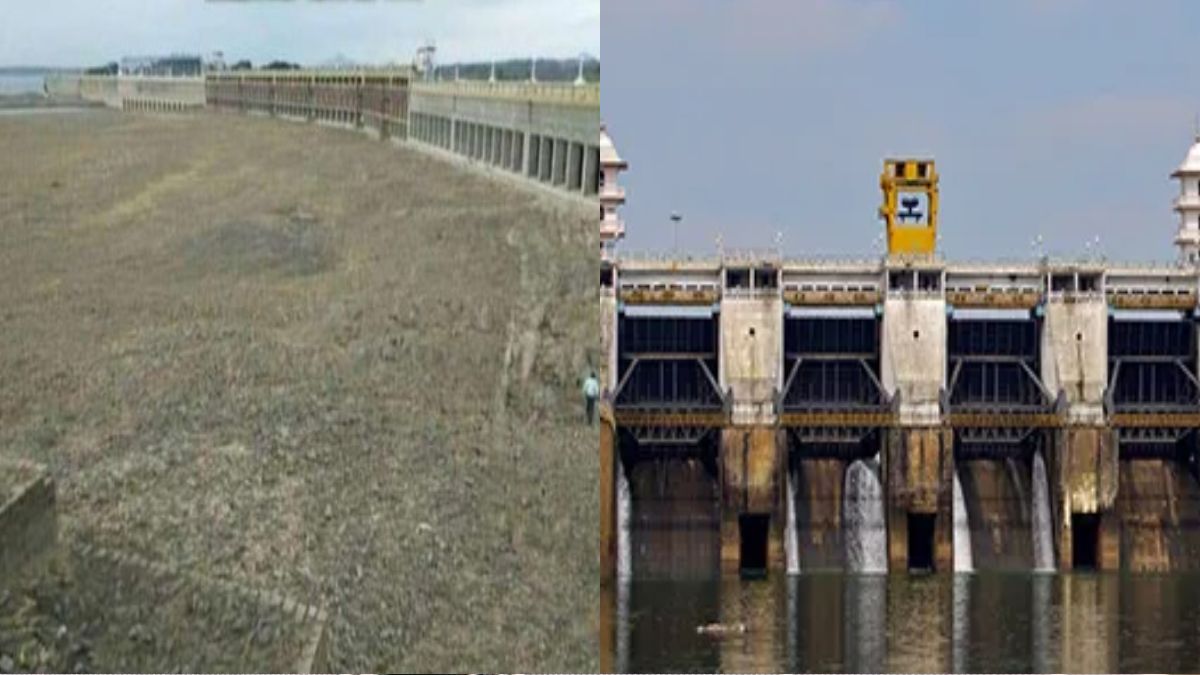
Traditionally, the reservoirs in the Cauvery basin start generating significant inflows by early June, and water levels continue to rise as monsoon rains intensify in catchment areas. But this year has been different. Rainfall has been below expectations in different parts of the country, and there is a shortage of sufficient storage in big reservoirs.
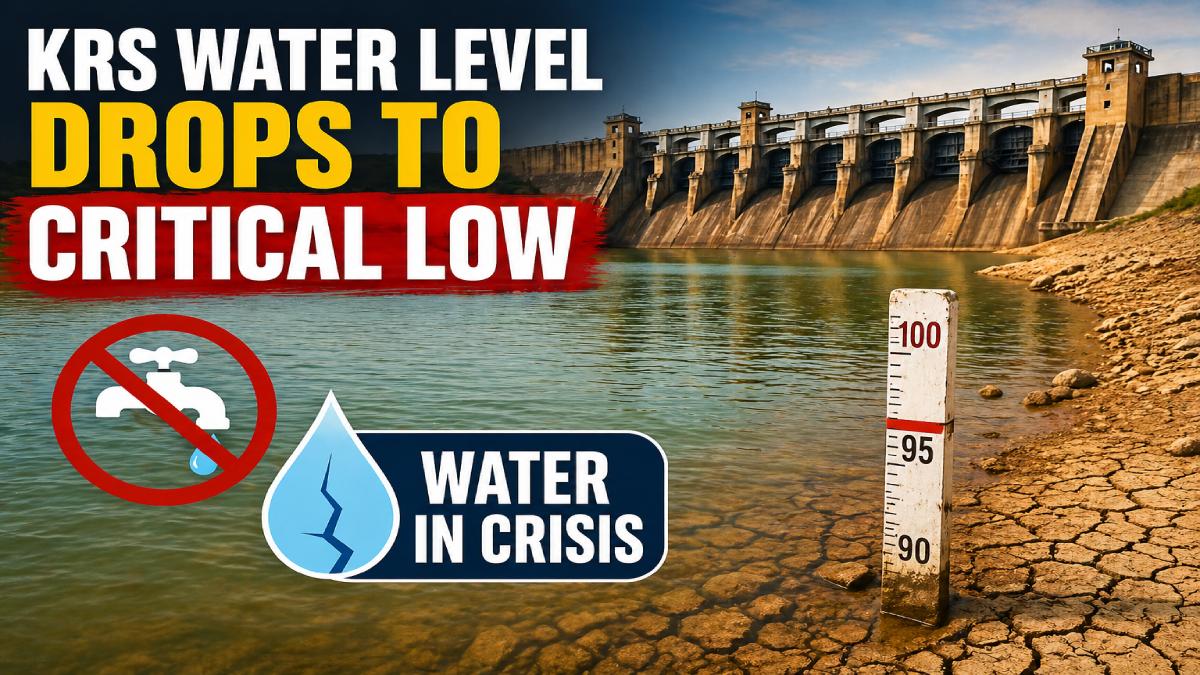
The Krishna Raja Sagara (KRS) reservoir is particularly alarming. The reservoir is vital for irrigation, drinking water supply and industrial needs, and the maximum storage capacity is 124.80 feet. Currently, the water level is only 80.90 feet, which is way below the normal level for this time of year.
In addition, the inflow into the reservoir is just 553 cusecs while the outflow is bigger at 989 cusecs due to unavoidable water requirements. With this in mind, more water is leaving the reservoir than entering it, which will result in an unsustainable situation if rainfall does not improve quickly.
The Kabini reservoir in H.D. Kote taluk is facing a similar challenge. One of the major contributors to the Cauvery river system, Kabini, depends heavily on rainfall in Kerala’s Wayanad region. But with monsoon activity still weak in Wayanad and other catchment areas, inflows into the reservoir have been low.
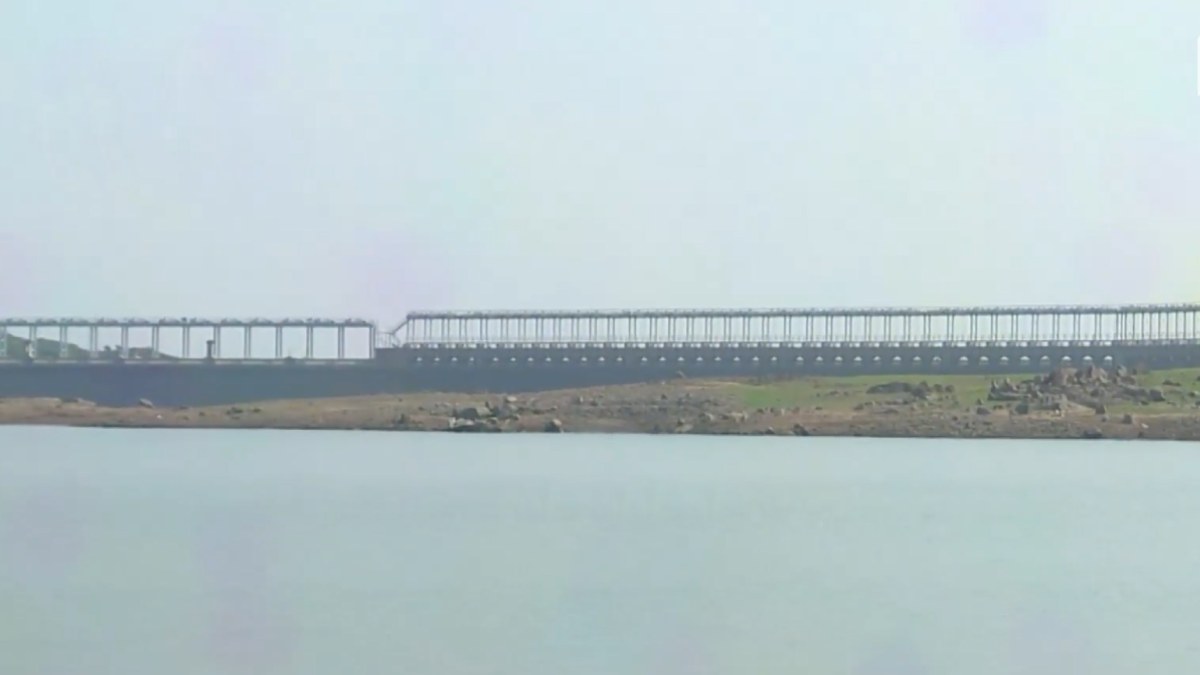
The reservoir's maximum water level is 2,284 feet, but right now it is only 2,253.15 feet. Experts are concerned that failing to receive rain further reduces storage, and this can affect the availability of future water for agriculture and domestic purposes.
The effects of the weak monsoon are already evident for farmers in the old Mysuru region. Agricultural activities depend on timely rainfall and reservoir releases. Late rains have disrupted sowing operations.
Water resource experts warn that, if rainfall doesn’t increase in the coastal and Malnad areas of Karnataka, where many rivers originate, the state could face serious challenges in the final months. Bengaluru, which depends on Cauvery water for drinking purposes, may also find itself in the position of being put under pressure if reservoir levels continue to fall.
The current situation has led to concerns among the population, farmers and policymakers alike. Weather forecasts call for more rainfall in the next couple of weeks, but water levels remain below what is expected, and water levels in reservoirs are not yet sufficient to be at a desired level of storage.
For now, all eyes are on the skies. A strong revival of the monsoon is needed to replenish KRS and Kabini and to keep drinking water in the area, agricultural production going and the water security of southern Karnataka. If no rain occurs in the coming weeks, the state is likely to suffer one of its hardest water shortages in recent years.