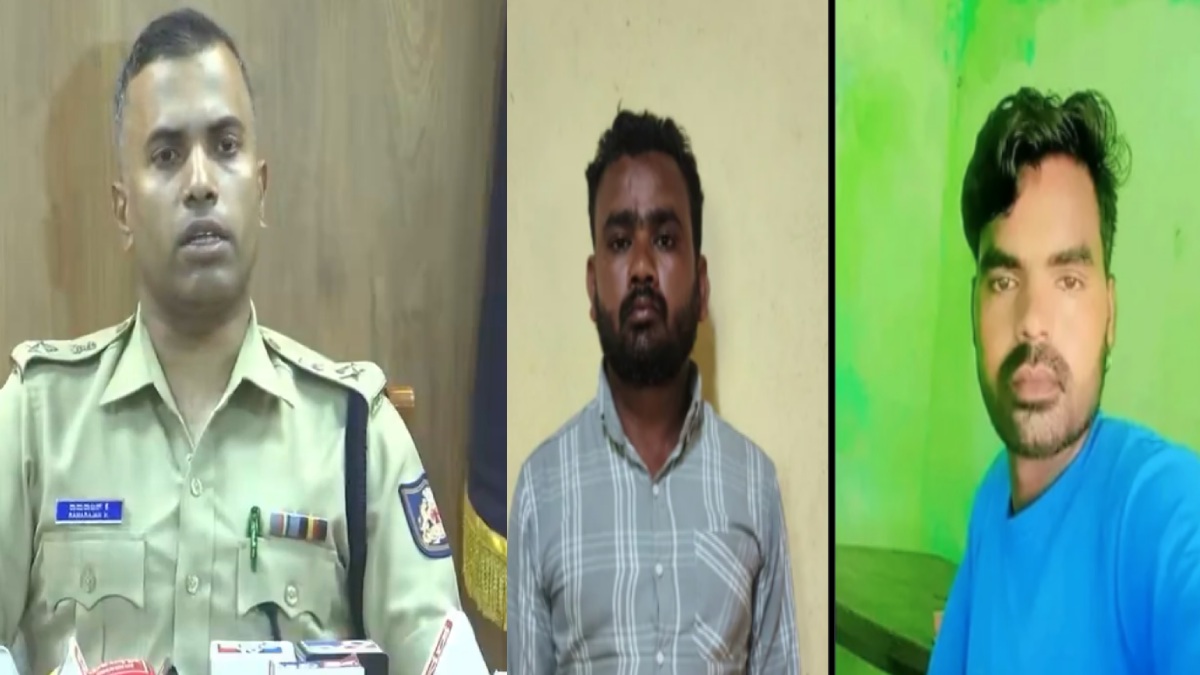
The reported attack on HESCOM staff in Kundgol due to long power cuts has raised serious concerns about the growing frustration among farmers who depend on a reliable electricity supply to irrigate.

Violence against electricity workers cannot be justified, but the incident highlights the challenges farmers face when power supply is interrupted for the sake of farming. The incident has brought into focus a larger question: who should be held accountable when inadequate electricity supply causes farmers financial losses and uncertainty?
Electricity for farmers is not just another public utility. Irrigation pumps depend on electricity, and regular power supply determines whether crops receive water at important times in the growing season. Unanticipated or long power cuts can disrupt irrigation schedules, especially when farmers lack a reliable way to water their fields. When crops are affected, the effects can extend beyond one day of power outage to the entire agricultural cycle.
The situation in Kundgol has therefore created concern among farmers who say that power shortages can create enormous pressure. Agriculture already has a number of uncertainties around rain and input prices, pest attacks, fluctuating market rates, and weather. An unreliable electricity supply is another problem for farmers whose irrigation systems depend heavily on electric pumps.
Farmers who are not able to work in irrigation will need to wait for electricity to be available if the irrigation is disrupted. In some cases, this can be difficult for farmers to adapt their daily lives to move from a daily routine and change their daily life around electricity supply. In the case of farmers working long hours, the uncertainty of when electricity will be available can contribute to considerable stress. The financial impact can become particularly serious if inadequate irrigation affects crop growth or results in lower yields.
At the same time, the reported assault on HESCOM personnel is a serious matter. Electricity workers are responsible for maintaining essential infrastructure and responding to faults, outages, and other complaints. Field workers are typically in difficult conditions and may not have a lot of power over the supply decision-making in general. Attacking employees would not solve the problem and would put workers at unnecessary risk.
The incident creates two separate but closely related issues: the safety of electricity workers and the responsibility of authorities to address legitimate complaints about power supply. A sustainable solution should be to take both concerns seriously and not let frustration escalate into confrontations.
Hubli Electricity Supply Company Limited (HESCOM) is responsible for power supply in their service areas. However, power availability will be the result of many things, such as generation, transmission, distribution infrastructure, local faults, maintenance requirements, and government policies. Determining responsibility for a particular outage depends on the circumstances surrounding the disruption.
However, for farmers, the immediate concern is simple: they need reliable electricity when their crops require irrigation. Farmers often use information on scheduled power supply and outages to plan agricultural activities, but unexpected interruptions can make it difficult for farmers to plan. Clear communication from electricity authorities could help farmers plan their daily lives and prevent misunderstandings.
The government also has to ensure that the electricity policies in agriculture work. Electricity supply to agriculture has been a major policy problem in Karnataka since the state depends on irrigation for farming in many areas. Farmers expect the authorities to address infrastructure problems and implement electricity supply commitments announced in the past.
Kundgol’s episode shows how quickly dissatisfaction can escalate into conflict when communities feel their problems are not being taken care of. Rather than allowing farmers and field-level workers to clash, authorities should have better complaint-resolution mechanisms in place to prevent disputes between farmers and field-level staff and ensure that grievances are addressed in a formal manner.
Farmers who experience repeated outages need easy ways to report problems and get information about when things will be restored. Likewise, electricity employees need protection and support in order to do their jobs. Regular contact between local officials, HESCOM representatives, and farmer groups could help to identify recurrent issues and reduce the likelihood of confrontations.
The bigger picture is more important in times when crops require timely irrigation. A few hours of electricity at the wrong time might not always be sufficient for a reliable supply throughout the day; farmers rely on specific schedules to operate pumps. Authorities need to account for not only the total amount of electricity supplied but also the reliability and predictability of the service.
The incident should also prompt a wider discussion about rural electricity infrastructure. Better monitoring would mean the distribution networks would be upgraded, maintenance could be improved, technical failures reduced, and local response systems would better be put in place to avoid avoidable interruptions.
In the end, the reported assault shouldn’t be considered as an isolated instance of frustration with power supply, but neither should farmer grievances be used to justify violence. Both problems require a responsible response. Farmers need reliable electricity and clear answers to disruptions, and HESCOM employees need a safe working environment.
HESCOM staff being assaulted in Kundgol over power cuts is deeply concerning. But why are farmers pushed to such desperation?
— ಸನಾತನ (सनातन) (@sanatan_kannada) September 1, 2026
Power cuts mean failed irrigation, damaged crops, financial losses and sleepless nights for farmers.
Who is accountable the government, HESCOM, or both?… pic.twitter.com/a8W9XhmL2N
Now the question is whether the authorities will investigate the incident and also the reasons behind the reported power cuts in Kundgol. Farmers need more than assurances after crops have already been affected. They need transparency about supply schedules, timely communication during outages, and concrete steps to improve reliability.
So the Kundgol episode is an example of how electricity supply is so deeply linked to rural livelihoods. If power cuts affect irrigation, the impact can be felt on farms, families, and local economies. We need to work together with the government, HESCOM, farmers, and local administration to solve this problem. Accountability doesn’t just mean assigning blame; it means identifying failures, fixing them, and ensuring that farmers and electricity workers don’t get stuck in a cycle of frustration and confrontation again.