Maharashtra is set to transform its public transport and urban mobility ecosystem with the launch of 'Chhava Ride', a state-backed mobility platform that will be a replacement for private ride-hailing services like Ola and Uber. The platform is being launched by Maharashtra Deputy Chief Minister Eknath Shinde to connect various modes of transportation on a single digital platform.
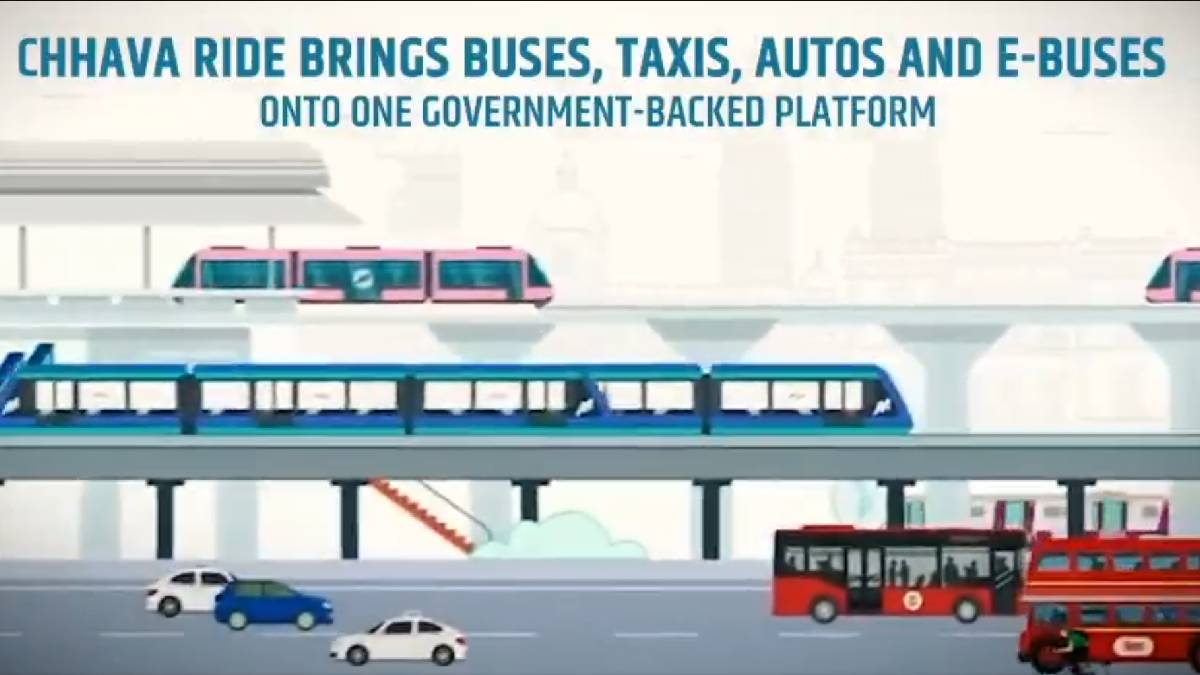
According to the details being circulated about the initiative, Chhava Ride will integrate MSRTC buses, taxis, autorickshaws and electric buses in one application. This platform will make transportation easier to access, and passengers will be able to see the price of their journey on the platform.
One of the most interesting features is a ₹5 platform fee and zero surge pricing. If used as it is announced, the pricing model could provide passengers with more certainty about what they will pay, especially at peak hours when traditional app-based cab services can increase fares significantly.
One App for Multiple Modes of Transport
Chhava Ride’s biggest concept is that it is seeking to bring together different kinds of public and private mobility through a common digital interface.
It will have buses, taxis, autos and e-buses, and all will be allowed to go on the platform; the mode of travel can be chosen by commuters based on where they are going, budget and travel mode.
A state with a huge urban population and large daily commuting needs, combining different forms of transportation in one application could simplify the travel experience.
As such, the initiative is also focused on the Maharashtra State Road Transport Corporation (MSRTC), which has an extensive bus network in the state.
The estimates of the project are about 14,000 MSRTC buses and about 60 lakh daily commuters. Integrating such a massive public transport network into the digital mobility ecosystem will significantly expand the reach of app-based transport services.
🚨 BREAKING: Maharashtra launches ‘Chhava Ride’, a state-backed mobility alternative to Ola and Uber under DCM Eknath Shinde’s leadership.
— Megh Updates 🚨™ (@MeghUpdates) August 24, 2026
🚖 ST buses, taxis, autos & e-buses on one app
💸 ₹5 platform fee, ZERO surge pricing
🚌 14,000+ MSRTC buses & 60 lakh daily commuters
📍… pic.twitter.com/hZvQwdCSGh
₹5 Platform fee and no surge pricing
The pricing model is likely to be one of the most closely watched aspects of Chhava Ride.
The platform is being promoted with a ₹5 platform fee, and the service promises zero surge pricing. Surge pricing has long been a point of discussion among ride-hailing users, particularly when demand increases during office hours, rain, festivals, major events, or late-night travel.
A no-surge model could make fares more predictable for commuters.
But the long-term sustainability of such a pricing structure will depend on how drivers, operators and the platform itself will be compensated. All of these things are going to be measured in terms of how affordable fares for passengers are to be paid while drivers and operators can be compensated.
GPS Tracking and Verified Vehicles
Chhava Ride is also expected to have a passenger safety and transparency focus.
For a platform like this, there is live GPS tracking, allowing users to track their journey in real time. Vehicle verification is another feature that could help passengers find authorised vehicles before starting their journey.
A quick grievance redressal mechanism is also being promoted as part of the platform.
An effective complaint resolution could become an important differentiator in such a fiercely competitive mobility industry. Passengers frequently need clear mechanisms to report issues involving fares, drivers, vehicles, cancellations or safety.
Chhava Ride may offer commuters a more structured way of dealing with complaints by providing a state-backed grievance mechanism.
Potential Challenge to Ola and Uber
Hence, the launch puts Maharashtra among jurisdictions that are exploring alternatives to traditional private ride-hailing platforms.
Ola and Uber are deeply integrated into urban transportation in India, especially in major cities. But some of the issues, like surge pricing, driver commissions, cancellations and fare transparency, have increasingly made passengers and drivers unhappy.
Another state-backed alternative might provide other competition in the sector. A state-backed alternative would also create more competition to the existing industry.
Chhava Ride’s success, however, will depend on more than just a simple application. The platform will be dependent on a large and active driver network, reliable technology, quick customer support, and strong passenger adoption.
The integration of thousands of buses could provide an important advantage by giving the platform a built-in transportation network that purely private ride-hailing applications do not have.
Maharashtra's Digital Mobility Push
But this is also in line with a larger trend towards technology-driven public transportation.
Mobile applications are now the main interface between commuters and transport services. Real-time tracking, digital payments, electronic tickets and automated route information are now common expectations among urban passengers.
Chhava Ride appears to be based on this changing behaviour, bringing together multiple transportation options but with a strong public-sector component.
If the platform is successful, then it might serve as a model for other Indian states to integrate government-run transport with app-based mobility.
When it comes to millions of commuters, convenience could ultimately become the biggest attraction. Instead of having different platforms for buses, autos and taxis, passengers would be able to find multiple options in one application.
What comes next?
The launch of Chhava Ride is an ambitious move to create a state-backed alternative in India’s rapidly evolving mobility market.
The combination of ₹5 platform fees, zero surge pricing, live GPS tracking, verified vehicles and grievance redressal is aimed at addressing some common concerns associated with app-based transportation.
With more than 14,000 MSRTC buses and a claimed 60 lakh daily commuter base, the platform also has the potential to operate at considerable scale.
The immediate challenge is to make the infrastructure and features a reliable everyday service. Passenger adoption, driver involvement, app reliability, availability of services, and financial viability will determine if Chhava Ride can become a genuine competitor in Maharashtra's mobility market.
As one of the other major transportation platforms, the advent of another public transportation platform could be more flexible and more predictable for commuters.
If the project lives up to its promises, Chhava Ride could become a major new player in Maharashtra’s public and private mobility ecosystem and be a unique state-backed alternative to established ride-hailing platforms.