The Supreme Court hearing of Noida District Magistrate Medha Roopam has revived a debate over case listing and transparency as a lawyers' body questioned why her plea was taken up by a single court and why the audio of the virtual hearing was muted. The controversy has attracted attention because Roopam is the daughter of Chief Election Commissioner Gyanesh Kumar.
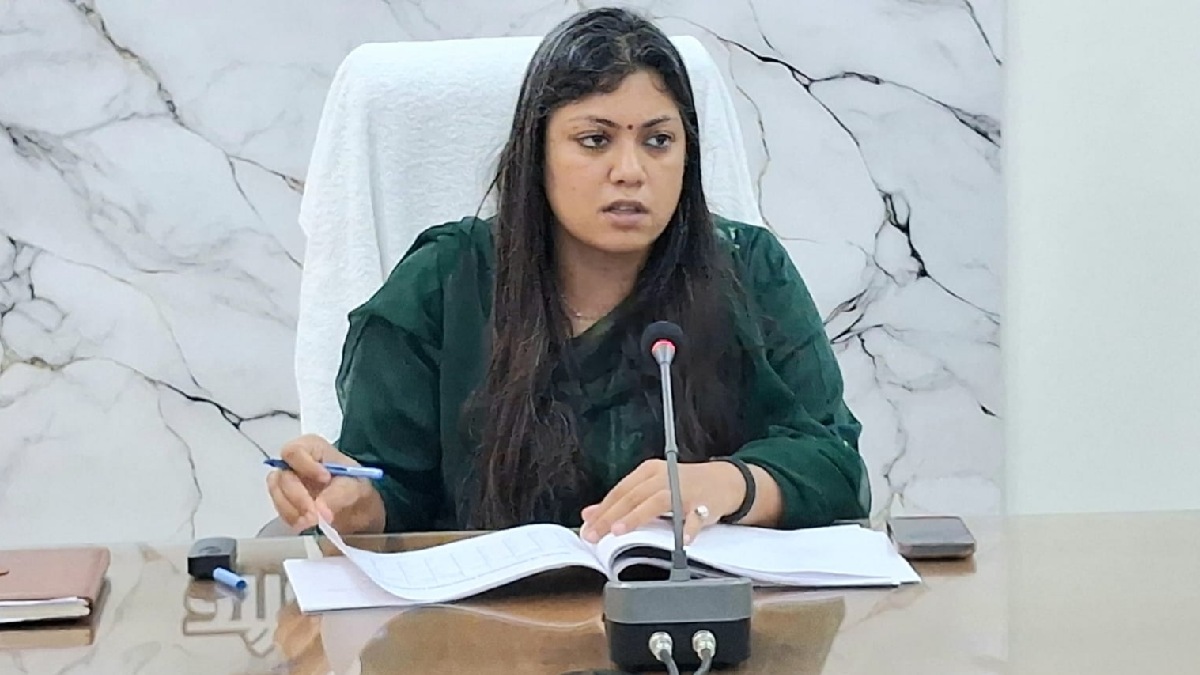
The Lawyers Association for Constitution (LAFC) has written to Chief Justice of India Surya Kant in question about Roopam’s challenge to an Allahabad High Court order before the Supreme Court. The case, according to the LAFC, was not in that list and was instead before a bench that dealt with preventive detention in relation to the Noida workers’ protest.
The lawyers' body also raised concern about the disruption of the proceedings at the September 23 hearing. Since virtual court proceedings are a way for journalists and the public that cannot be physically present in the courtroom, the association felt the muting of the feed was in question of transparency. The LAFC has asked the CJI to investigate the two aspects of the case and has said the situation in the hearing might upset public trust in the courts.
The case itself stems from the detention of Delhi University student and activist Akriti Chaudhary under the National Security Act. Chaudhary was arrested for the industrial workers' protests in Noida in April. So on September 2, the Allahabad High Court quashed her detention and ordered she receive compensation of Rs 5 lakh. It also directed that the compensation be recovered from the salaries of officials, including Medha Roopam involved in the detention.
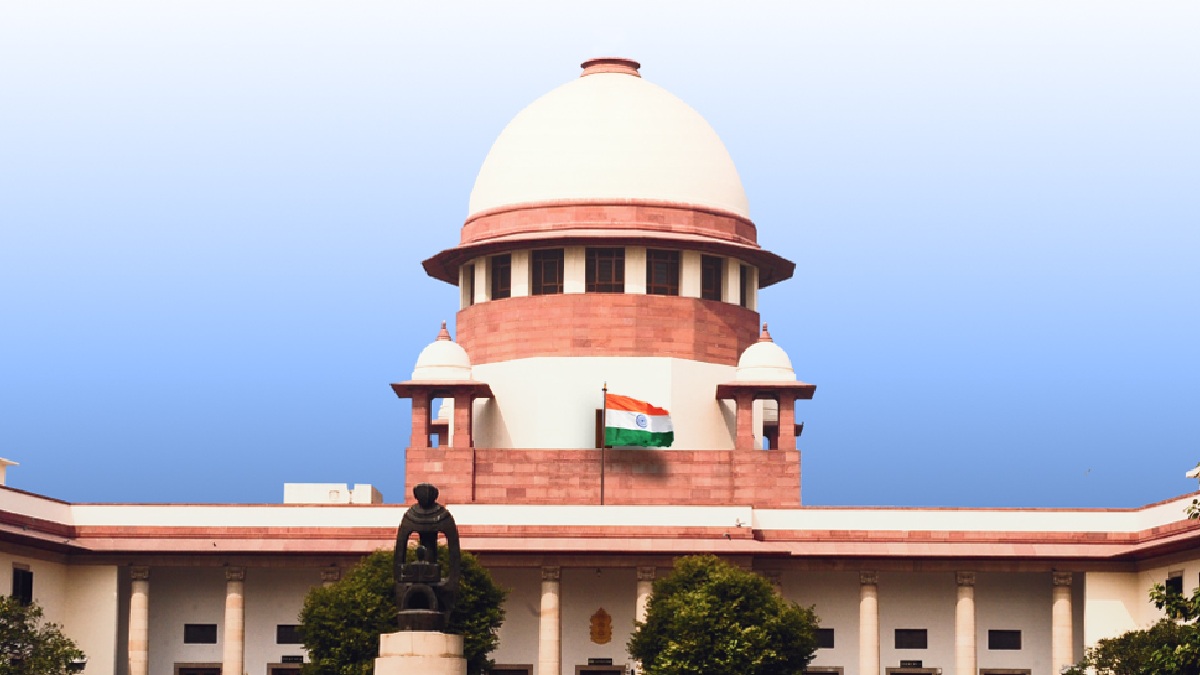
Roopam subsequently approached the Supreme Court to contest the High Court's decision. During the September 23 hearing, Solicitor General Tushar Mehta appeared for Roopam and senior advocate Mukul Rohatgi for the Uttar Pradesh government. The Supreme Court granted an interim stay on the adverse observations against Roopam and on the direction to recover her compensation from her salary. However, the stay did not overturn the Allahabad High Court's decision to quash Chaudhary's detention under the NSA. The Supreme Court later explained the scope of its order.
The listing issue has become particularly sensitive because Roopam is the daughter of CEC Gyanesh Kumar. The LAFC has referred to this relationship while searching for an explanation for the case’s listing. The association has not challenged the merits of the Supreme Court’s interim relief but has instead focused on the procedural circumstances surrounding the hearing and the muted proceedings.
The issue has also been discussed by Saurav Das, youth-led Cockroach Janta Party (CJP) spokesperson. In a post on X, Das linked the Medha Roopam case with developments in the Election Commission and Justice Satish Chandra Sharma. Das questioned the listing of the case and the quietness of the proceedings. The statements are allegations as opposed to political analysis and not findings by the court.
Justice Sharma was also part of another significant Supreme Court hearing on September 23 on the law of appointment of Chief Election Commissioner and Election Commissioners. Justices Dipankar Datta and Satish Chandra Sharma had different views regarding whether challenges to the 2023 appointment law should be considered by at least one additional Constitution Bench. Both judges ultimately agreed that the matter should be referred to CJI Surya Kant for consideration.
The 2023 law replaced the Chief Justice of India on the three-member selection panel with a Union Cabinet minister nominated by the Prime Minister. Justice Datta and Justice Sharma were in differing positions regarding whether the constitutional questions raised by the petitions did not require a larger bench. The development has brought into question the structure and independence of the Election Commission's appointment mechanism.
The Medha Roopam case has gained considerable attention in recent months also because of the connection between the Noida DM and the present CEC. But the allegations of special treatment, case listing or judicial conduct remain a subject of debate by the lawyers’ body and commentators. The Supreme Court's orders in the underlying detention case, however, have been focused on the High Court’s observations and compensation direction and do not rest on Chaudhary’s NSA detention.
The LAFC’s letter has now placed the questions of listing and muted proceedings before the Chief Justice of India. Any further clarification or administrative response from the Supreme Court could determine how the concerns raised over the handling of the matter are addressed.