For Bengaluru’s people, the growing geopolitical tension in the Middle East goes from an abstract headline in the news to a serious one in the news of the day. The continuing war between Israel and Iran is starting to drag a long shadow over the city’s bustling markets, particularly affecting the availability and cost of fine dry fruits. As a leading importer of Iranian produce, Bengaluru is experiencing an increase in costs that could impact household budgets, just as the holy month of Ramadan approaches.
Dependence on the Iranian Pipeline
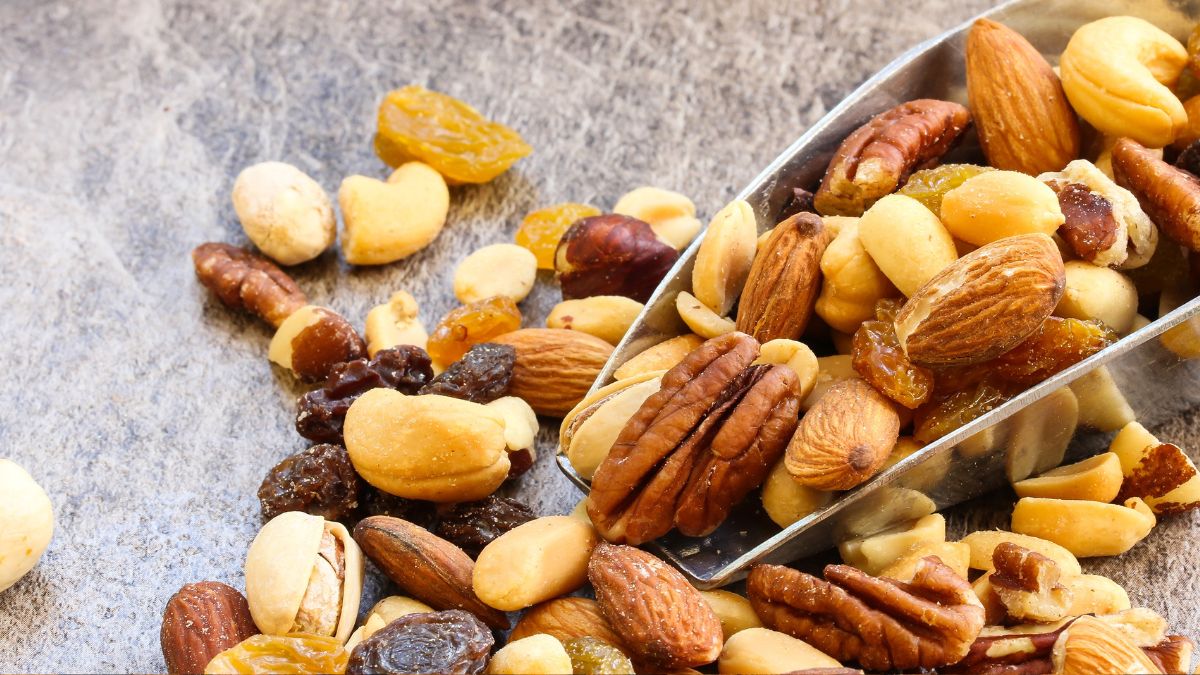
As we know, the markets of Bengaluru are primarily dependent on imports from Iran, and specifically Russell Market in Shivajinagar and wholesale lanes of VV Puram. The “Persian Pipeline” provides the city with demand-driven products such as Anjeer (Figs), Mamra Almonds, Pistachios (Pista), Pine Nuts and the exotic Mazafati Dates.
Local traders say that although certain stocks are traded over Dubai, the heart of the supply chain is Iranian orchards. As the port operations in the Gulf have grown more unstable and shipping lanes subjected to security threats, the passage of these goods has slowed significantly.
Price Hikes and Supply Alarms
The effect is already showing on the price tags across the city. Mohammed Idrees Choudhury, general secretary of the Russell Market Fruit and Dry Fruit Traders Association and the head of the association for this release says Mazafati dates, are especially popular during Ramadan.
Though usually retailing at around ₹300 per kg, this uncertainty is starting to tighten up all of season’s necessities. The price of Pistachios has already soared ₹200 per kg as a result of minimal current inventory and high demand explained Abdul Hamid from KH Mewa, Shivajinagar. Iranian Pista currently sells for ₹1,800 to ₹2,100 per kg. There are other luxury items doing so too:

- Anjeer (Figs): Around ₹1,600 per kg.
- Mamra Almonds: Selling for ₹2,500 per kg.
- Pine Nuts (Chilgoza): Packed at ₹8,000 per kg.
The “Saffron” Leap
The most massive increase, probably, happens in the Iranian Saffron, considered the finest in the world. Today, it runs between ₹2.5 lakh and ₹3 lakh a kg and if the conflict continues, the price of that crop has been forecast to reach ₹4 lakh per kg in two weeks. The disruption isn’t confined to dry fruits; key spices such as nutmeg, cinnamon, and star anise, all of which frequently traverse the same trade routes from Iran and Afghanistan, are similarly subject to supply chain disruptions.
The Ramadan Cushion
There is a small bright spot for consumers the short term. Many big wholesalers in Bengaluru normally stock up months in advance for the festival season. Traders estimate there is enough “buffer stock” available to sustain the city during Eid-ul-Fitr. Yet the warning is unequivocal from the commercial community: If the status quo, like a war, lasts on past the next month, the shortage will become “serious.” A prolonged war would not only drain current reserves but then make future imports unmanageably expensive amid surging insurance and freight costs in the Middle East.
Beyond the Market
It demonstrates the sensitivity of local consumption to global geopolitical developments. As the city gears up for the holiday season, shoppers are being warned to brace for tighter supplies and buy their products earlier than the full temperatures of the regional conflict would reflect on the store shelves.