Milk consumers in Mumbai are going to face another big price shock just before the festive season. The wholesale price of fresh buffalo milk, which is commonly distributed via local tabela networks, will increase by Rs 9 per litre from September 1, 2026, to Rs 102 per litre. The Mumbai Milk Producers Association has raised the rate from the current Rs 93 per litre to Rs 102 per litre, marking the sharpest single-step increase in recent years.
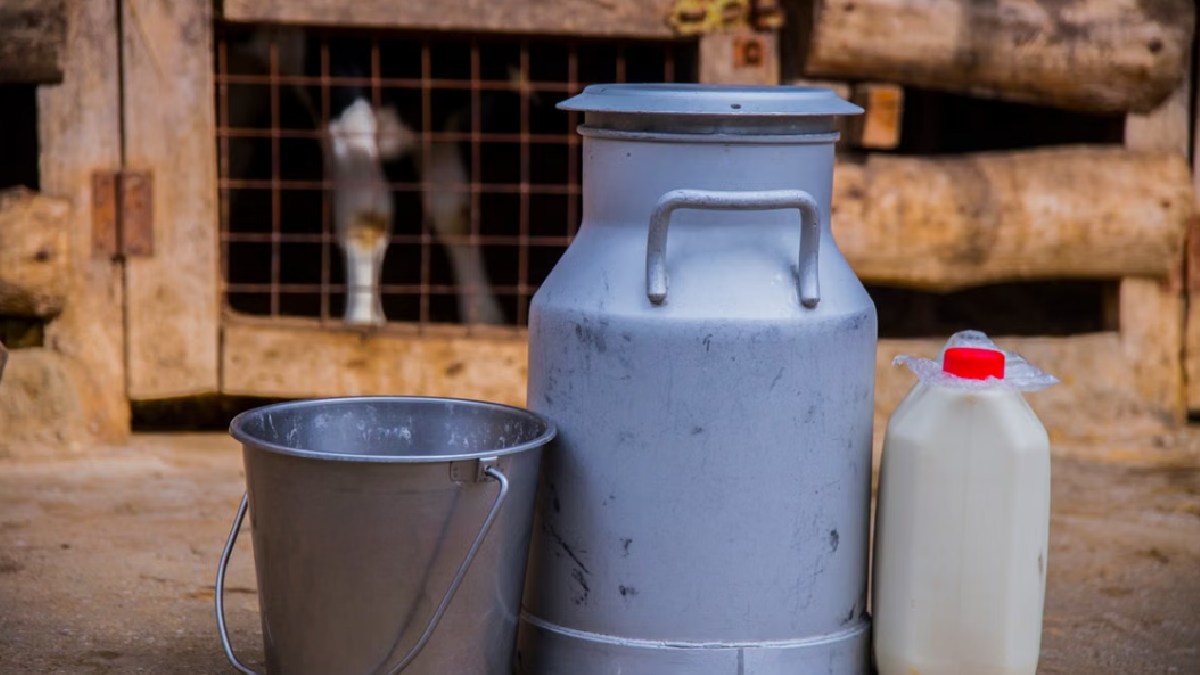
The price will be set from September 1 and will be in place until February 28, 2027, and then the rate will be updated. Milk producers decided to raise the price because dairy costs were climbing and milk producers were facing increasing costs.
Where will the new milk rates apply?
The immediate effects of the price change will be felt in Mumbai and its neighbouring metropolitan milk supply networks. The association's price increase affects wholesale buffalo milk supplied by local producers and tabela operators. The new wholesale benchmark is Rs 102 per litre, compared with Rs 93 so far.
But consumers should note that the announced Rs 102 rate is a wholesale price. The price customers pay at retail outlets, neighbourhood dairies, or doorstep suppliers can vary from seller to buyer and distribution costs. So it would not be accurate to say that every milk packet or every milk brand in Mumbai will become Rs 9 more expensive after September 1.
Why does milk cost so much more money?
Milk producers have cited a broad increase in the cost of keeping dairy animals and purchasing cattle feed and fodder. Prices of several key feed ingredients have risen significantly, with some items in the range of 25 per cent or more.
Grains, tur chuni, chana chuni, oil cakes, and other feed-related inputs are among the cost pressures. The cost of green fodder and other essential ingredients for maintaining cattle have also cost more money. Farmers say that moving milk around and selling milk at the old wholesale price has become more difficult because of these higher operating costs.
The association has thus justified the recent increase as necessary to provide some relief to milk producers struggling with the increased production and maintenance costs. The decision was apparently made by members of the producers' association.
How much will consumers pay?
Under the new wholesale rate, the price will go up from Rs 93 to Rs 102 per litre. That is a 9.7 percent increase from the current rate at Rs 93 and up to Rs 102 per litre.
A one-litre increase of Rs 9 per litre in milk every day will translate into an additional Rs 270 per month for a household purchasing one litre daily; a total of Rs 270 would be a 30-day increase. For families using two litres daily, they could see an extra monthly cost in the range of Rs 540, but the pricing at the supplier will depend at the retail level.
The increase could have a greater impact because milk is a key ingredient for many food businesses. Bakeries, restaurants, tea shops, sweet shops, and dairy product manufacturers will face higher procurement costs if the increase in sales is passed through the supply chain. That could eventually affect the price of curd, paneer, sweets, and other milk-based products.
Why the Timing Matters
The price hike occurs before the festive period when milk and dairy products are generally in demand. Festivals can trigger more consumption of milk, sweets, paneer, ghee, and other dairy-based products. Thus, the price rise in fresh milk could put additional pressure on household budgets as consumers get ready for more festive spending.
For families who buy loose or fresh buffalo milk from local suppliers, the change could be particularly noticeable. Depending on the locality, supplier, and distribution channel, consumers will also see different retail prices.
Is this a nationwide milk price hike?
No. The Rs 9 increase reported from September 1 is specifically linked to the wholesale price of fresh buffalo milk supplied through the Mumbai producers' network. It should not be interpreted as a nationwide Rs 9 increase across all milk brands and states.
Packaged milk prices offered by major dairy companies are subject to their own pricing decisions and may differ from local tabela milk rates. Similarly, milk prices in other cities and states can vary depending on local production, transportation, feed costs, and dairy company policies.
But the Mumbai development indicates that dairy producers have not escaped the pressure of rising input costs. Milk prices have already changed in various parts of India in 2026, and consumers are now worried about household food costs.
What consumers should check from September 1
From September 1 onwards, consumers buying fresh milk in Mumbai should check the revised price with their local supplier. Since the Rs 102 figure is the announced wholesale rate, the final retail price can differ.
Families can also compare prices between local dairies and packaged milk brands before making a regular purchase. Buying large quantities will require one to calculate the monthly impact of the increase and adjust their household budgets accordingly.
The association's revised rate will continue until February 28, 2027. Then, the price will be reviewed, so the current increase is not necessarily the final word on milk prices in the city.
The September 1 milk price hike is going to put more pressure on Mumbai households, especially those dependent on fresh buffalo milk. As the wholesale price goes from Rs 93 to Rs 102 per litre, the impact on daily milk costs is also likely to be felt by the customers of other dairy products as well.