A former Union Human Resource Development Minister and veteran BJP leader Murli Manohar Joshi called for empathy and dialogue to be the first to be had in the face of student protests as a first step to dialogue rather than force to end the student protests, saying genuine demands should be heard and not force should be taken.
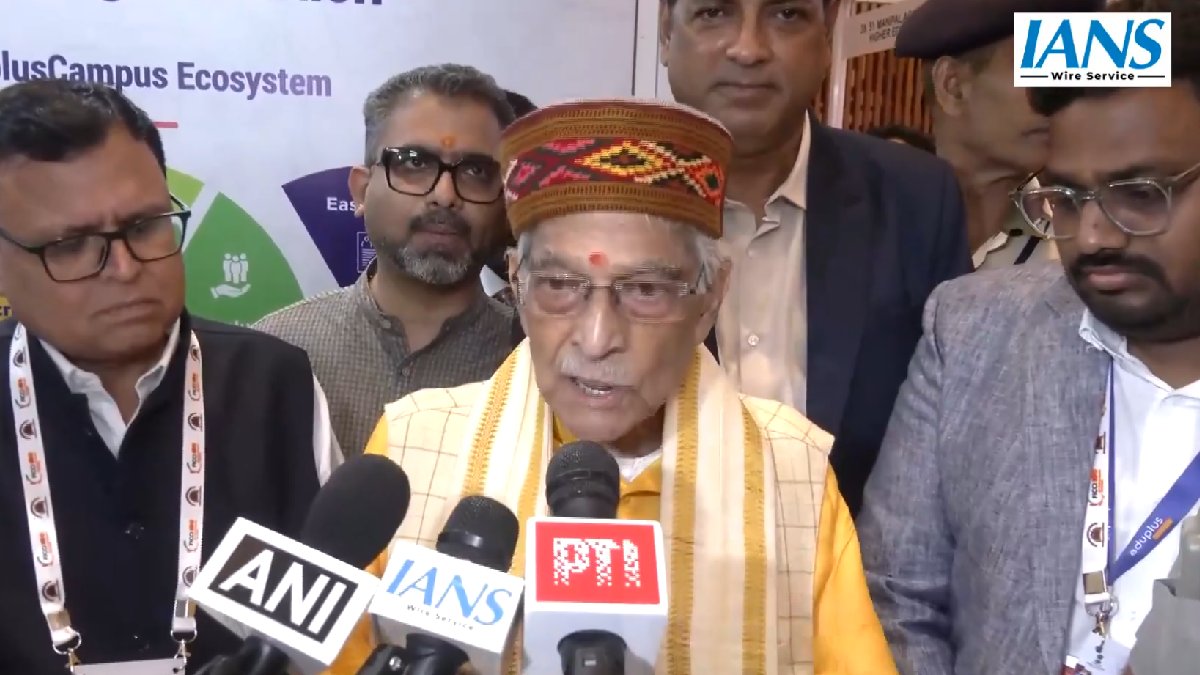
Speaking to reporters on the sidelines of the 21st FICCI Higher Education Summit in New Delhi, Joshi said students should be treated with the same understanding that a family would show to its children.
Joshi specifically criticized the use of batons during student demonstrations. He said reasonable or legitimate demands raised by students should be taken sympathetically and that the use of force does not solve their problems. His comments come as student protests persist and for the education, examination system and handling of demonstrations are in debate.
Murli Manohar Joshi Calls Students ‘Our Children’
In explaining his position, Joshi compared the relationship between authorities and protesting students to that between parents and their children. When a child makes a complaint the appropriate response is to understand the concern, explain the circumstances and work towards a solution rather than simply drive the child away.
Using the analogy, Joshi said students are “our children” and must also be addressed in a dialogue and understanding. His comments were more focused on the deeper concerns behind protests than on treating demonstrations as a law-and-order issue.
The veteran BJP leader’s remarks also reflect his previous interventions on student protests. In July, during protests over the examination system and NEET question-paper controversy, Joshi had said students’ anxieties were genuine and should be addressed with empathy. He had also expressed concern about using force against young protesters.
Delhi: Senior BJP leader Padma Vibhushan Dr. Murli Manohar Joshi says, “Look, the matter of protests is separate. The legitimate demands of students should always be heard and should be heard with a great deal of sympathy. This method of using batons is not appropriate. You can never find a solution this way. If there are problems, listen to them. They are our children..."
— IANS (@ians_india) October 8, 2026
Joshi Says NEP 2020 Assessment Is Still Premature
Joshi was also asked about the National Education Policy, or NEP 2020, by reporters. "It's too early to make a fair assessment of the policy because its implementation is still going on," he said.
Joshi told us that NEP 2020 is not in operation for a sufficient time to determine its full results. He said that the consequences and effectiveness of the policy would become clear only after more time has passed and its various provisions have been implemented.
The comments come at a time when education policy continues to be an issue for students, universities, teachers and policymakers. NEP 2020 has already had a positive impact on school curriculum, multidisciplinary learning and institutional change in higher education.
Earlier Support For Students In NEET Protests
Joshi had also made similar appeals to restraint during the student protest over NEET examination controversy earlier this year. He said it was painful to see young students from different parts of the country protesting in New Delhi, and felt that examination system criticism should be addressed with empathy and a search for a permanent solution.
He had also said that such protests should not be considered as just law-and-order issues requiring force. He spoke as student groups protested that were also about allegations and concerns about the examination system.
In July after then education minister Dharmendra Pradhan resigned due to the controversy, Joshi welcomed the peaceful conclusion of the student agitation and congratulated the students for their movements.
Wider Debate Over Student Protests
Joshi’s comments come at a time when student protests and youth-led demonstrations are central to public debate. Education-related concerns, examination systems, recruitment systems, recruitment and institutional policies can lead to protests when students feel that their grievances have not been adequately addressed.
The former minister’s words illustrate the distinction between managing a demonstration and addressing the concerns that prompted it. It is the authorities’ job to keep public order and safety in order and yet Joshi has argued that legitimate student demands need engagement and sympathy.
His intervention also shows how the government and institutions can react to young protesters and how the younger generations are being educated. His emphasis on students should be part of the process; dialogue, communication and resolution of grievances are also part of it.
Students’ response to authorities can influence how they view the educational institutions and government bodies. It is Joshi’s case that, in order to avoid disputes from boiling over, we should listen to those who make arguments and find solutions.
As education policy, exams and student grievances continue to surface, Joshi’s plea for empathy adds another voice to protests’ discussion. His words are one of dialogue and conversation, not force, and argue for legitimate concerns to be met through participation and for long-term solutions to be found.