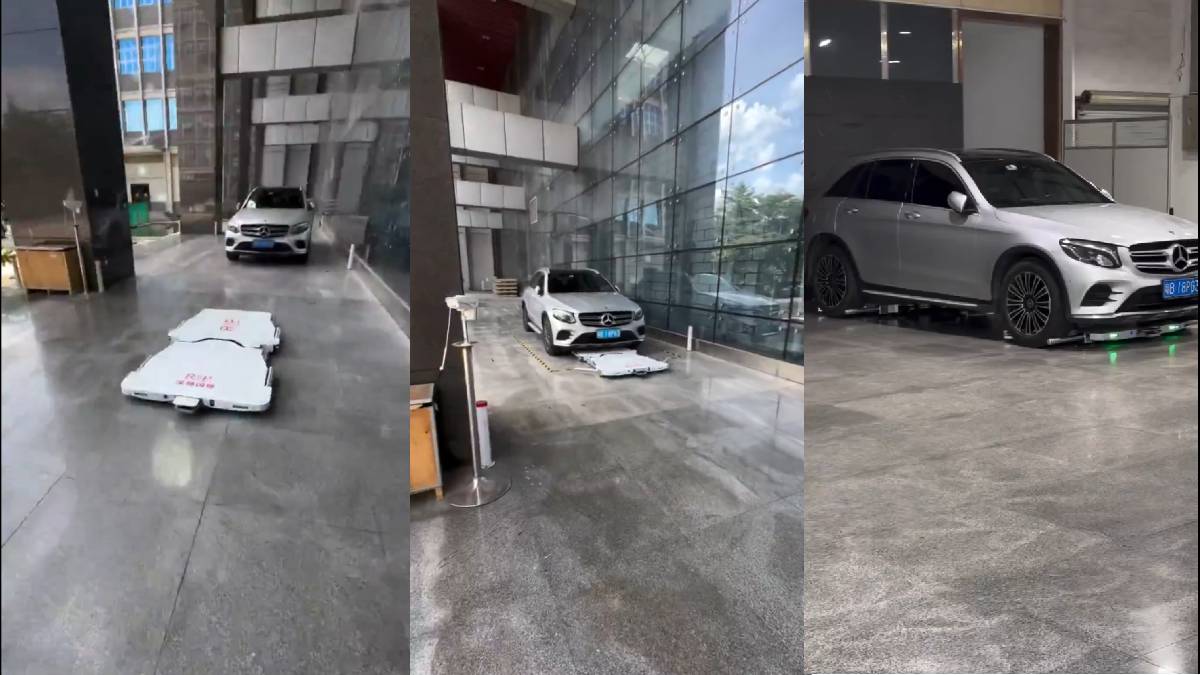
A popular dhaba in Murthal, Sonipat, introduced a futuristic touch to the traditional roadside dining experience by introducing a robot waiter to deliver food directly to customers’ tables.
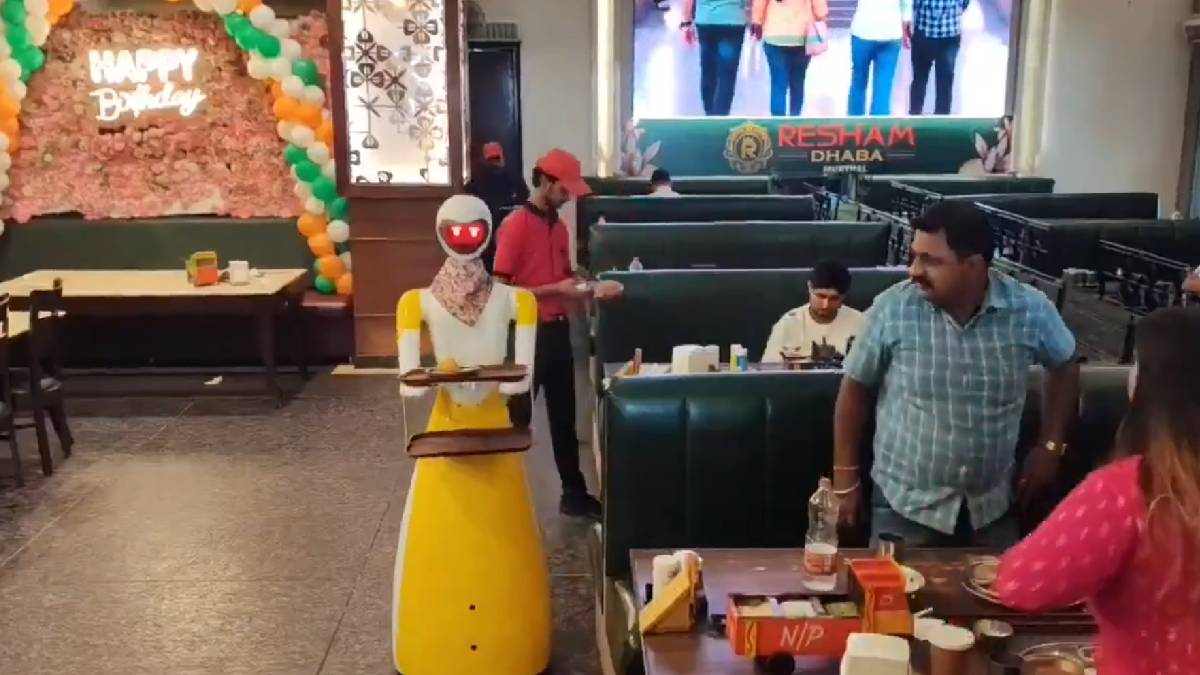
Murthal, known for its famous North Indian food and especially its parathas, is also one of the most popular food destinations for Delhi-NCR travellers. But a recent technology upgrade at a dhaba is now catching our attention for a completely different reason. Instead of having human workers carry food from the kitchen to the guests, the establishment has brought in a robotic waiter to do some of the work.
The robot is designed to carry prepared food to the tables. It takes orders across the dining area and brings them to the customers when they order them from the kitchen. It’s an unusual mix of dhaba culture and present-day restaurant technology.
The experience can be entertaining and convenient for the customer. They have a robot moving between tables for consumers. What customers would have seen were waiters carrying trays of hot food from table service (which are now the same waiters with trays of hot food in front of them), but now, a robot moving around tables is also a robot moving between tables instead of waiting for tables. So customers are now in the restaurant to see the robot moving in and out of the room with it as the customer is now able to see a robot moving among restaurant staff.
🚨Murthal dhaba in Sonipat gets a robot waiter who deliveres food directly to customers' tables after orders were prepared. pic.twitter.com/Zj2QvIACNT
— Indian Infra Report (@Indianinfoguide) August 17, 2026
The introduction of robotic assistance shows how automation is slowly entering India’s food and hospitality industry. Restaurants, hotels, cafes, and other food-service establishments increasingly experiment with technology to create their best customer service.
Robot waiters are essentially employed to do repetitive tasks—carrying food, transporting dishes, and helping with basic table service. Robots can do those things, which could reduce human staff from having to take orders, communicate with customers, help with tables, and personalize service.
So the Murthal development is particularly interesting as dhabas are traditionally associated with a simple and familiar dining environment. The introduction of a robot into such a setting creates a striking contrast between the traditional food culture of Haryana and modern automation.
Murthal is also popular and has made all that development visible. On the National Highway connecting Delhi and Chandigarh, it is known for many roadside restaurants and dhabas. It is a common stop for travellers to eat, particularly parathas, curd, vegetables, and other North Indian food.
A robot waiter could become more than a technology experiment. For a busy restaurant, automated food delivery may help to curb high customer volumes during peak times. It can also be a draw for customers to come in to see the place.
Robotic waiters will not replace human workers to anything more than a certain extent in restaurants anytime soon. Food service is much more than the delivery of food: taking customer requests, fulfilling special requirements, hearing complaints, maintaining hygiene, and ensuring a pleasant dining experience all need human interaction.
Instead, robots are increasingly seen as support tools that can work alongside restaurant employees. They can do repetitive and predictable work, and human workers can still deal with customer-facing tasks.
The Murthal robot waiter is also part of the larger trend in which technology is a part of everyday life in India. And technology in India is changing the way people interact with businesses, from automated ordering systems and digital payments to smart kitchens and delivery robots.
But for people visiting Murthal, the main attraction remains the food. The robot can deliver the meal, but the traditional flavours and dining culture that have made the area famous are still the main reason people stop there.
A robot delivering food to customers’ tables provides a glimpse of how India's hospitality sector could grow. In a region that is typically known for roadside dining and hearty meals, technology has now taken a seat at the table.