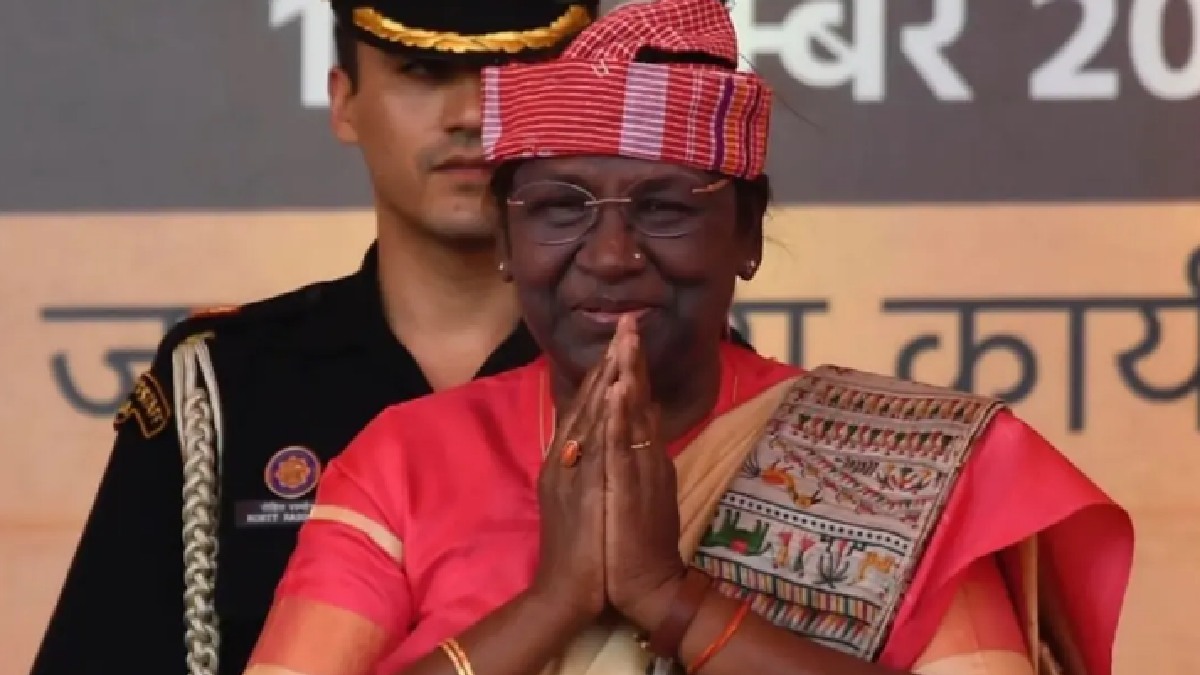
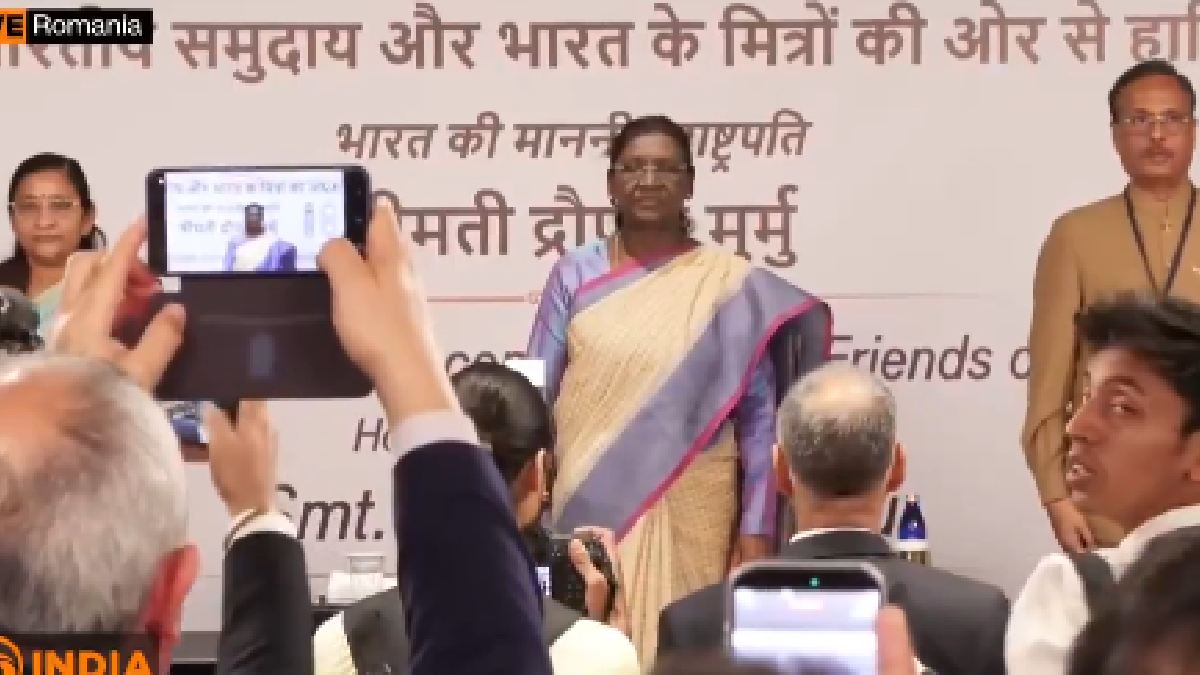
President Droupadi Murmu was among the participants of the 12th National Handloom Day ceremony at Rashtrapati Bhavan Cultural Centre for which she awarded the prestigious Sant Kabir Handloom Awards and the National Handloom Awards 2025 to the world's top weavers and artisans from all over the country.
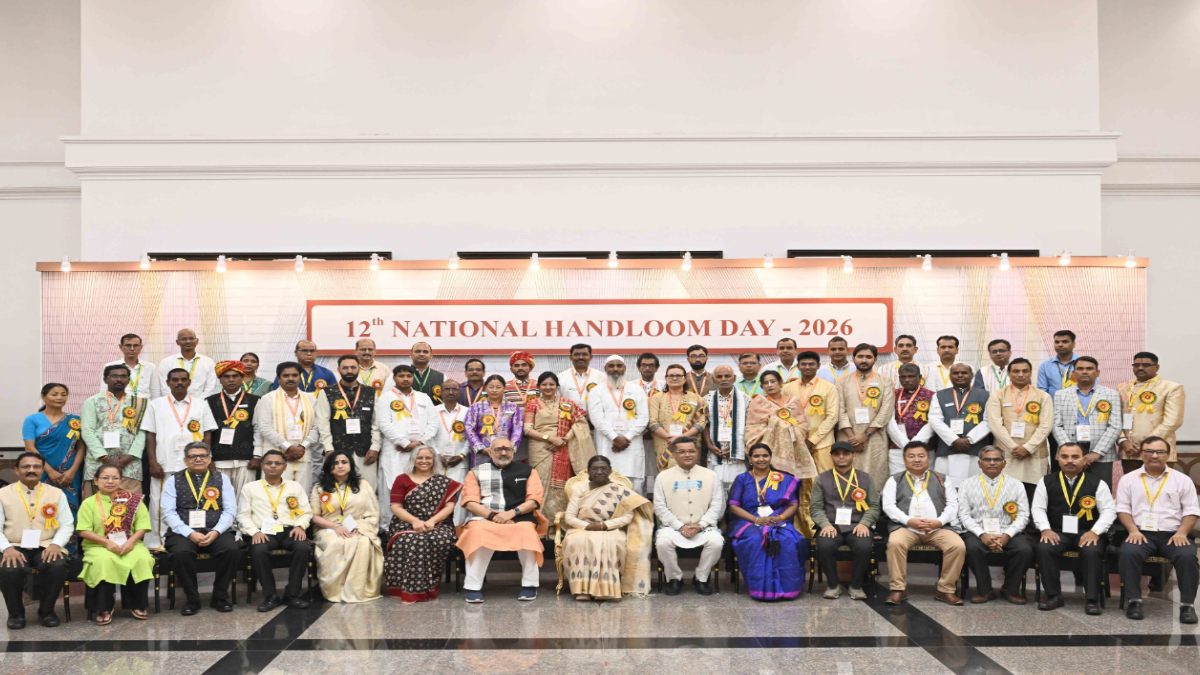
The ceremony celebrated India's rich handloom heritage and recognized the remarkable craftsmanship and dedication of individuals who have preserved one of the oldest and most cherished traditions in our country.
President Murmu told the gathering that India’s handloom industry has been an integral part of the country’s civilizational journey for centuries. Handloom is a way of life for India too, she said. Handloom is a reflection of India’s culture, artistry and regional diversity, she said. “Every woven fabric also tells a story of local traditions, indigenous skills and communities that have passed it from one generation to the next,” she said.
The President said that India’s handloom heritage has preserved the culture of every state and region and the cultural identity of all states and regions. From the beautiful silk weaves of northeast and the rich textiles of Rajasthan to the elegant cottons of south India and the Banarasi and Chanderi fabrics, India’s handloom industry is rich with design, weaving methods and artistic expression.
President Murmu emphasized that the preservation of traditional craftsmanship is important but the development of new technologies and modernization are also necessary for the long-term development of the industry. She also advocated that artisans and young entrepreneurs and designers who are working for a national and international market as well as educational institutions and startups would work together to produce products that will be made for the local market.
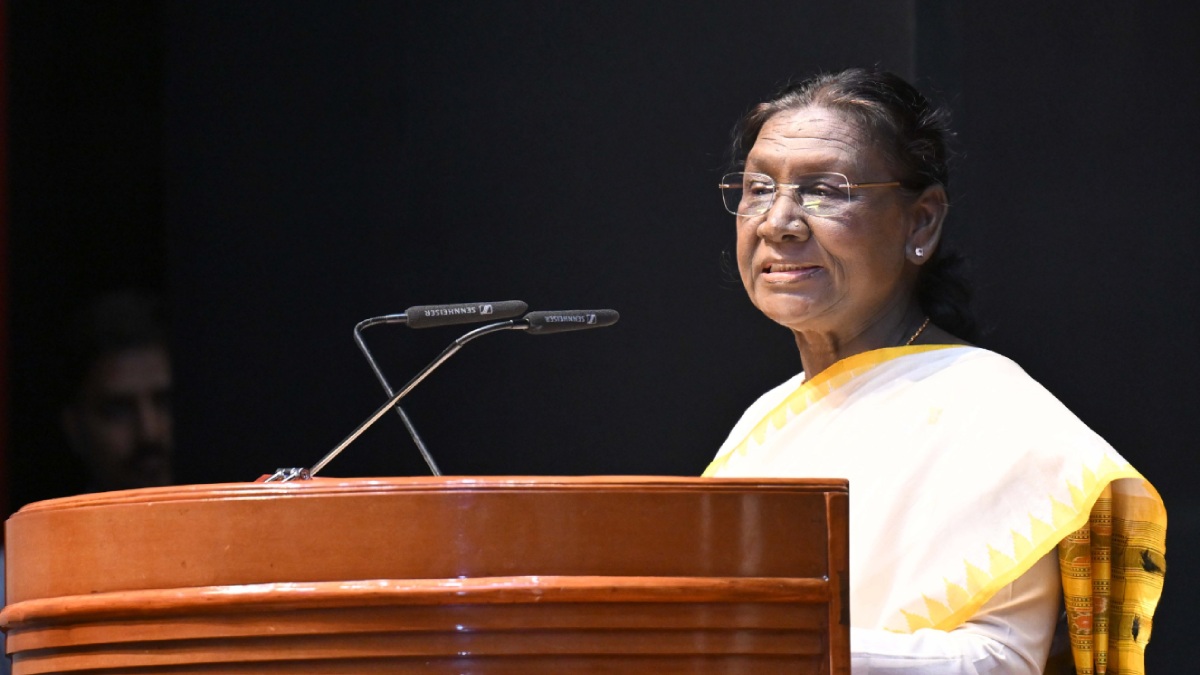
The President said in an interview that integrating India’s centuries-old weaving traditions with modern design, strong branding, modern technology, and global value chains can bring great value for the handloom industry. Such partnerships, she said, would enable Indian textiles to reach new international markets and boost the livelihoods of millions of weaving families.
The Sant Kabir Handloom Awards are among the nation’s highest honors for master weavers who have shown exceptional skill, innovation, and lifelong dedication to preserving India’s weaving traditions. The National Handloom Awards recognize the work of artisans that has brought in new thinking and the authenticity of traditional weaving. The awards ceremony was a tribute to the thousands of craftsmen who make up the fabric of India’s cultural and economic fabric.
India's handloom sector is still one of the largest sources of rural employment after agriculture. Millions of weavers, artisans, dyers, designers and allied workers depend on the industry for their livelihoods. The sector also has a considerable role in empowering women and self-help groups and preserving indigenous knowledge systems while promoting sustainable production practices.
Over recent years, Central and state governments have taken several steps to strengthen the handloom ecosystem (e.g. financial assistance, digital marketing, e-commerce integration, skill development, raw material support, design innovation, and participation in domestic and international exhibitions) to increase the visibility of Indian handloom products. And they are working to make traditional weaving economically sustainable and open it to international markets.
President Murmu also stressed the importance of encouraging younger generations to embrace traditional crafts. Technology, digital channels and entrepreneurship can help transform the handloom sector by connecting artisans directly with consumers worldwide, she said. Online marketplaces and social media have already enabled many weavers to show their products beyond regional boundaries, creating new income opportunities.
Handloom products are also increasingly appreciated in the world for their sustainability, eco-friendly production and unique handmade character, the president added. In the age of conscious consumers and sustainable products India’s handloom industry is ideally positioned to benefit from this global shift towards sustainable textiles.
President Droupadi Murmu graced the 12th National Handloom Day celebrations and presented the Sant Kabir Handloom Awards and the National Handloom Awards 2025 at the Rashtrapati Bhavan Cultural Centre.
— DD News (@DDNewslive) August 7, 2026
The President said that handloom has been an integral part of the… pic.twitter.com/rgRv3i8mct
As we celebrate the Swadeshi movement every year on 7 August, National Handloom Day commemorates the contributions of the country’s weaving community to the country’s cultural heritage and economic development.
The celebrations concluded with a renewed commitment to preserving the long-standing weaving traditions of India while embracing technological advancements and international opportunities. President Murmu’s speech emphasized the need to connect heritage with modern enterprise, and ensure that Indian handloom will continue to be a symbol of craftsmanship, sustainability and national pride for generations to come.