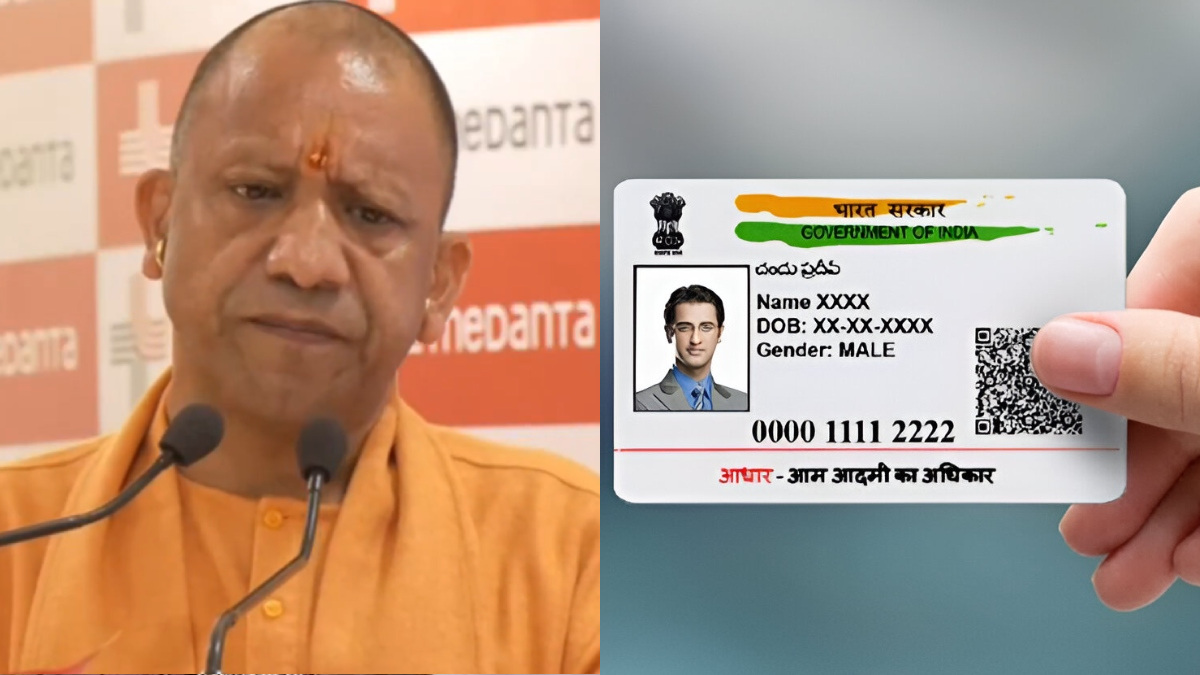
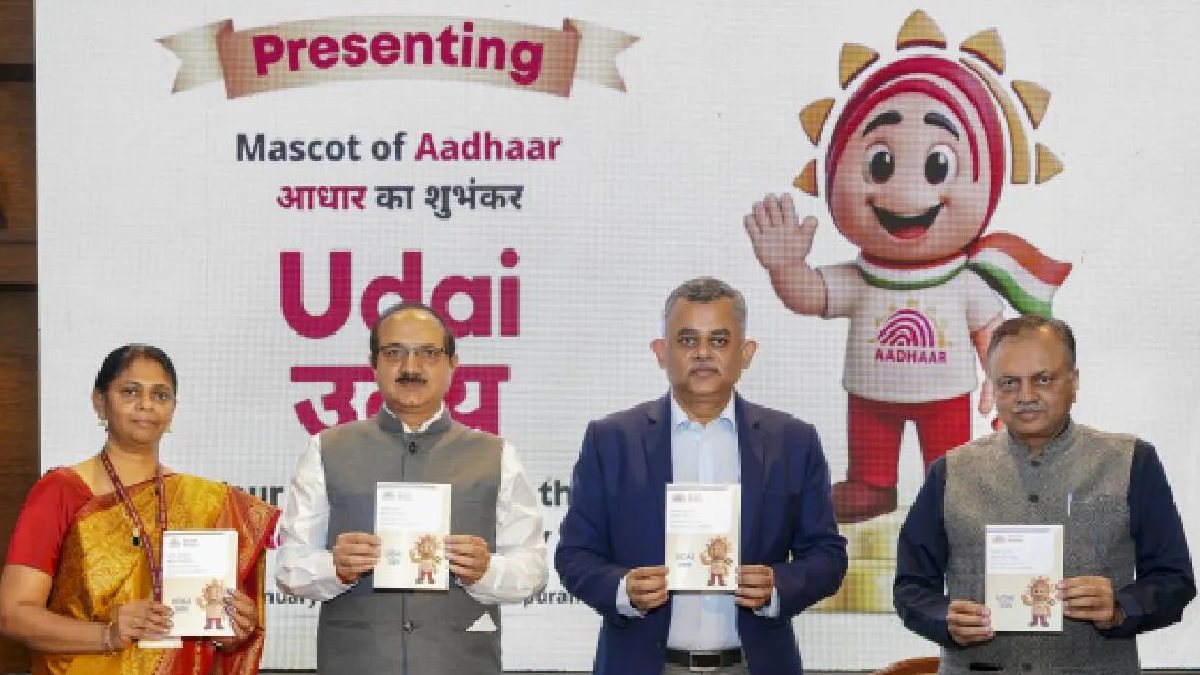
The Unique Identification Authority of India (UIDAI) has officially launched a new Aadhaar mobile application that aims to make identity verification quicker, safer and more privacy-oriented. QR-based authentication, face authentication, biometric controls, authentication history tracking, and selective data sharing features are included in the app.
The launch represents a watershed moment in how Aadhaar users manage and share their identity information. UIDAI also reported that the current mAadhaar application will be phased out in the next few months, and users should migrate to the new platform.
What Is the New Aadhaar App?
The new Aadhaar app is UIDAI’s latest digital identity management platform to enable users to verify their identity without carrying a physical Aadhaar card or sharing photocopies.
The new app, unlike traditional Aadhaar verification methods, is consent-based. Users can choose what sort of information they want to share rather than reveal all their Aadhaar profile.
The platform was designed to comply with India’s Digital Personal Data Protection (DPDP) Act, and privacy and user control are the foundation of the platform.
mAadhaar to Be Discontinued
UIDAI has confirmed that the existing mAadhaar application will soon be retired.
In a post on social media platform X, the authority said users should switch to the new Aadhaar app as it is faster, more secure and easier to use. Users are also encouraged to download and activate the new platform as part of the transition process, the organisation said.
How to Set Up the New Aadhaar App
The registration process has multiple layers with security features to protect user accounts.
To activate the app, users need to:
- Download the official Aadhaar app from the Google Play Store or Apple App Store.
- Choose their preferred language.
- Enter the mobile number associated with Aadhaar.
- Verify the mobile number with OTP.
- Complete Face Authentication.
- Create a 6-digit security PIN.
- Optionally enable biometric unlock.
- Link and verify Aadhaar details.
Once these steps are completed, the Aadhaar account becomes active on the device.
QR-Based Verification Replaces Photocopies
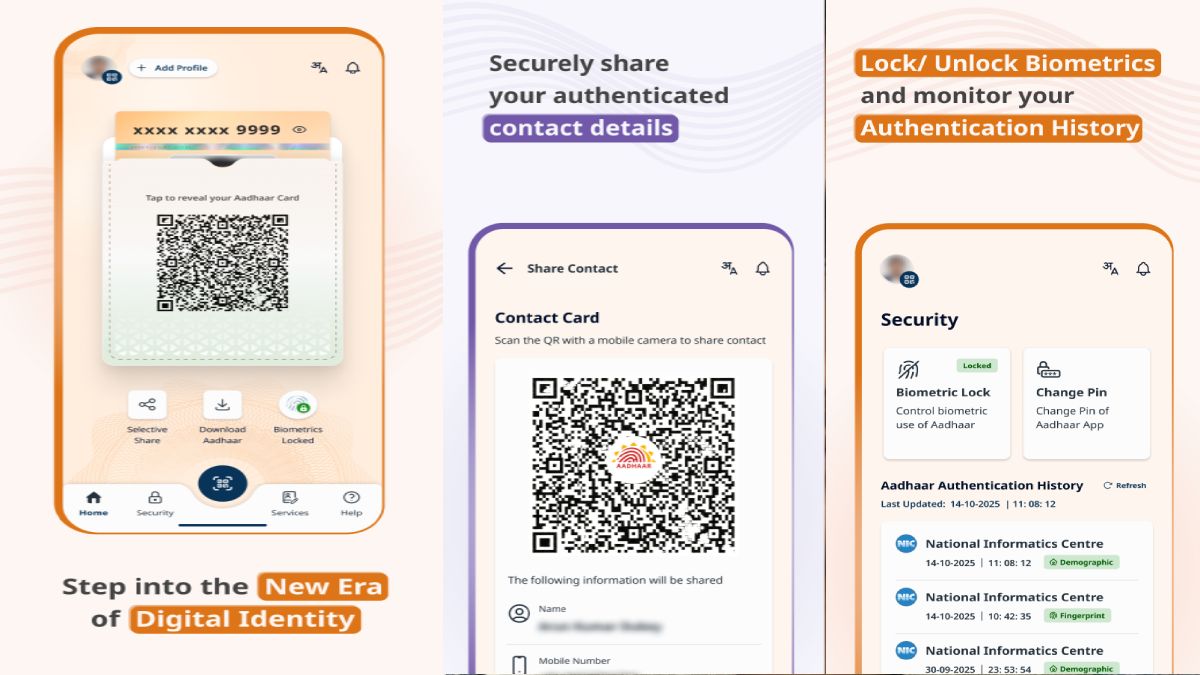
One of the most significant improvements is QR-based Aadhaar verification.
Instead of submitting photocopies or sharing the full Aadhaar number, users can generate a QR code and share it when identity verification is required.
This feature can be used for hotel check-ins, hospital registrations, government services and various other identity verification processes. UIDAI says the QR verification system can also work in offline situations.
Face Authentication for Enhanced Security
The app introduces Face Authentication as an additional layer of protection.
Previously, the authentication of Aadhaar access and verification was mainly based on OTP. Facial verification in such a case is more secure and can be used when more robust identity validation is needed.
Selective Data Sharing Improves Privacy
Privacy is one of the central features of the new Aadhaar platform.
Users can only share their individual information, like their name, age, address or photograph if they wish, instead of sharing their complete Aadhaar profile.
This selective-sharing strategy minimises the exposure of personal data and gives users more control over their information.
Biometric Lock and Unlock Controls
The app also enables users to manage biometric information linked to Aadhaar from their smartphones.
Fingerprint, iris and facial authentication can all be locked or unlocked with a single touch.
Authentication History Tracking
Moreover, authentication history tracking is also an important addition.
Users can see when and where their Aadhaar credentials were used for verification. This feature increases transparency and enables users to identify any suspicious or unauthorised activity.
Multiple Aadhaar Profiles on One Device
The application can be used to manage up to five Aadhaar profiles on a single smartphone.
This functionality is particularly useful for families, allowing parents to oversee their children's Aadhaar profiles and caregivers to assist elderly family members with the same device.
Mobile Number and Address Updates
The new Aadhaar app also provides access to mobile number and address updates as well.
This reduces the need for physical visits to Aadhaar enrolment centres for certain update needs. UIDAI has also said that in the future, update support would be added to the app.
Strong Focus on Privacy and Data Protection
According to UIDAI, the app’s main goal is to reduce long-term storage of Aadhaar information by hotels, offices, service providers and third parties.
With the help of features such as masked Aadhaar and selective information sharing, we can minimise the amount of personal data that can be exposed during verification while maintaining secure identity authentication.
Free Aadhaar Document Updates Extended
Along with the launch of the new app, UIDAI has extended its free online Aadhaar document update service.
Users accessing the myAadhaar portal can update identity and address documents without a fee until June 14, 2027. A previous deadline was June 15, 2026.
What Makes the New Aadhaar App Different?
The new Aadhaar app is a big shift in digital identity management from complete identity record sharing to only necessary information sharing.
With features like QR-based verification, face authentication, biometric controls, authentication tracking, multiple profile support, and privacy-first data sharing, the platform aims to make Aadhaar verification more secure, transparent, and user-friendly.
As mAadhaar approaches retirement, the new Aadhaar app will be the primary digital identity platform for millions of users across India and will provide them with greater convenience while strengthening privacy and data protection.