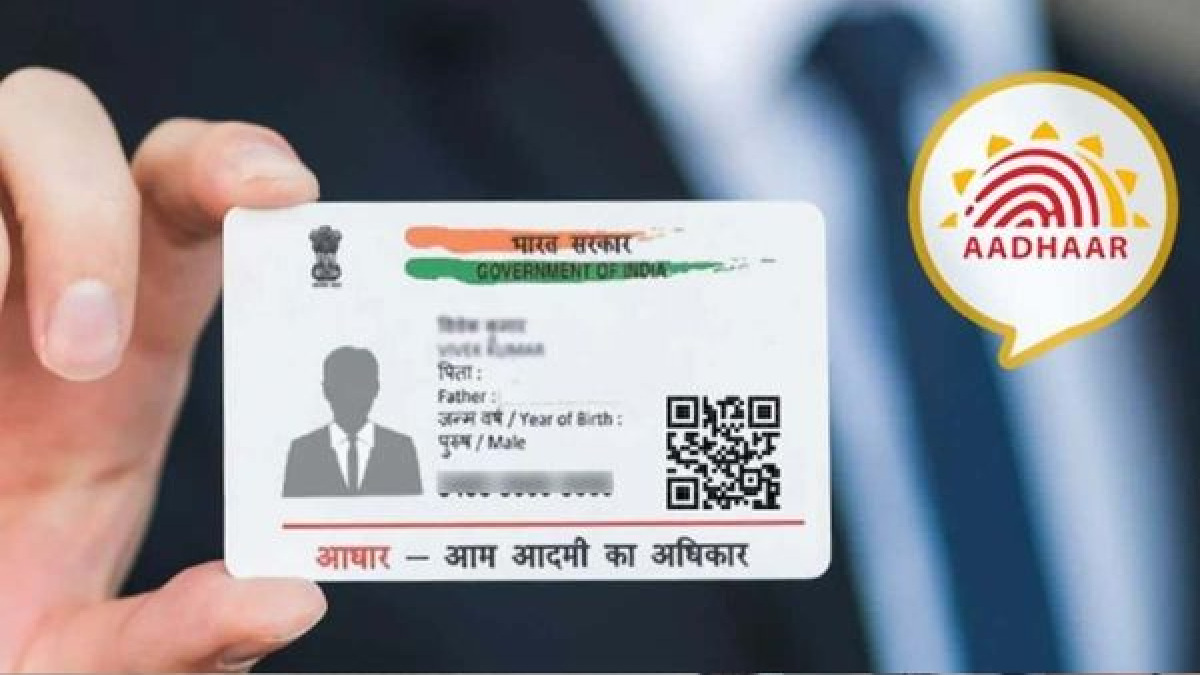
The Unique Identification Authority of India (UIDAI), the body responsible for the Aadhaar ecosystem, is reportedly planning to roll out significant updates to the Aadhaar card's design and features, primarily aimed at reinforcing security and enhancing the privacy of its billion-plus cardholders. The most striking change rumored in the development pipeline is the potential discontinuation of displaying the full residential address on the physical card.
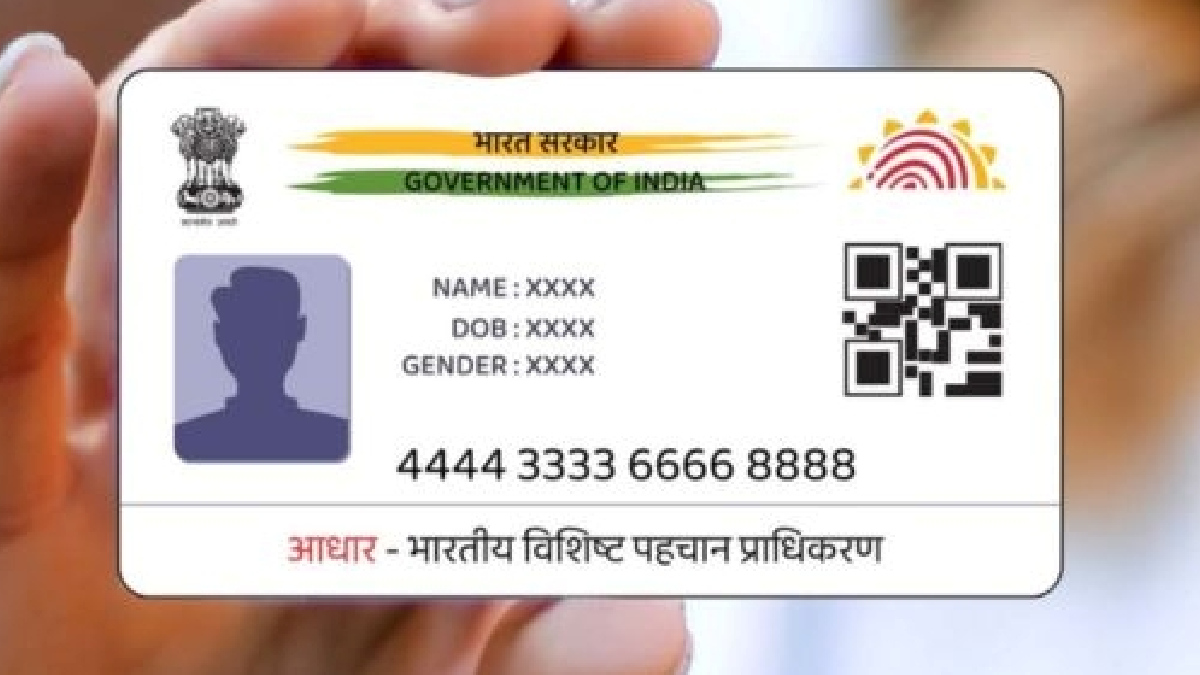
The move comes amid a continuous push by the UIDAI to adopt stringent data protection measures and limit the amount of personal information visible on the physical document to prevent misuse in various transactions.
Focus on Address Masking for Enhanced Privacy
While Aadhaar remains a crucial proof of identity and address, security experts have long pointed out the risk associated with displaying a resident's full permanent address on the physical card, which can be easily photocopied or misused.
The anticipated new iteration of the Aadhaar card—or a new version of the e-Aadhaar—is expected to mask or completely omit the residential address, serving only as a basic proof of identity (name, date of birth, gender) and proof of biometric authentication, rather than a primary proof of address in every single use case.
If implemented, this would mean users would need to rely on digital methods or other approved documents for explicit address verification, significantly minimizing the risk of unauthorized address collection during routine identity checks.
Reinforcing Existing Security Layers
The UIDAI has historically implemented several robust security features. The new changes are expected to further emphasize the use of these existing secure methods:
- Aadhaar Virtual ID (VID): The promotion of the 16-digit Virtual ID will likely be ramped up. The VID can be used in place of the 12-digit Aadhaar number for authentication and KYC, providing an extra layer of abstraction and preventing the exposure of the actual Aadhaar number.
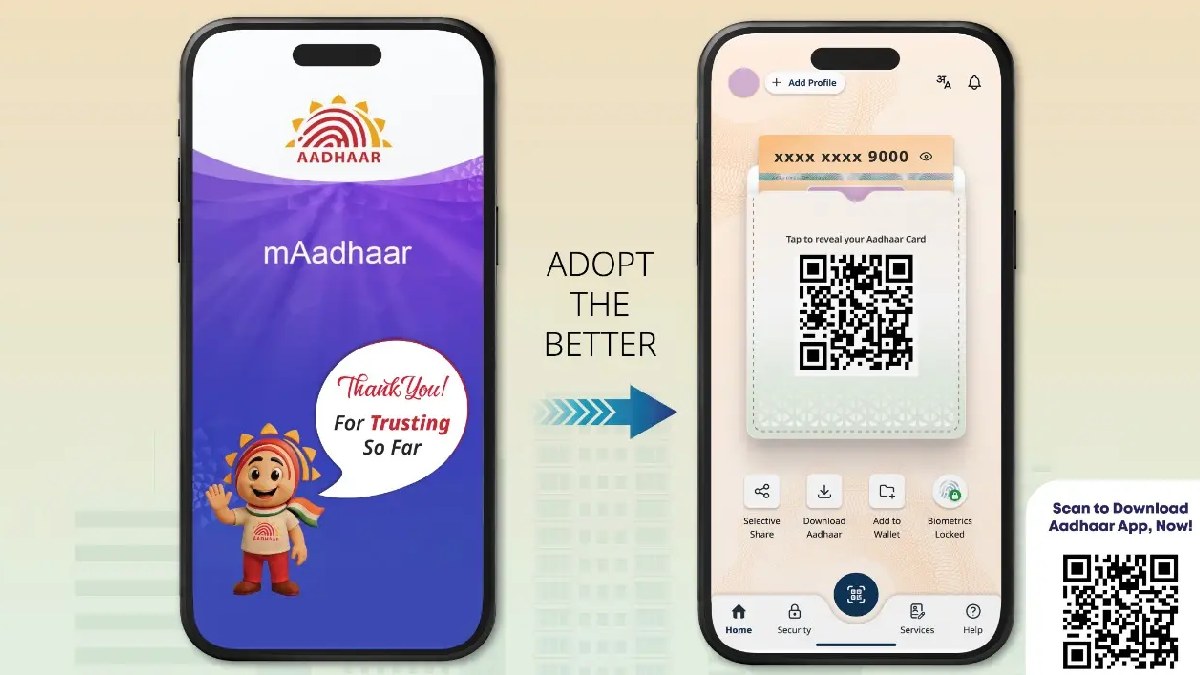
- Secure QR Code: The new Aadhaar versions are equipped with a digitally signed and secure QR code. This code contains the holder’s demographic and photographic data which can be read and verified offline using the dedicated Aadhaar mobile application. This makes the document tamper-proof and authenticates its details without needing online connectivity.
- Encrypted Data: All e-Aadhaar and m-Aadhaar versions feature encrypted data fields. Furthermore, the UIDAI has encouraged the use of masked Aadhaar numbers, where only the last four digits are visible, a practice that may now become the default standard for physical printouts.
Implications for Cardholders and Businesses
The changes, particularly regarding address visibility, will necessitate a shift in how businesses and government agencies conduct physical KYC (Know Your Customer) verification.
- For Businesses: Entities performing KYC will be increasingly compelled to use digital verification methods like VID, e-KYC, or the Aadhaar Paperless Offline e-KYC (which provides a secure, encrypted digital file) instead of simply relying on a photocopied card.
- For Residents: Cardholders will be advised to use the secure modes of Aadhaar (like m-Aadhaar) and practice caution, ensuring they only share their full Aadhaar number when legally required and highly secure.
The UIDAI’s consistent efforts demonstrate a commitment to evolving the Aadhaar framework to match modern digital security and privacy expectations, solidifying its position as a secure and reliable foundational digital identity in India.