One patient’s night hospital shift nurse was hospitalized at a very late time and at a very bad time for women, and it has once again raised serious questions about safety for women workers in a hospital. Hospitals are where medical staff and patients take care of each other and their families at all hours and even emergency help is needed. But also women nurses working at night -- especially women -- need safe and secure working conditions.
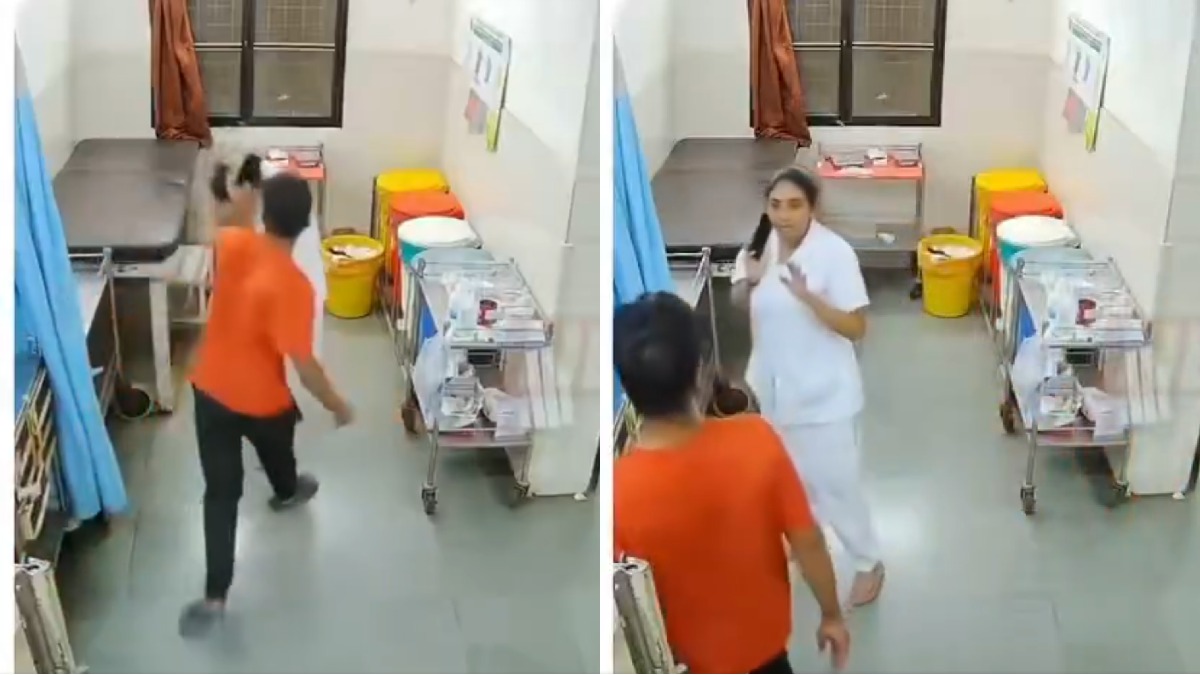
The incident occurred at midnight in a hospital when a man attacked the woman who was performing her job. The whole incident should be thoroughly investigated and the incident has raised the question of how adequately protected are women working night shifts in hospitals in India?
Nurses play an essential role in the healthcare system. They are not done when regular working hours are over. Night shifts are often unavoidable because hospitals are open 24 hours a day. Nurses may need to monitor patients, give medicines, respond to emergencies and assist doctors at any time. Despite the demands of work, they should not sacrifice their health to do so.
Working overnight provides additional security threats for female nurses working in hospitals where hospital staff are less available and less frequently at night. Hospitals should ensure that they have enough security personnel at night. Security guards should be properly trained to respond quickly to staff members and emergency communication systems should be available to every employee.
Healthcare workers’ safety should also be secured with secure corridors, CCTV cameras, restricted access to sensitive areas and adequate lighting in and around the hospital. Entry and exit points should be monitored, especially at late-night hours. Hospitals may also consider panic buttons or emergency alert systems at nursing stations and other areas where staff may be working alone.
Nurses’ safety is also a major concern when travelling to and from work. Many healthcare workers end their shifts early in the morning when there’s not much public transport available. Hospitals may need to provide secure transportation facilities for employees working late-night shifts to get them out of the hospital in the middle of the night or early morning when they have to leave.
Hospitals need to have procedures with regard to aggressive patients, attendants or outsiders to handle any kind of disturbance. Healthcare workers deal with people who may feel upset, angry or emotionally disturbed all the time. Even though it is hard to predict this, proper security procedures and trained personnel can prevent the conflict from erupting into violence.
Most importantly, attacks on healthcare workers should not be treated as routine workplace risks. Nurses and other medical staff should be treated with the same dignity as their colleagues working in any other job. Their choice to work at night shouldn’t mean that they have to take on a higher personal risk.
Jitni bhi Nurse india me night duty karti hai, unki safety ka bhi dhyan rakhna chahiye ‼️
— Sharma ji (@Sharmaji2772) August 18, 2026
Ye incident adhi rat ko ek hospital me hua jaha ek admi ne nurse par hamla kar diya 🚨
Sawal ye hai ki koi female agar rat m duty kare to safety ka bhi usi tareeke se intzam hona chahiye 💯 pic.twitter.com/oE3OeYG5Y8
The responsibility of safety cannot rest entirely on individual nurses. Telling women to “be careful” isn’t enough. Hospitals, security agencies, administrators and authorities need to work together to create systems that protect employees before an incident occurs rather than responding only after something goes wrong.
The midnight attack should therefore be a reminder that *women working night shifts need real security arrangements, not just assurances*. A hospital cannot really be safe for patients if nurses and other healthcare workers are themselves at risk.
As hospitals are still open 24/7 the safety of female nurses on night duty should be considered an essential workplace responsibility. Every nurse should be able to do her job without fear that there are sufficient security measures in place if an emergency occurs.