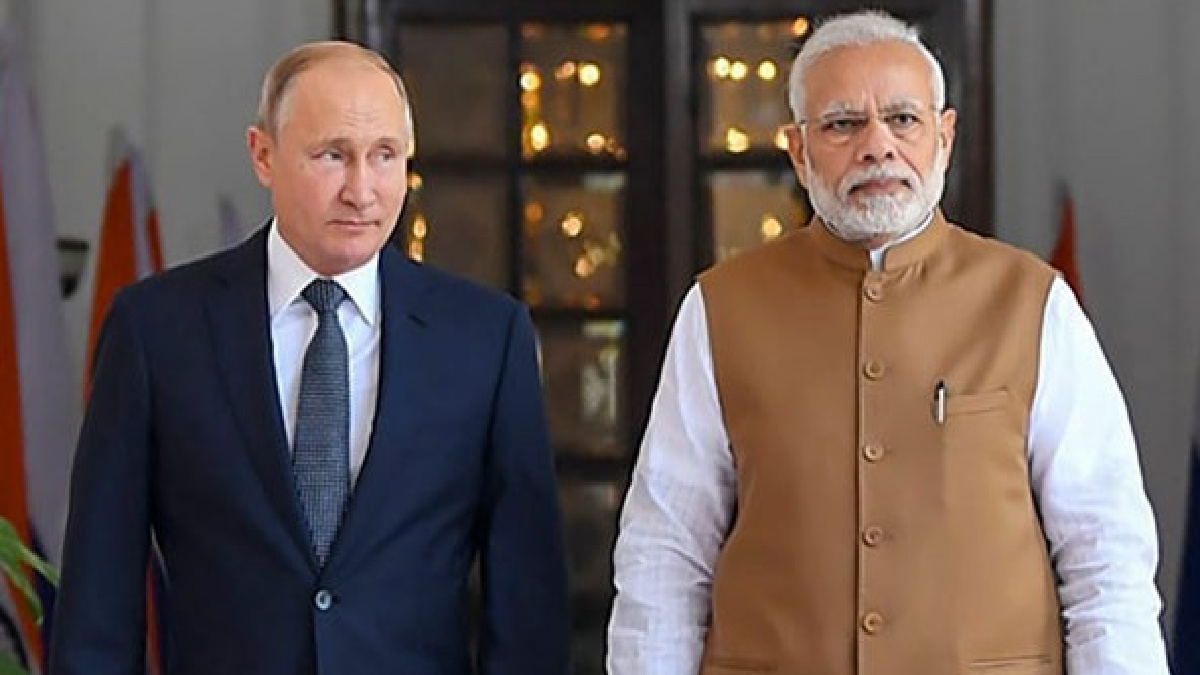
Narendra Modi’s visit to the Mahatma Gandhi Centre at Tashkent State University of Oriental Studies highlighted the growing academic and cultural interest in India in Uzbekistan.
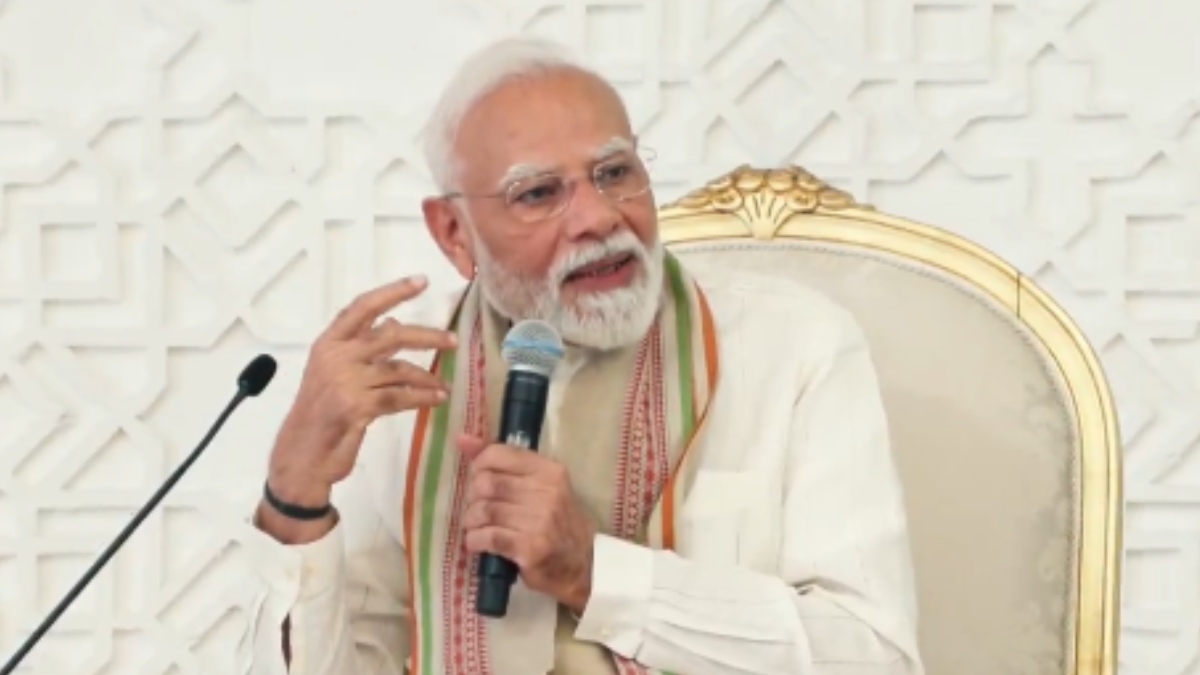
During his visit he observed the activity going on in the centre and witnessed many aspects of the Indology ecosystem, the great interest of students in India, the extensive research on the life and legacy of Mahatma Gandhi, and the growing interest of students in Tamil culture.
As he said, Prime Minister Modi saw the visit as interesting for several reasons. In his remarks he also spoke about the role of academic institutions in strengthening cultural ties between India and Uzbekistan and how we can take the cultural ties between India and Uzbekistan to a higher level.
Universities and research centres can be great venues for students and scholars to study India's history, languages, philosophy, literature and cultural traditions, as well as to develop relationships beyond the diplomatic ties.
One of the key aspects that Modi highlighted was the existence of a rich Indology ecosystem. In general, Indology is the research of India, including its history, languages, literature, philosophy, religions, art and cultural traditions. The interest of students and researchers in Uzbekistan to study these topics is still very strong, indicating the intellectual relevance of Indian civilisation and its various intellectual traditions.
The Prime Minister also highlighted the passion students show for studying India. Such interest can lead to people-to-people ties between the two countries. Young scholars who study Indian languages, history and culture will be the key to links between Indian and Uzbek academic communities in the future.
Mahatma Gandhi’s life and thought also came up a lot in the visit. Modi said there was a lot of work going on with Gandhi Ji’s life as well. Gandhi is globally known in history, with ideas of non-violence, truth and social responsibility being studied in many countries. Studying Gandhi's life and how he influenced India can give students a perspective on India’s freedom struggle and Gandhi’s influence.
The visit also revealed some interesting cultural development: the increasing interest in Tamil culture. Tamil is one of India’s oldest classical languages and has a rich literary history stretching back centuries. Interest in Tamil language and culture outside India can help in raising the international awareness of India's linguistic diversity. For a country as culturally and linguistically diverse as India, academic interest in individual regional traditions serves as another route to international cultural exchange.
A touching moment in the visit was when students recited a few lines from poems inspired by Prime Minister Modi. That interaction brought a literary aspect to the programme and the students and academics were really excited when the visiting Indian leader was there.
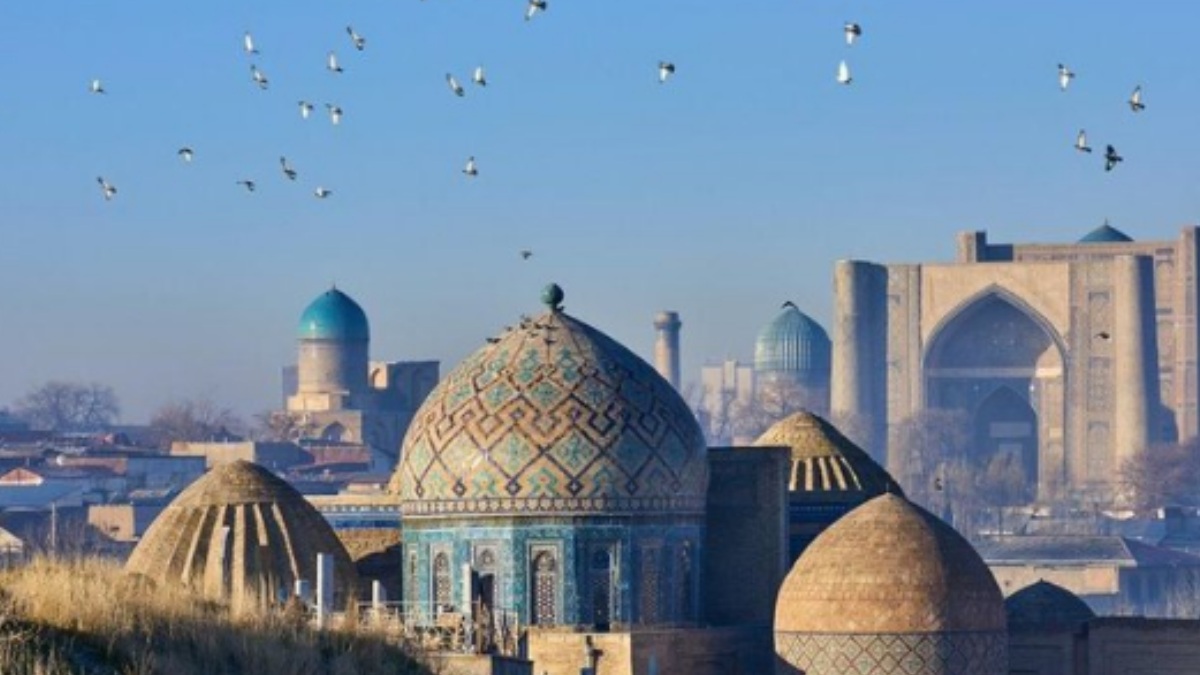
The activities of the Mahatma Gandhi Centre also fit in with the larger cultural relationship between India and Uzbekistan. The two countries have long been connected through trade, scholarship, cultural exchange and people-to-people exchanges. Central Asia has long been connected to the Indian subcontinent through intellectual and commercial means, and modern educational institutions offer new possibilities to develop these historical links.
The role of university cultural centres in this is to provide a platform for this. Lectures, research, language studies, cultural programmes and academic exchanges can bring many more students into India. They can also help Indian scholars and institutions meet researchers and students in Central Asia.
For India, the growing international interest in its cultural traditions can help strengthen India’s cultural diplomacy. India’s influence abroad is not just about its economic and political relationships but also its literature, philosophy, languages, history, arts and traditions. Academia dedicated to studying India can help maintain and expand that cultural engagement.
Modi’s visit to the Mahatma Gandhi Centre provided insight into that important aspect of India-Uzbekistan relations. More than just meetings and diplomatic discussions, academic and cultural exchanges can help to create lasting relationships for the younger generations.
The Prime Minister’s comments about Indology, Gandhi studies and Tamil culture also underline India’s diversity in cultural appeal. From the philosophy associated with Gandhi to the ancient literary traditions of Tamil, India’s cultural heritage covers a vast range of subjects for international students and researchers.
Yesterday’s visit to the Mahatma Gandhi Centre at Tashkent State University of Oriental Studies was interesting for quite a few reasons:
— Narendra Modi (@narendramodi) August 31, 2026
Got to see a vibrant Indology ecosystem.
Saw great passion towards studying about India.
Immense work on Gandhi Ji’s life.
Growing… pic.twitter.com/K4BM69UJwb
The visit proved how education and culture can be bridges between nations. The enthusiasm of students at Tashkent State University of Oriental Studies, combined with the institution's work on India-related studies, reflects the continuing interest in India's civilisation and contemporary cultural landscape.
Education and cultural interactions in the context of such exchanges might further enhance the people-to-people relationship between India and Uzbekistan, if they are expanded.