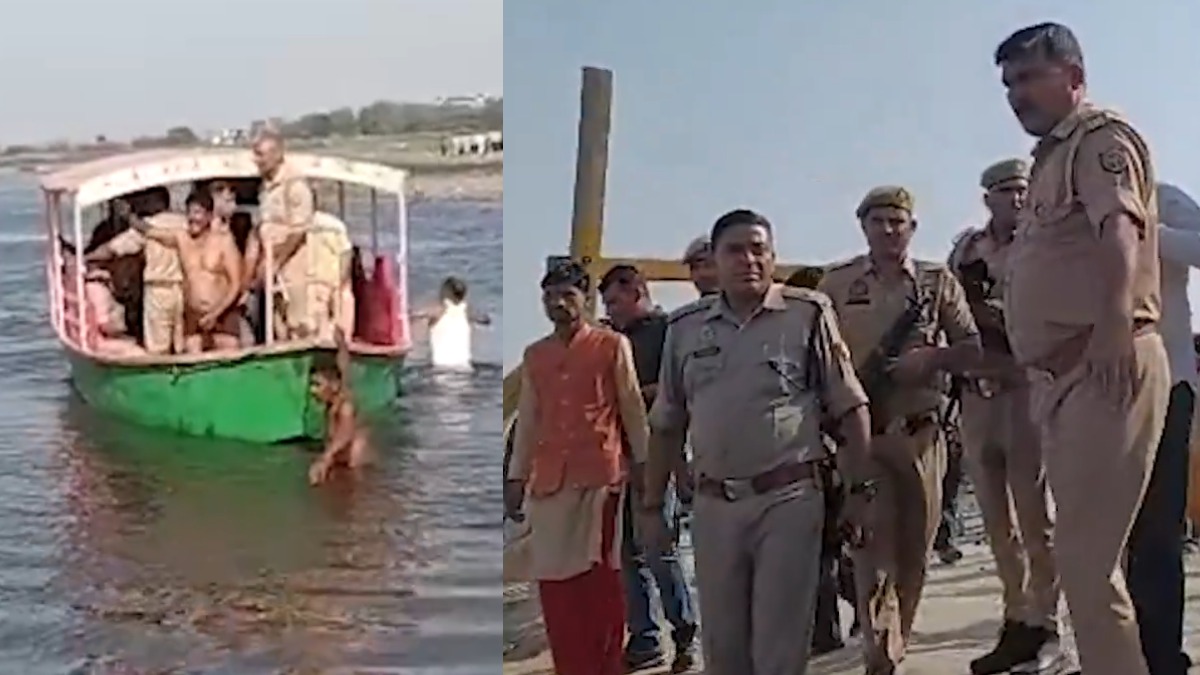
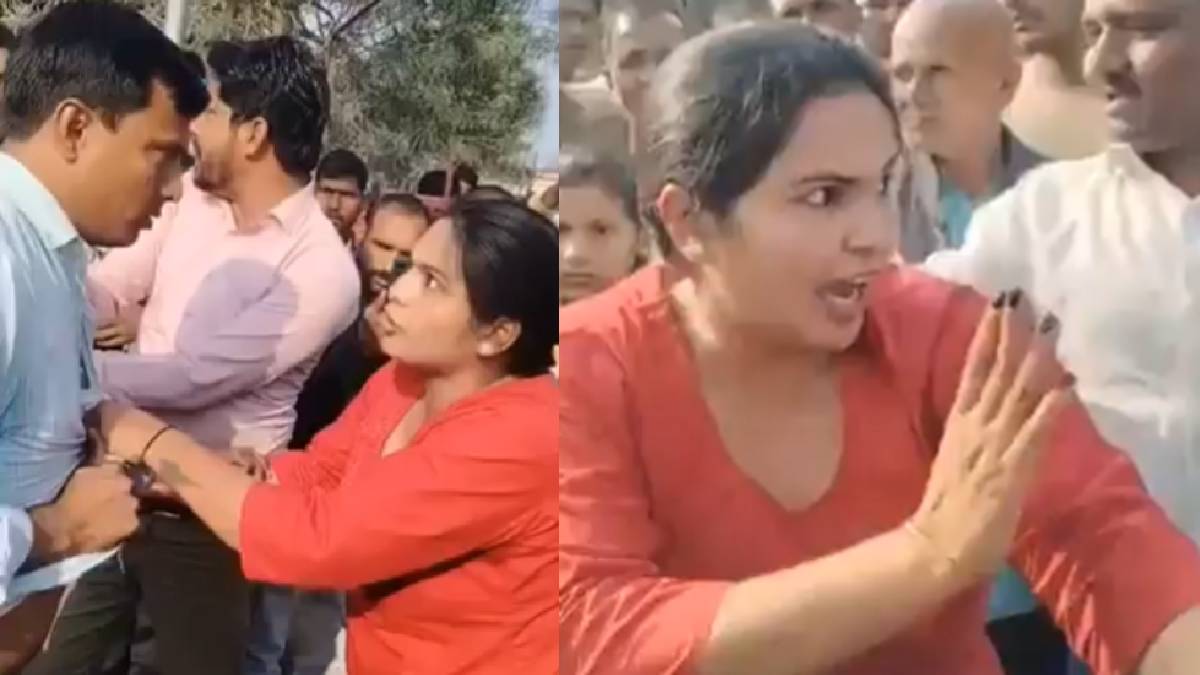
The video shows police officers beating women crowd agitators in protest, provoking a fury from Ambedkar Nagar. The protest reportedly broke out amid reports of unidentified individuals reportedly throwing black paint at a statue of a towering person named B. R. Ambedkar or named Ambedkar viewed through the prism of India’s Constitution. Local residents, especially women, took to the street at that point in protest to demand accountability, demand action.

The intensity of the storm increased, and police were called in to disperse the crowd. But social media records indicate that male police officers allegedly baton-charged women protesters. Since then the video has been spread like wildfire. A lot of people are being angry and many have turned on one another. Critics are from activists to various civil society groups.
उत्तर प्रदेश पुलिस ने महिलाओं को सरेआम पीटा
— Adv Deepak Babu (@dbabuadvocate) April 17, 2026
अंबेडकर नगर में बाबा साहेब की मूर्ति पर कालिक पोतने को लेकर महिलाओं ने विरोध प्रदर्शन किया तो पुरुष पुलिसकर्मियों ने महिलाओं को डंडों से पीटा गया।
1- वीडियो सोशल मीडिया पर वायरल।
2- महिलाओं को पुरुष पुलिसकर्मी पीट सकते हैं pic.twitter.com/Uq0h4iyd9p
And the incident raises the legal and moral question most of us need to ask ourselves; Can male officers use physical force on women? What do we do with women protesters? If the circumstances are as they currently stand, however, women protesters must be handled by women police officers according to current Indian law and regulations. Force has been very limited especially with male officers and is subject to strict procedural safeguards.

Most situations, particularly when police are used to control a crowd they need to push for the greater use of force better than they can but then in proportionately less force is needed and in consideration of how to make no bones about the presence of women officers interacting to women protestors. “Officers have legal duties to enforce the rule of law, as legal academics put it, but to do so with a line drawn around their authority,”
they say. Any deviation particularly if it becomes physical abuse can lead to serious legal consequences like departmental discipline and prosecutors’ charges. But behind scenes, more than legally, the images have raised questions about how women are treated, at public protest shows, by others. The use of batons to assault women raises questions, not just about police training, but what kind of training the police should actually be given for and how they should act when they're involved in such episodes. Critics say that raising (not lowering) tensions is only dangerous.
Authorities have still not issued the release of a full statement explaining the details of the situations under which force was used. At the same time, demands for independent oversight are ascendant, as if any wrongdoing is discovered, there will soon be an outcry for accountability.
The Ambedkar Nagar incident had also shown the precarious delicate balance necessary for law enforcement forces to dance in, where they both seek public order and at the same time defend the rights of regular people. Protests can be disruptive and people not quite as used to attending them but you don't react by anger and fist if that is proportional by law and humane.
Since that video became viral (and it now also gets millions of shares), it has sparked a broader conversation about police reform, gender sensitivity and stricter follow-through of protocols. Even so, if we truly want our public's trust to be maintained we cannot remain silent, yes but we need to act, action which is not merely legal, but also responsible.