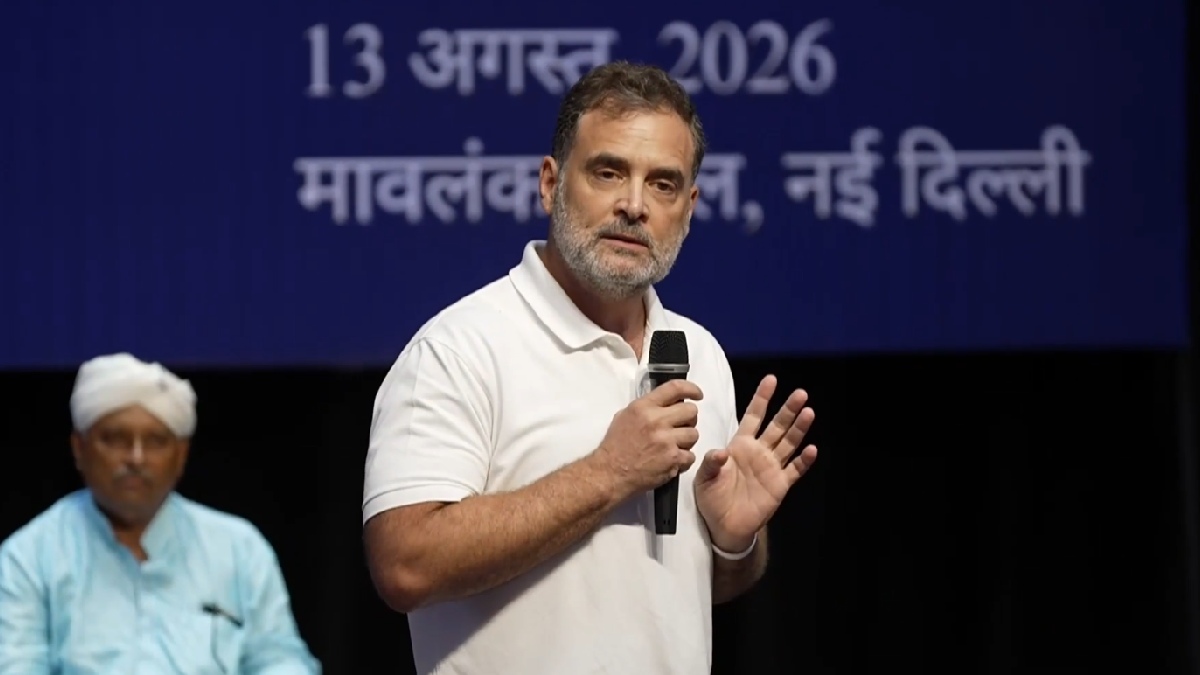
Rahul Gandhi has raised concerns about the deaths of more than 30 tribal children in Madhya Pradesh’s Balaghat which he said were caused by malnutrition, illness, unsafe water and inadequate healthcare while announcing his September 19 visit to Indore.
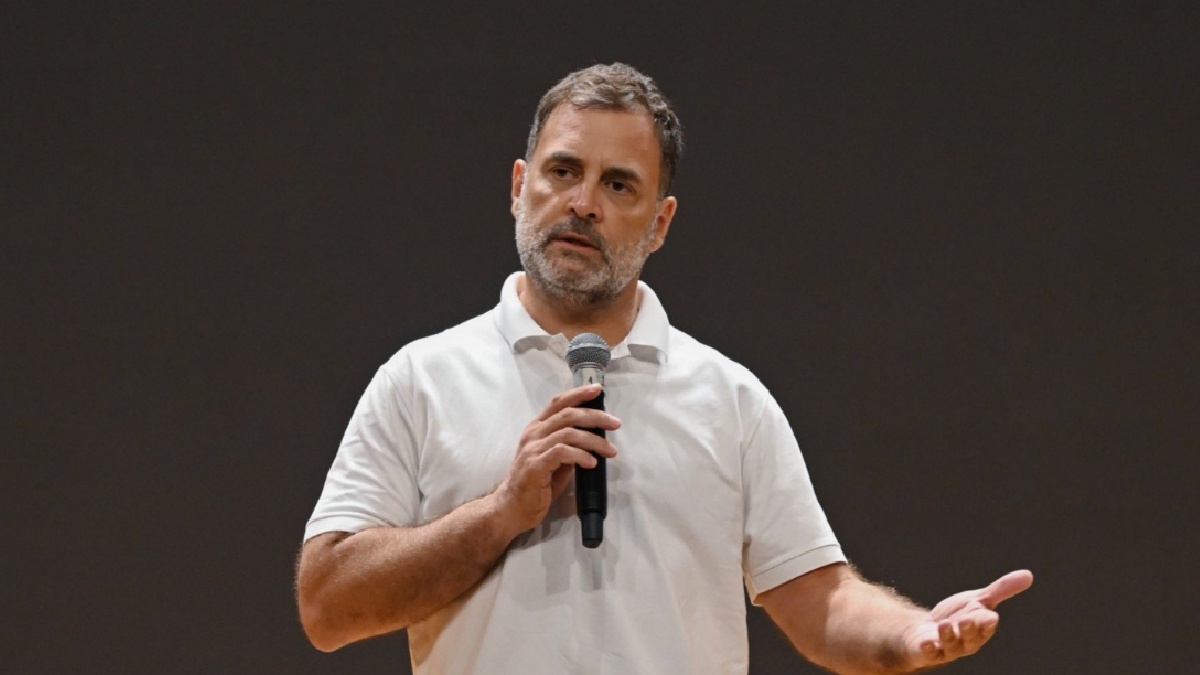
Congress leader and Leader of Opposition in Lok Sabha Rahul Gandhi has expressed his worry over the deaths of more than 30 tribal children in Madhya Pradesh’s Balaghat district. The deaths, he said, were due to illness, malnutrition, inadequate health facilities and lack of basic amenities and the Madhya Pradesh government's response to the situation, the Congress leader told The Hindu.
Balaghat reports have also described a continuing health crisis in many remote tribal-dominated villages, primarily in Baiga and Gond communities. Over 30 child deaths have been reported in the last few months, but their exact causes and final official death toll are still under investigation. Health issues in the region have been linked to suspected measles and malaria, severe malnutrition, anaemia, dehydration and respiratory problems.
Rahul Gandhi took to social media to say children in Balaghat were dying due to the lack of surveillance for diseases, poor nutrition, a lack of clean drinking water and an unhygienic healthcare system. He also accused the state government of failing to respond properly despite warnings about the state’s condition.
Gandhi also targeted Madhya Pradesh Chief Minister Mohan Yadav for the state government’s handling of the crisis. “The Chief Minister should take stock of the people living in the state and see how it is.” His comments come as political and public attention is on the deaths of tribal children in Balaghat.
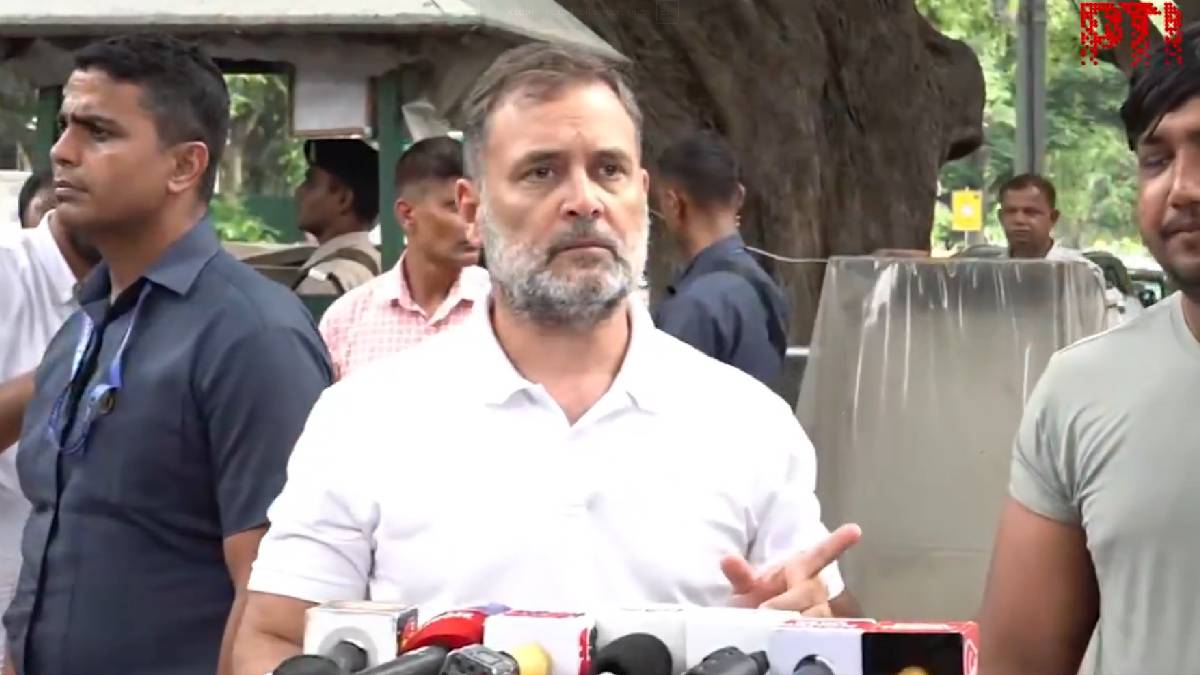
The Congress leader has also linked Balaghat dispute to larger public issues of education in Madhya Pradesh. He said that feedback he had received from students, young people and residents in the state points to failures in the education system and other public institutions.
The Balaghat crisis has attracted attention beyond political statements, with reports that hundreds of children have been treated for medical reasons. Early reports said that many children in the affected tribal settlements had been sick and were in need of serious nutritional problems. The health problems were not one single disease and officials examined different conditions and combinations of the diseases in individual cases, the crisis report said.
The situation has also prompted Madhya Pradesh government to improve its health response. Madhya Pradesh Deputy Chief Minister and Health Minister Rajendra Shukla discussed the issues in Balaghat and directed officials to improve health services in remote and rural areas. The state has posted 67 new medical officers in the district and approved Rs 2 crore to strengthen health facilities. Two new Primary Health Centres and one Sub-Health Centre and two Mobile Medical Units have been approved by authorities and there are plans to strengthen health care in the community.
The government has also been conducting vaccination, health screening and surveillance activities in affected areas. These measures help to identify sick children earlier, increase access to treatment and prevent further deterioration of the situation.
The exact reasons for the deaths are still part of the investigation. It has been speculated measles and malaria, but also malnutrition and other health problems in the community and health professionals and government also have pointed out that malnutrition and other underlying health problems can make infections worse for children. According to a report by India Today, the deaths took place in tribal-dominated villages where children were reported to have fever, rashes and respiratory symptoms, and malnutrition and anaemia were also present.
The issue has also reached the Madhya Pradesh High Court, where a public interest litigation concerning the deaths has brought questions over healthcare infrastructure and the government’s response into focus. The reported crisis has led to calls for greater transparency regarding the causes of death and the measures being taken to protect children in remote tribal communities.
बालाघाट में 30 से ज़्यादा आदिवासी बच्चों की बीमारी, कुपोषण और बुनियादी स्वास्थ्य सुविधाओं की कमी के बीच मौत हो चुकी है।
— Rahul Gandhi (@RahulGandhi) September 17, 2026
संवेदनहीनता का आलम यह है मासूमों की मौतें होती रहीं, लेकिन कार्रवाई सुस्त रही, सरकार सोती रही।
मुख्यमंत्री जी, दीये जलाने और उत्सव मनाने से फुर्सत मिल गई हो…
On September 19 Rahul Gandhi will travel to Indore as part of his ‘Chhatron Ki Goonj’ programme. The Congress is also making it clear that this is an opportunity for students and young people to express their concerns about education and other issues affecting them.
Gandhi has been soliciting feedback among students, youth and people in the state’s communities and will take stock of it during his visit, he said. For that reason, Balaghat’s child deaths have become political in the context of healthcare, education, nutrition and public services in the state.
But for the affected tribal communities, their immediate focus is on health care, nutrition, safe drinking water and preventing further child deaths. The exact causes of the deaths are still being investigated and medical studies and official findings will be key in establishing the motivation behind the tragedy and whether further action is necessary.
The Balaghat episode has so far become a major public health problem in Madhya Pradesh and political leaders, health authorities, courts and tribal people want to know why there were so many deaths and how we respond to them. The investigations and measures taken in the health sector continue to explore the causes of the diseases and improve access to medical care in remote areas and to assist with the timely treatment and nutrition of children who require it.