The Congress seems to be going through a gradual organisational change as Rahul Gandhi takes more direct control over the party structure and building of leadership team that reflects his political vision. For years it was an open question whether there would be “Team Rahul Gandhi” or not. It has been slow (senior leaders reportedly resisted the process), and according to reports from within the party itself even some sections of the old guard were against it. But recent developments suggest that Rahul Gandhi may now move more decisively.
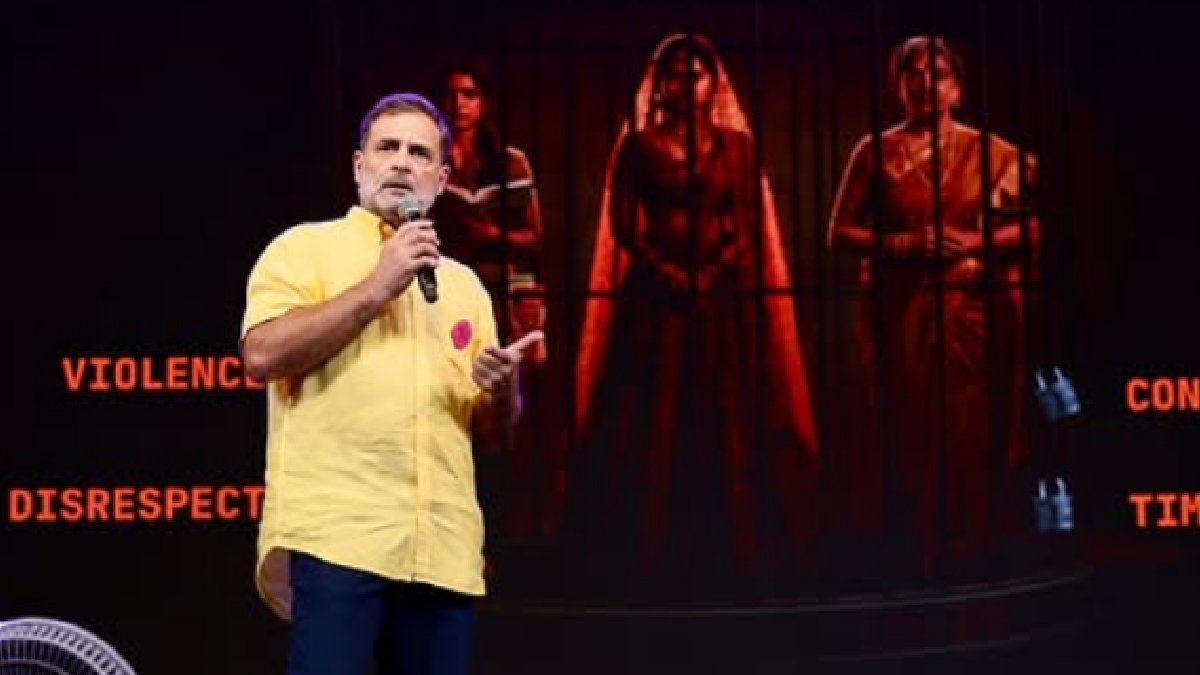
Party sources said Rahul Gandhi had recently interviewed people for the posts of party secretaries (who work along with general secretaries and senior leaders in managing organisational responsibilities). The move was considered significant as it was reportedly a more hands-on selection process for key positions in Congress.
Sources said Rahul Gandhi was not impressed with some of the candidates who turned up for the interviews (names had apparently been recommended by senior leaders) and some of them were reportedly rejected sending what sources called a clear message — recommendations or sifaarish alone may no longer be enough to get into the organisational structure that Rahul Gandhi is building.
Rahul Gandhi Looks To Make His Own Choices
For a party that has always had senior leaders influence organisational appointments this is an important shift in the reported approach. Rahul Gandhi seems to be putting more emphasis on his own judgement about leaders and how they can contribute to political and organisational objectives of the party.
The Congress has often been caught in this balancing act between veterans on the inside and younger leaders clamouring for a bigger role. Rahul Gandhi himself has spent years doing that balancing act — especially when disagreements over the party’s leadership and political direction were happening too (and still are).
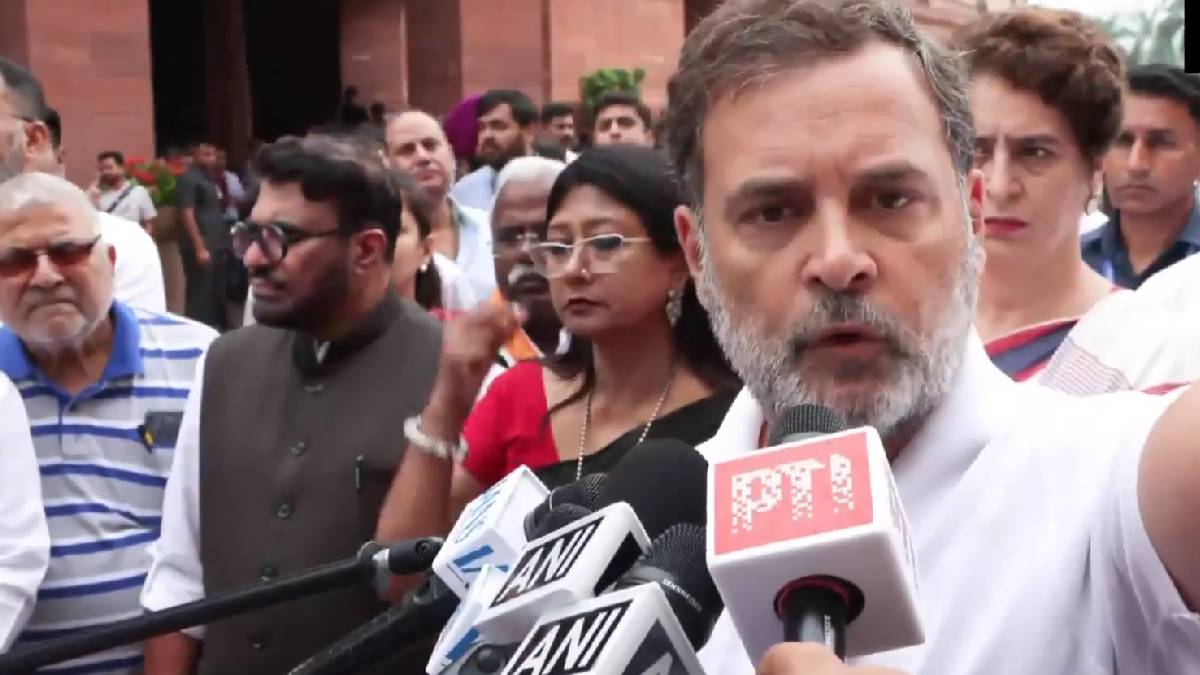
The resistance has not always been subtle. The emergence of the G23 group of senior Congress leaders had exposed differences in the organisation over leadership, internal elections and direction of the party. Rahul Gandhi’s attempts to push organisational change have therefore often required a delicate balancing act between asserting authority and unity among influential leaders.
Recent developments however suggest that this balancing act may be changing.
Sachin Pilot’s Punjab Appointment Sends A Signal
One of the most recent decisions has been to make Sachin Pilot as in-charge of Punjab for Congress — politically important because Punjab is one of those states where Congress feels it has a realistic chance to consolidate its position and come back to power.
However, the Punjab Congress has repeatedly had internal factionalism. Managing competing leaders and factions will therefore be one of the biggest challenges facing the party.
Bhupesh Baghel who had earlier handled the portfolio was criticised for perceptions of his relationship with various factions in Punjab unit. Pilot’s replacement is being seen as an organisational move.
Rahul Gandhi’s decision to back Pilot also has a wider message. Pilot is one of the younger and more prominent leaders in Congress and he has had political differences with veteran leaders (especially in Rajasthan).
By giving him an important responsibility Rahul Gandhi seems to be saying that he is willing to trust leaders whom he thinks can take politically difficult assignments even if those decisions are not always in line with what the party’s senior leadership wants.
Gujarat Remains A Major Political Challenge
Gujarat is another part of Rahul Gandhi’s organisational strategy. It is the home state of Prime Minister Narendra Modi and has always been a stronghold of the Bharatiya Janata Party.
For the Congress, gaining ground in Gujarat would be electoral as well as symbolic. But though it has worked hard to strengthen its organisation and challenge the BJP, it hasn’t been able to significantly weaken the ruling party’s grip on the state.
Party sources said Rahul Gandhi was “frustrated” with some leaders whom he had given responsibilities in Gujarat. They were asking whether some leaders lacked political aggression and commitment to challenge BJP.
The appointment of Randeep Surjewala as the party’s in-charge for Gujarat is therefore being seen as another instance of Rahul Gandhi putting his faith in leaders he thinks can take a tougher political line.
A New Organisational Direction?
The reshuffle is only the start of bigger changes. More organisational appointments are on the way and leaders who think like Rahul Gandhi politically and organisationally could get more responsibility.
Names like Manickam Tagore and Srinivas BV (who has been given charge of Congress Seva Dal) are also being seen as part of the direction in which the party is going.
Rahul Gandhi has had to build a trusted organisational team. The Congress has always depended on a combination of experienced leaders, regional power centres and organisational networks. Changing that structure is never easy (especially in a party with multiple generations of influential leaders).
Yet as the Congress prepares for future electoral battles, a clearer and more coordinated organisational strategy is needed.
Congress Looks Ahead To 2029
The 2029 Lok Sabha election is still several years away but major political parties build leadership structures well in advance. Rahul Gandhi seems to be getting the message that organisational preparation cannot start just before an election:
A strong team would give the Congress better coordination, opportunities to see political opportunities and respond more effectively to challenges from BJP.
The bigger question is whether Rahul Gandhi can build a team that is loyal AND political. Trusted leaders might get his vision implemented but the Congress will have to manage veterans and powerful regional leaders as well.
For now, the signs are that Rahul Gandhi is getting more assertive in how he moulds Congress organisation. Reports of candidates being rejected despite recommendations from seniors coupled with appointments in key states like Punjab and Gujarat indicate a leadership style increasingly driven by his own choices.
As the party looks to 2029 Rahul Gandhi seems determined that when the next big electoral battle comes he will have a team who understands his political strategy and can work towards a common organisational goal. Whether this emerging “Team Rahul” can turn the fortunes of Congress elections around is yet to be seen but the process of building it appears to be gathering momentum.