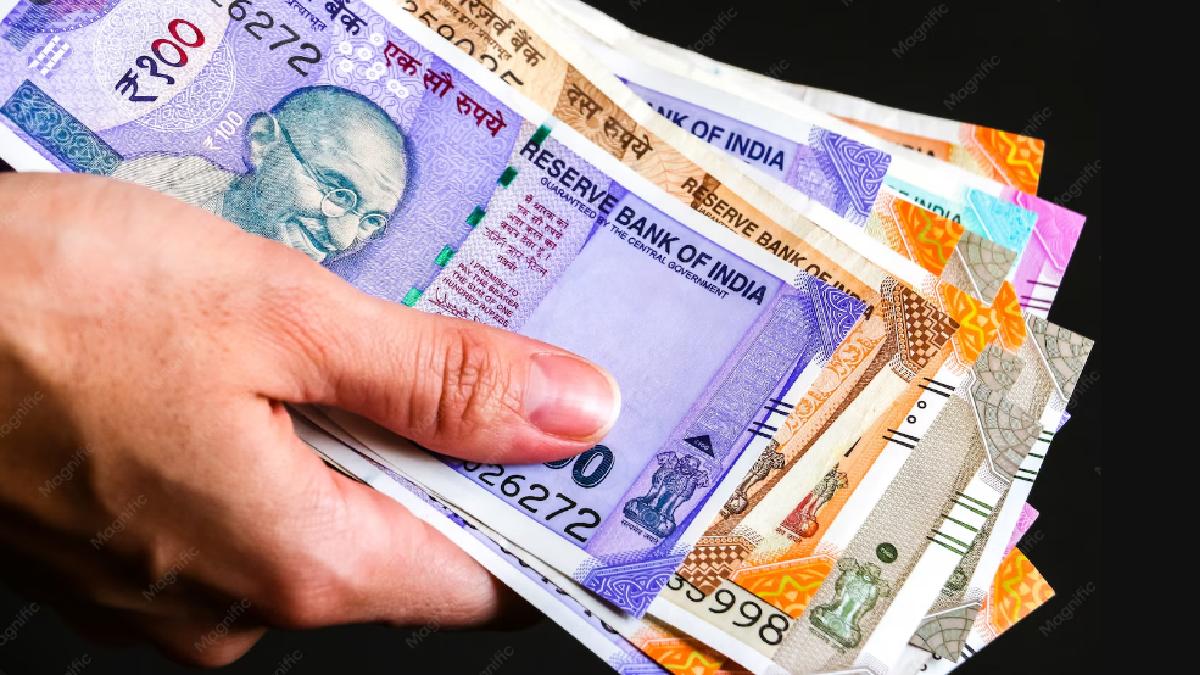
Cash continues to be important in India’s economy despite the rapid growth of digital payments, Reserve Bank of India (RBI) Deputy Governor Shirish Chandra Murmu said in a speech to fellow government ministers in Delhi.
Murmu made comments while delivering a keynote address at the Focus Group discussion: Global Cash Management, 2026 held at Bank Indonesia in Jakarta. The discussion brought together stakeholders to discuss changing cash use patterns, currency management, banknote sustainability and the challenges central banks face as economies transition to digital payment systems.
As Murmu put it, India is experiencing a cash paradox. And while the share of cash in individual transactions has declined because digital payment platforms have become a very popular way of paying for things, the total amount of currency in circulation is still growing at double-digit rates. That divergence has made it difficult for both policymakers and central banks to predict the future demand of physical currency.
RBI Deputy Governor said the changing relationship between cash and digital payments has implications for the planning of banknote production, storage and distribution. Central banks must ensure there is sufficient cash even as consumers increasingly rely on digital methods for everyday transactions.
In large and diverse countries such as India, where payment preferences can be very different between regions, demographics and economic activities, the problem becomes especially acute. In the country's financial system, digital payments have become deeply embedded in the system and so is access to people with high incomes and reliability in terms of payment.
Murmu also pointed out the issue of “banknote durability.” Increasing the usable life of currency notes could save even more time to produce and replace worn-out notes. The RBI is therefore exploring technological solutions that increase the durability of banknotes by means of surface coatings applied to the substrate.
Another area in demand is the use of polymer material for lower denomination banknotes. Polymer notes may be more durable than conventional paper-based notes and can be in circulation for longer periods of time. These are being explored in the context of general efforts to modernise currency management.
Sustainability was also a key theme of the address. With the amount of physical currency in circulation still high, central banks have to reduce the environmental impact of producing, transporting, processing and disposing of banknotes.
The RBI is working towards reducing the carbon footprint of the cash cycle by improving the efficiency of its distribution network and examining better ways of managing currency waste. Murmu also referred to efforts to move further up the value chain in the disposal of banknote briquettes, which are produced from shredded and processed unfit currency notes.
At a time when India is one of the world’s biggest digital payments markets, the comments are to be taken in the context of digital payments in India. Digital payments platforms and systems for instant digital transactions have changed the way millions of Indians make payments. But currency in circulation is still growing and digital payments have not put an end to physical cash.
Indeed, Murmu said, maintaining confidence in currency is a must. Clean banknotes, secure logistics and a reliable currency-management system will not only be necessary for everyday transactions but also for maintaining confidence in the monetary system.
The RBI’s approach is also indicative of a wider understanding that cash and digital payments are likely to coexist rather than one completely replacing the other. Different sections of society and different economic activities may continue to require different payment options.
The Deputy Governor concluded by stressing the need for international cooperation and knowledge-sharing between central banks. Group discussions such as this one are one way for policymakers to share learning and to find solutions to common problems rather than tackling them on their own.
India's next step will be to manage the country’s growing digital payment ecosystem while keeping physical currency available, secure, durable and trusted. As payment habits change, the RBI’s focus on cash management indicates that banknotes will be important in the Indian economy for years to come.