India's headline inflation is expected to rise further in the coming months and could peak during the third quarter of the financial year, the RBI Governor Sanjay Malhotra told Reuters Television on Wednesday.
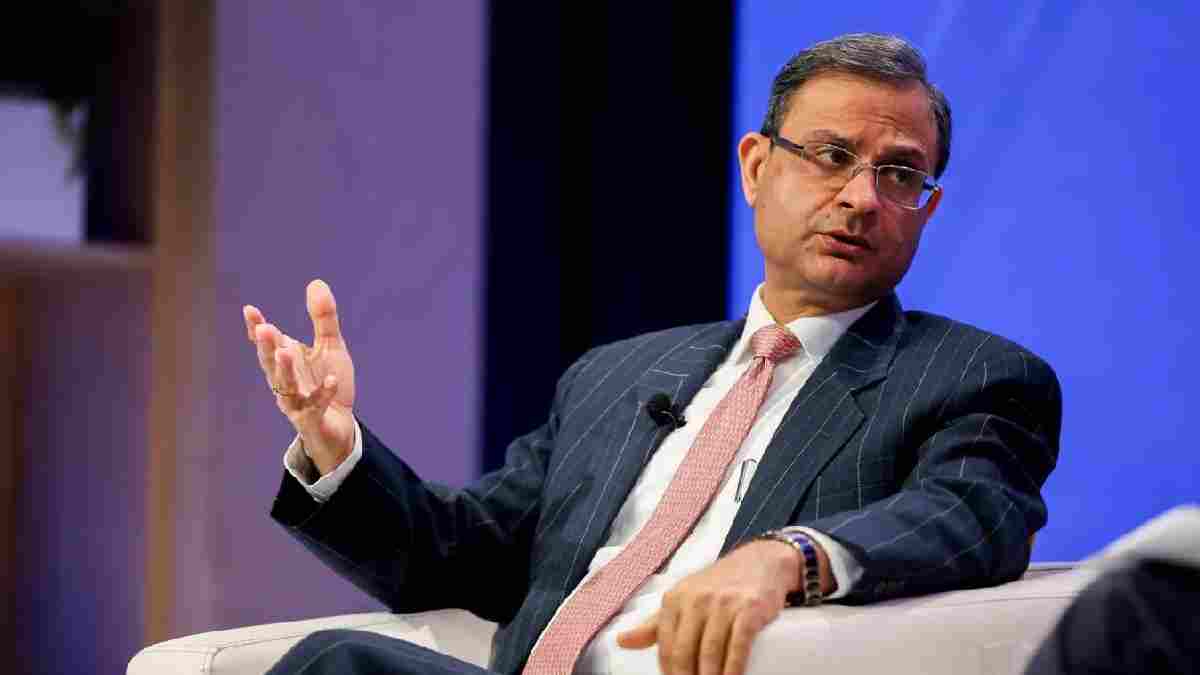
The Reserve Bank of India has not changed policy rates but increased food and fuel prices will put pressure on inflation and may be gradual.
Malhotra said that the recent rise in headline inflation is driven more by food and energy costs and not by broad price pressures across the entire economy. That means that, while consumers may notice higher prices for everyday essentials, inflationary pressures remain relatively contained in other sectors.
The governor said that “core inflation, which does not include volatile components such as food, fuel, and precious metals, is still benign.” This means that demand-driven inflation is still controlled and there is little evidence of widespread price increases across goods and services.
The RBI’s inflation in the first quarter of the year was slightly lower than the central bank’s projections. That was because businesses absorbed a portion of their higher input costs instead of passing them on fully to consumers. But the central bank is concerned that this trend might not be sustainable if food and fuel prices continue to rise.
🚨 WATCH | RBI Governor Sanjay Malhotra says headline inflation is expected to rise further in the near term and likely peak in the third quarter of the year, driven mainly by food and fuel prices, before moderating thereafter.
— Moneycontrol (@moneycontrolcom) August 5, 2026
He said core inflation, excluding precious metals,… pic.twitter.com/vxlmdNYJFA
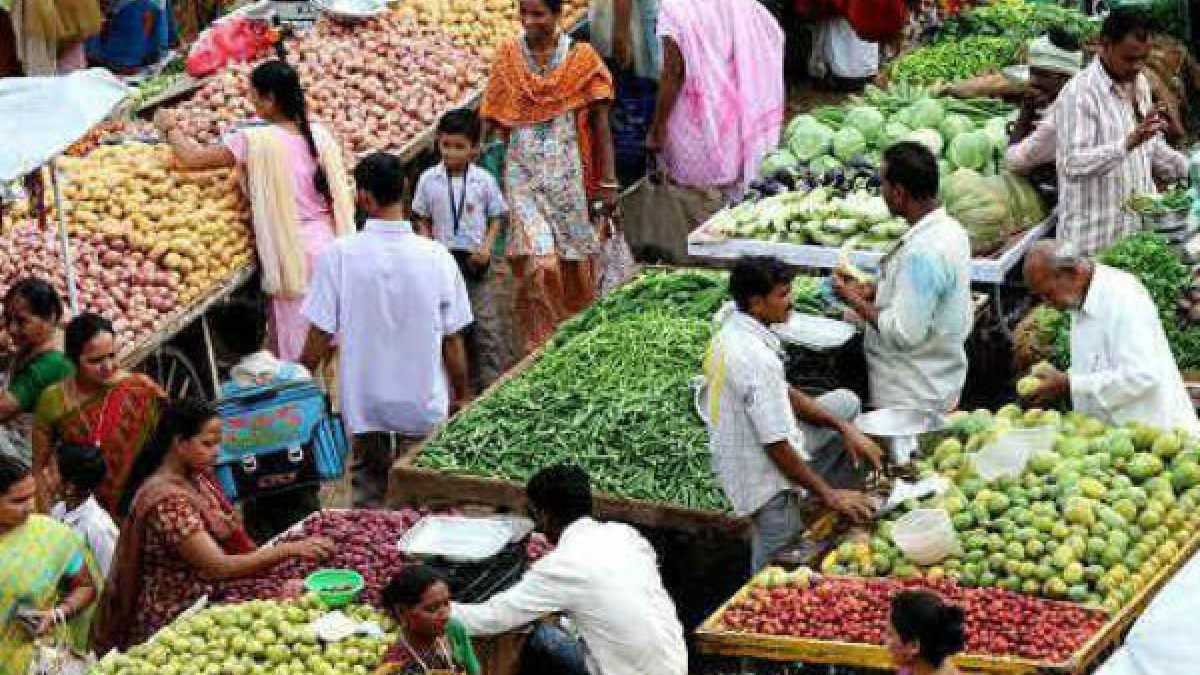
Food inflation is still one of the top challenges for policymakers. Uncertain weather and rainfall, supply chain issues and crop production fluctuations all have an impact on the prices of vegetables, pulses, fruits, cereals and other essential goods.
Similarly, higher fuel prices increase transportation and logistics costs and lead to higher grocery prices for consumers.
While these short-term increases in headline inflation will be sustained, the RBI is optimistic inflation can be moderated after the third quarter as supply conditions are improving and short-term shocks will dissipate.
In order to keep inflation in line with medium-term targets, the central bank is keeping a close eye on domestic and global developments.
Economists say that the RBI’s assessment reflects the continuing influence of supply-side factors on inflation. Food and fuel prices are affected by weather, global commodity markets, geopolitical developments and domestic supply conditions, unlike demand-driven inflation which can often be managed through interest rate changes.
For households, the RBI's outlook means grocery costs will remain high for the next few months and food items that depend on seasonal factors will remain volatile, and consumers will need to carefully consider their household budgets and how volatile the prices of all essential commodities will be until inflation starts to come down later in the year.
The RBI's new projection shows that inflation is not going to change but food and fuel prices will still determine India’s inflation trajectory going forward.