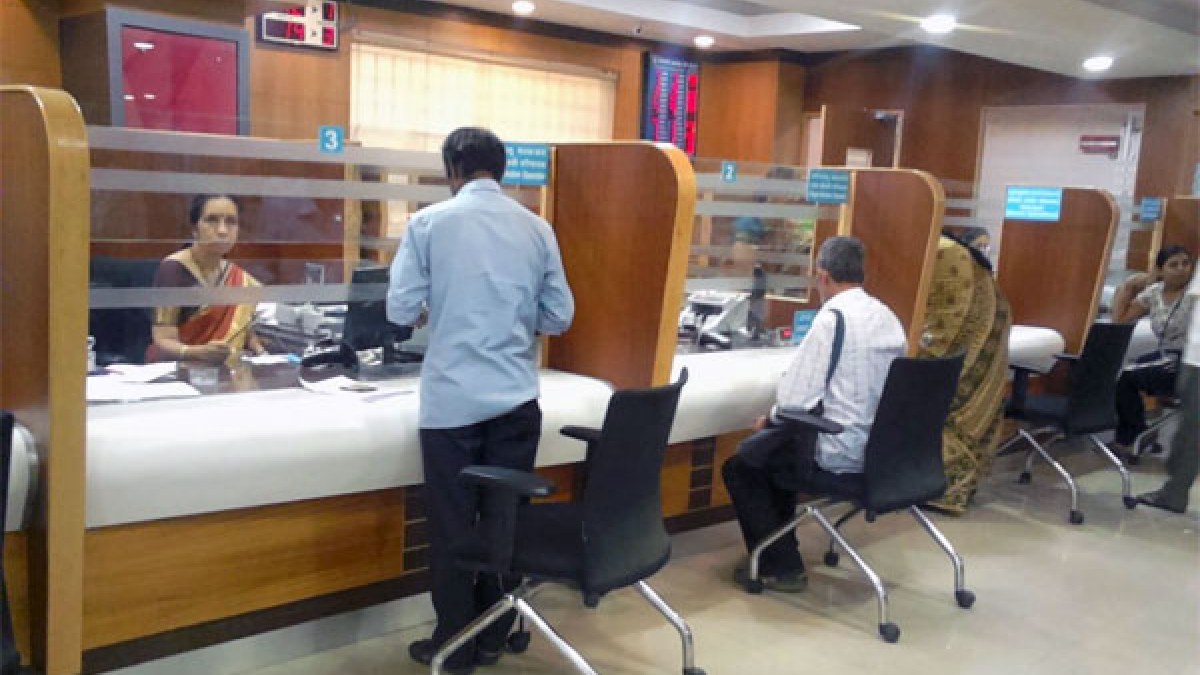
One recent incident in Karnataka highlighted already‑existing tensions, especially between speakers of Kannada and Hindi. The subject of the episode supposedly occurring in a local salon -- is open to debate and highlights to what extent language respect, culture, and communication problems in a multilingual society should be acknowledged. For many of its residents, this is not just one argument but rather the fundamental issue of how languages can coexist in modern life.

A customer, from reports, walked into a salon and inquired if someone could speak Kannada. The employees were Hindi speakers, and one supposedly reacted angrily, claiming Hindi was adequate because “this is India.” It got bad, with some rude people said to have spoken it to others. The customer felt insulted, and as a matter of course word spread and sparked online conversations around the ideas of language rights and respect.
Kannada speakers voiced their frustration, insisting that, in Karnataka, it is necessary to respect and understand the local language, particularly in such areas as public services and businesses. People believed that to throw Kannada away in its own backyard was an affront to local identity. Some, on the other hand, noted that India is a diversified nation, and many people migrate for work and travel along with their languages. This results in gaps in communication which may lead to confusion.
Community leaders and activists have urged for calm but also emphasized protecting Kannada’s dignity. They say that while multilingualism is India’s strong suit, local languages cannot be relegated to the sidelines. Calls for awareness campaigns, training of employees in basic Kannada, and more advocacy for linguistic cohesiveness are raised.
The incident reflects a broader one: how India’s linguistic diversity can at times breed friction. Debates have raged in Karnataka over the dominance of Hindi in signage, workplaces, and public spaces. For many Kannadigas, this is not to say they would reject Hindi, but rather an awareness to keep Kannada at the heart of their state. Mutual respect, education, and dialogue have to be among the tools used to prevent such situations, experts say.
The salon episode in Karnataka is an example of the delicate balance between diversity and unity. Social harmony lies, in this respect, not only in learning local languages but also a multilingual identity. Communities can use this kind of language learning and understanding to transform potential adversities into opportunities for mutual connection and respect.