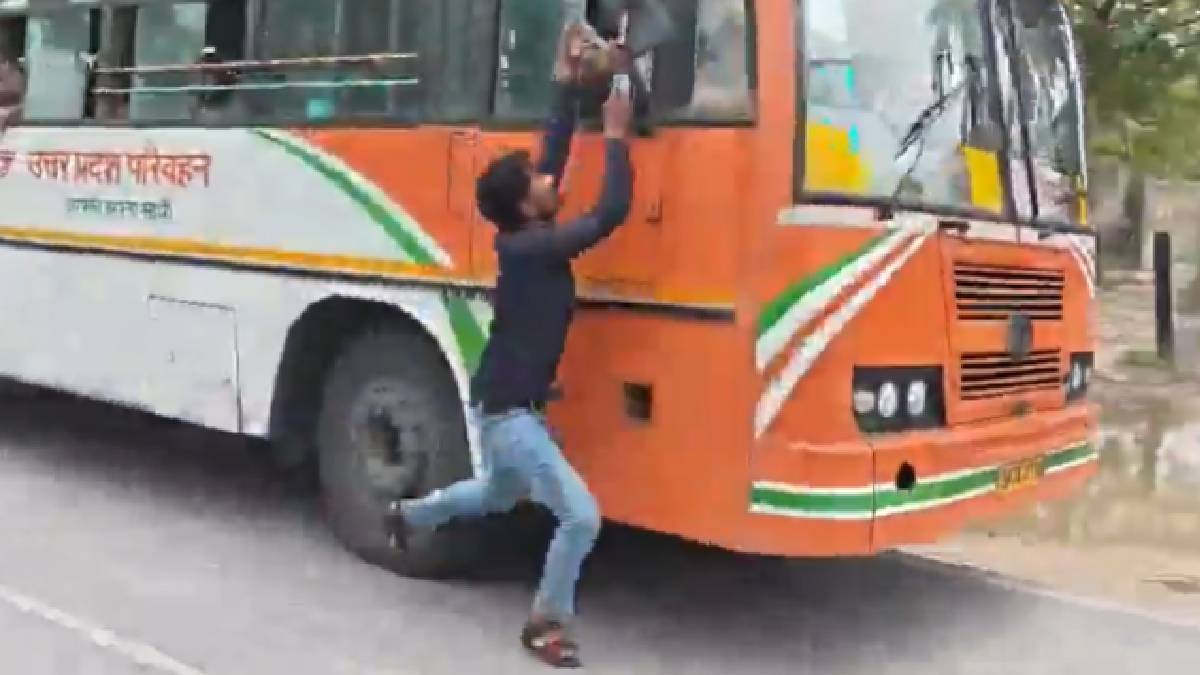
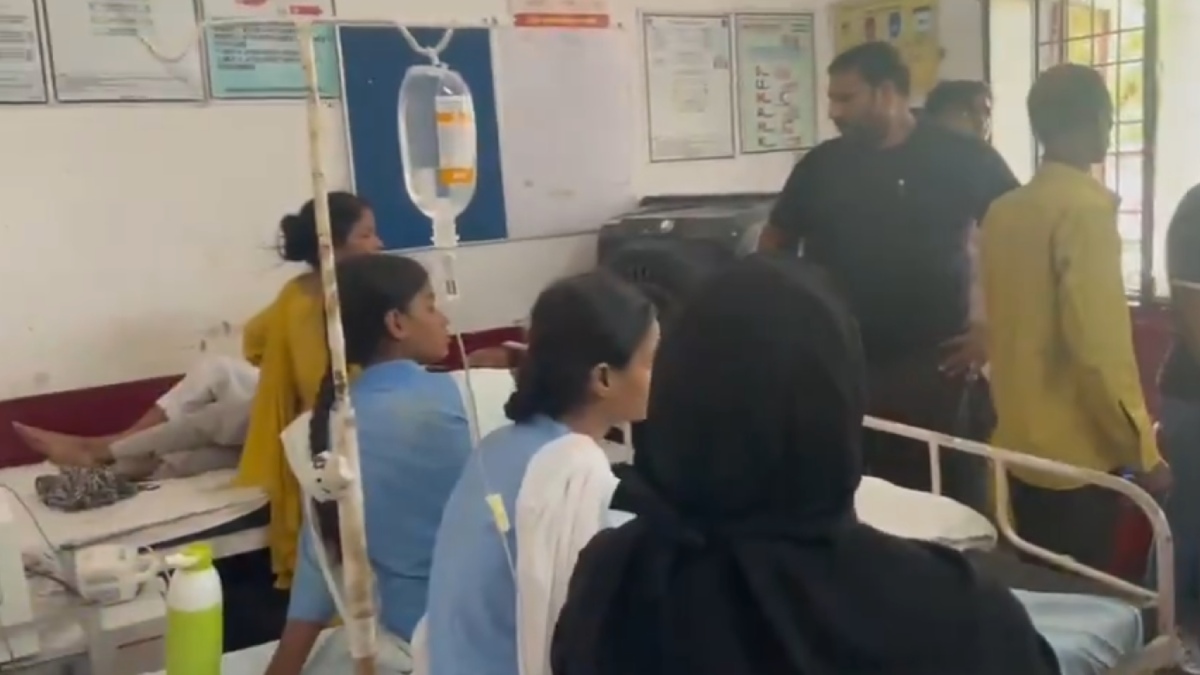
Several schoolgirls fell ill in the heat of day at a march in Uttar Pradesh in which they were in an outdoor programme because of the hot and uncomfortable weather and students' safety was raised.
Independence Day is marked by flag hoisting ceremonies, cultural programmes, patriotic performances, marches and other school activities. Children and young people are doing so regularly across India. Although these activities are a big part of school life and civic education, outdoor activity requires planning when the temperature is high.
In a report, schoolgirls who were in a march in Uttar Pradesh became ill after being exposed to the heat. Some of them fell ill, teachers, organizers and students in the crowd say. Local authorities and school officials would have to verify the exact number of students affected, their health condition and the specific reasons and circumstances of the incident.
But the incident has raised the issue ahead of Independence Day celebrations: children should be protected from excessive heat during outdoor activities. That is, students might spend extended time standing or walking or participating in marches and exposure to high temperatures can cause dehydration, dizziness, weakness and other heat-related symptoms.
Children may also be less likely to recognize or communicate early signs of heat-related illness. That makes adult supervision of them so important for outdoor events. Teachers and organisers should keep an eye on students closely when a day is particularly exposed to direct sunlight or the students are physically active.
The reported incident has also raised questions about the arrangements made for the march. Outdoor school programmes are more than just the route and timetable. Schools and local organisers need to take into account weather conditions, access to drinking water, shaded rest areas, first-aid facilities to be able to respond quickly if a student becomes ill.
Hydration is especially important in hot weather activities. Students participating in marches or outdoor performances should have access to drinking water before, during and after the programme. Breaks should also be added to the schedule to allow students to recover from heavy physical activity and hot weather.
Medical preparedness is also crucial. Large events or outdoor activities should be planned by schools so they provide an emergency response plan to students when they are ill— if they have dizziness, weakness, or fainting.
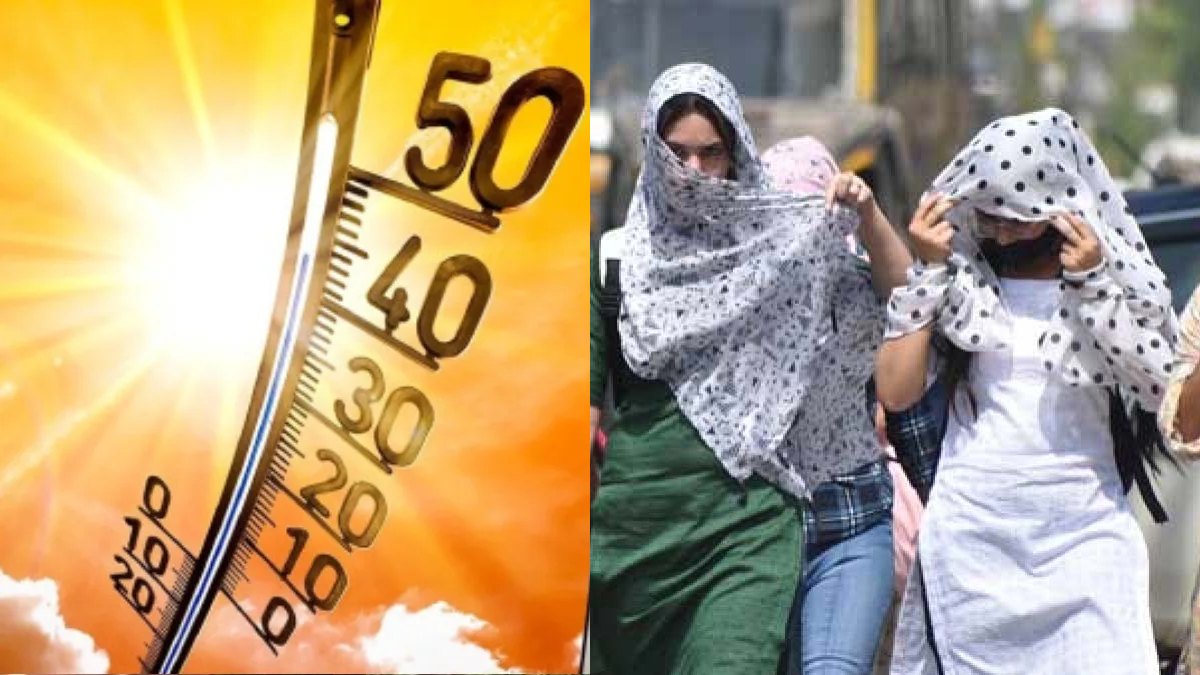
The reported Uttar Pradesh incident comes at a time when weather conditions in India are of course central to the decision on public events. August is the monsoon season in many parts of the country, but temperatures can be uncomfortable if humidity is high or the students are exposed to direct sunlight for many hours during the day.
Humidity may make the hot weather feel more uncomfortable as it reduces the body’s ability to cool itself effectively by sweating. Kids that are engaging in physical activities can therefore become exhausted more quickly than expected. School authorities need to take temperature and humidity into account when deciding whether an outdoor activity should proceed as planned.
The incident also raises questions about the timing of school marches. Early morning events are commonly favoured because temperatures may be lower at that time than later in the day. But even morning programmes can get uncomfortable if children are kept outside for extended periods or if there is not enough shade.
Schools can minimize risks by making outdoor programmes short and moving the students from shaded to open areas. Organisers can also make sure kids are not being made to stand for long periods.
Another important factor is clothing. Students who are involved in Independence Day events might wear uniforms or special clothing for marches and cultural activities. Some clothing can create discomfort in hot weather. Organisers should therefore consider whether students can comfortably participate in the planned activities under prevailing conditions.
Parents can also help prepare children for outdoor school events. Students are to drink water correctly, eat right and tell teachers when they start to feel dizzy, weak or unwell. If they have heat-related illness they should not feel they are being forced to continue participating and should be encouraged to stop.
Teachers and event organisers need to not treat fainting or severe discomfort as a minor issue. If there is an outdoor activity and the student suddenly gets sick then they must take action and move the student into a cooler or shaded area and arrange a medical assessment.
The incident also illustrates the larger task of educational institutions to balance participation with safety. Independence Day activities would promote patriotism and teach students the history of the country and democratic values. But they should not sacrifice children's welfare.
Outdoor celebrations can still be safely conducted with proper planning. Schools can schedule shorter marches, schedule activities during cooler periods, give frequent water breaks and make sure medical help is readily available. If weather conditions are not suitable, the programme may be modified or some activities may be held indoors.
The incident in Uttar Pradesh is likely to trigger new discussion about the safety of school events. Participating in national events is a good thing, but the health of children should be at the forefront of school and local administration and event organisers.
Independence Day 2026 will see schools across India organise programmes to mark the country's 80th Independence Day. Millions of students are expected to join flag hoisting ceremonies, cultural events, speeches, parades and other activities. With children involved, even routine programmes should have safety precautions.
The reported fainting incident serves to remind the organisers that weather conditions are relevant when planning such events. Organisers can monitor local forecasts and adjust schedules in response to such weather conditions and not just by traditional timings. Adequate drinking water, shade, rest areas and first-aid arrangements will also reduce the risk of heat-related problems.
Students are also supervised throughout the programme. Teachers should know which students need more attention and should have a system to locate and assist children who are separated from their groups or have health issues.
Although the incident took place in schoolgirls, safety issues are real for all students in outdoor activities. Boys, girls, younger children and older students can all be affected by heat and dehydration in an event. So event planning should not be limited to one group but should be about the wellbeing of every participant. And school management will consider the circumstances of the incident and decide if more are needed. If the students needed medical attention, their recovery and wellbeing should be the first priority.
बाराबंकी जिले के सतरिख स्थित राजकीय बालिका इंटर कॉलेज में गुरुवार सुबह भीषण गर्मी और उमस के चलते बड़ा हादसा होते-होते बचा। सुबह की प्रार्थना सभा के दौरान भीषण गर्मी और दमघोंटू उमस की वजह से करीब डेढ़ दर्जन (15 से अधिक) छात्राएं अचानक अचेत होकर जमीन पर गिर पड़ीं। एक के बाद एक… pic.twitter.com/OM8APd9abn
— Arjunsingh800 (@arjunsingh800) August 13, 2026
In what ways does this incident teach schools for future outdoor programs? Our national celebrations need to be meaningful, memorable and educational and not subject students to uncomfortable or unsafe conditions. Good scheduling, hydration, supervision and emergency preparation to keep celebrations positive are important.
As Independence Day nears, schools across Uttar Pradesh and other parts of India are about to finalise their programmes. What the recent incident tells us is that patriotism is only as good as its actions and the nationalistic atmosphere should be managed to a certain extent.
Finally, the safety of students should be at the heart of every school celebration. Independence Day is a day for students to learn, to come together and to celebrate. Schools are able to ensure that these events honour the spirit of the occasion while also protecting the health and well-being of the children who are involved.