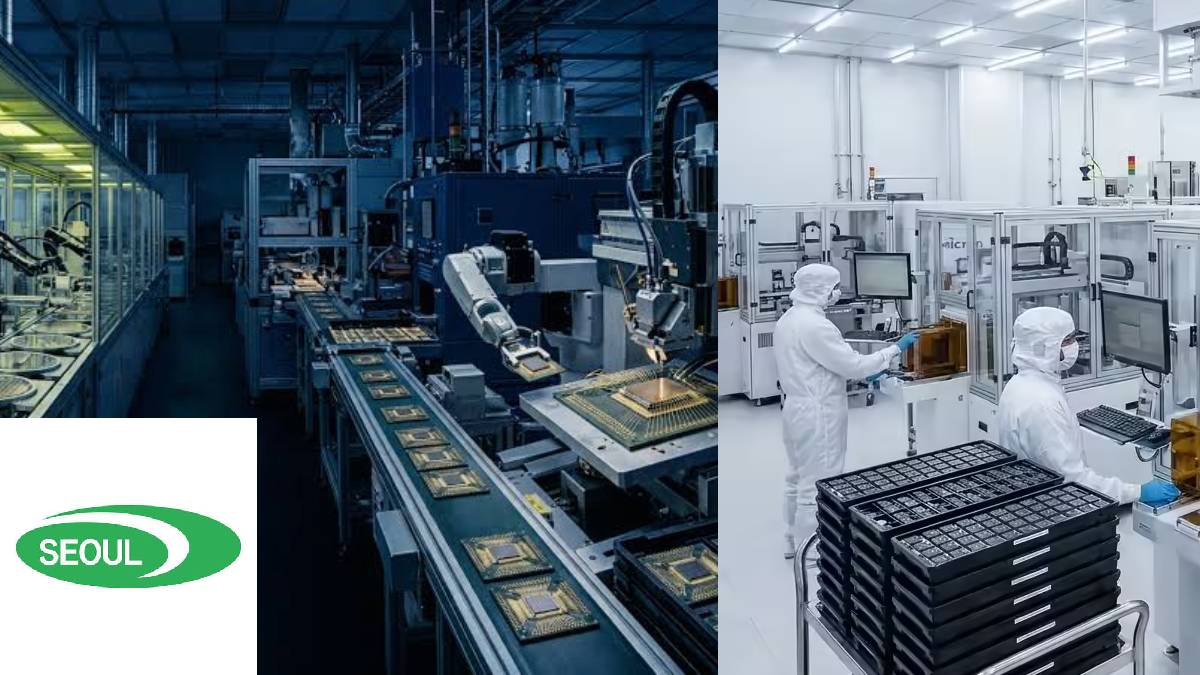
New Delhi: India’s strong position in the global semiconductor industry has increased rapidly as companies push for more robust and diversified supply chains.
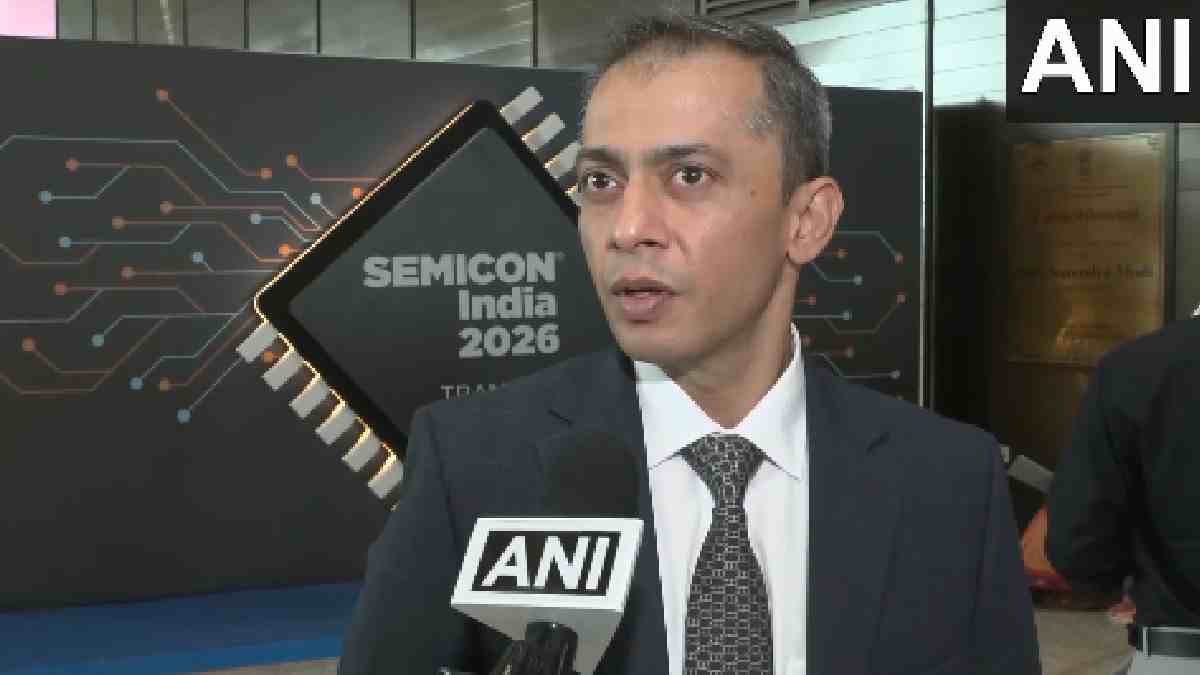
Ankush Wadhera, Managing Director and Partner at Boston Consulting Group (BCG), told SEMICON India 2026 about the strategic opportunity for India in this rapidly changing world of supply chains.
Wadhera also pointed to Prime Minister Narendra Modi’s remarks at the event, in particular that “supply chains are increasingly being weaponised.”
Wadhera notes that this is creating an important opening for India, given the country’s global geopolitical and business position.
He said India’s ability to strengthen and diversify global supply chains is becoming more distinctive. For a strategically important sector such as semiconductors, that could make more international companies consider working in the country.
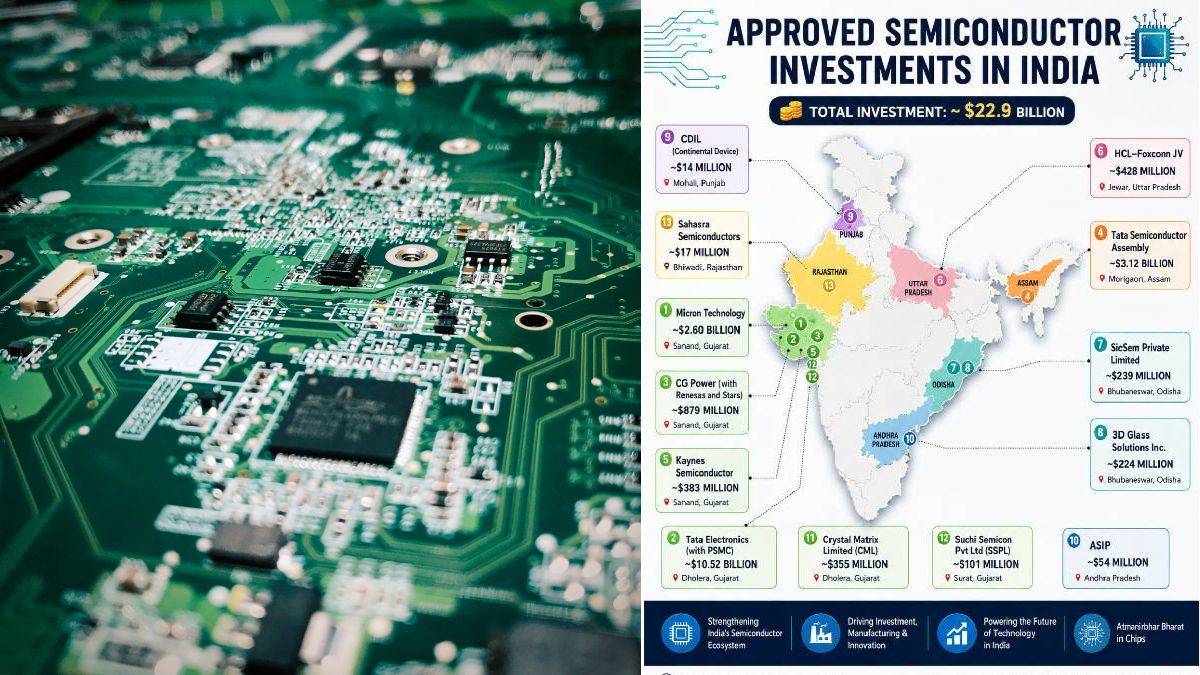
Semiconductors are the basis of many industries, including automobiles, consumer electronics, telecommunications, artificial intelligence, defence, and advanced computing. If chips are disrupted, industries and economies will be disrupted.
The comments come as India is expanding its semiconductor ecosystem through investments, government incentives, and partnerships with global companies.
#WATCH | Delhi: On SEMICON India 2026, Managing Director and Partner at Boston Consulting Group (BCG), Ankush Wadhera says, "The Prime Minister touched upon many important aspects, but the point that stuck with me... was that 'supply chains are increasingly being weaponised'.… pic.twitter.com/xdalktoIE6
— ANI (@ANI) September 18, 2026
At SEMICON India 2026, the government has outlined the next phase of its semiconductor strategy, with Semicon 2.0 receiving a budget outlay of ₹1.275 lakh crore.
The programme centers around chip design, manufacturing, packaging, research and development, and talent development.
Modi also stressed the importance of resilient supply chains in his SEMICON India address. He said India’s progress in a critical industry such as semiconductors could strengthen the global supply chain, especially at a moment when supply chains are under increasing strategic pressure.
The SEMICON India 2026 edition will bring together companies, policymakers, investors, researchers, and other stakeholders within the semiconductor industry.
The event will focus on the whole value chain of semiconductor development, fabrication, assembly and testing, packaging, equipment, materials, and electronics systems.
Global firms are also getting more interested in India. Applied Materials, for instance, is going to invest $5 billion in India over the next decade, with research, supply chain development, and workforce expansion as part of its new investments and expansion plans.
Wadhera’s comments also shed light on a larger business case that is starting to emerge around India’s semiconductor ambitions.
As companies reassess manufacturing locations and reduce concentration risks, India is positioning itself as another destination in the global semiconductor network.
Now the challenge is to convert this increasing international interest into sustained manufacturing capacity, technology development, skilled talent, and a deeper domestic supply chain.
With SEMICON India 2026 bringing global industry stakeholders together, the country’s semiconductor push is moving into a phase focused more on execution and ecosystem development.