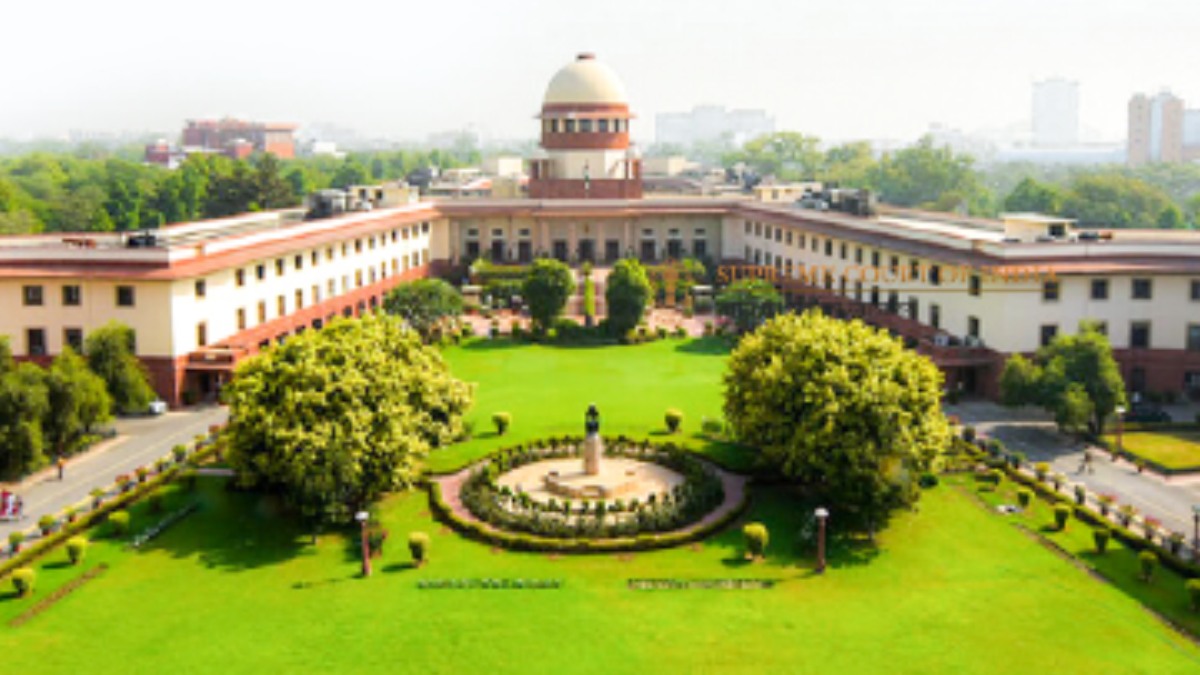
The Supreme Court has agreed to hear a DMK leader, Senthil Balaji’s plea against the Madras High Court’s decision to refuse him anticipatory bail in connection with the TASMAC case registered by the Directorate of Enforcement (ED).
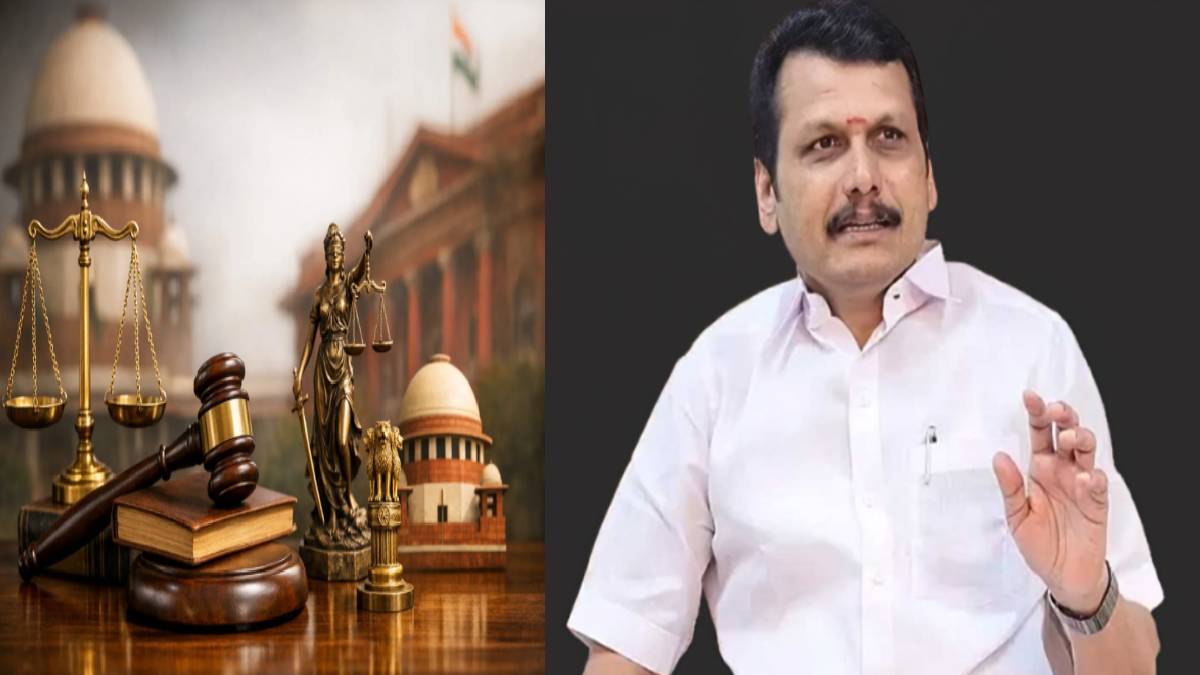
The matter was presented before a bench of Chief Justice of India Surya Kant and senior advocates Mukul Rohatgi and Kapil Sibal. The Supreme Court took up the case and is due to hear it tomorrow.
The development marks the most recent legal step in the case of the senior DMK leader who has approached the apex court seeking protection from arrest after the Madras High Court declined to grant anticipatory bail.
Balaji’s petition challenges the High Court’s order and seeks intervention by the Supreme Court. The arguments before the Supreme Court will be on the grounds on which the High Court rejected the request for pre-arrest bail and the reasons cited by Balaji in seeking judicial protection.
Anticipatory bail is a legal remedy that allows a person who apprehends arrest in a non-bailable case to seek protection from a court. If granted, the relief generally ensures that the person will be released on bail in the event of arrest, subject to conditions imposed by the court.
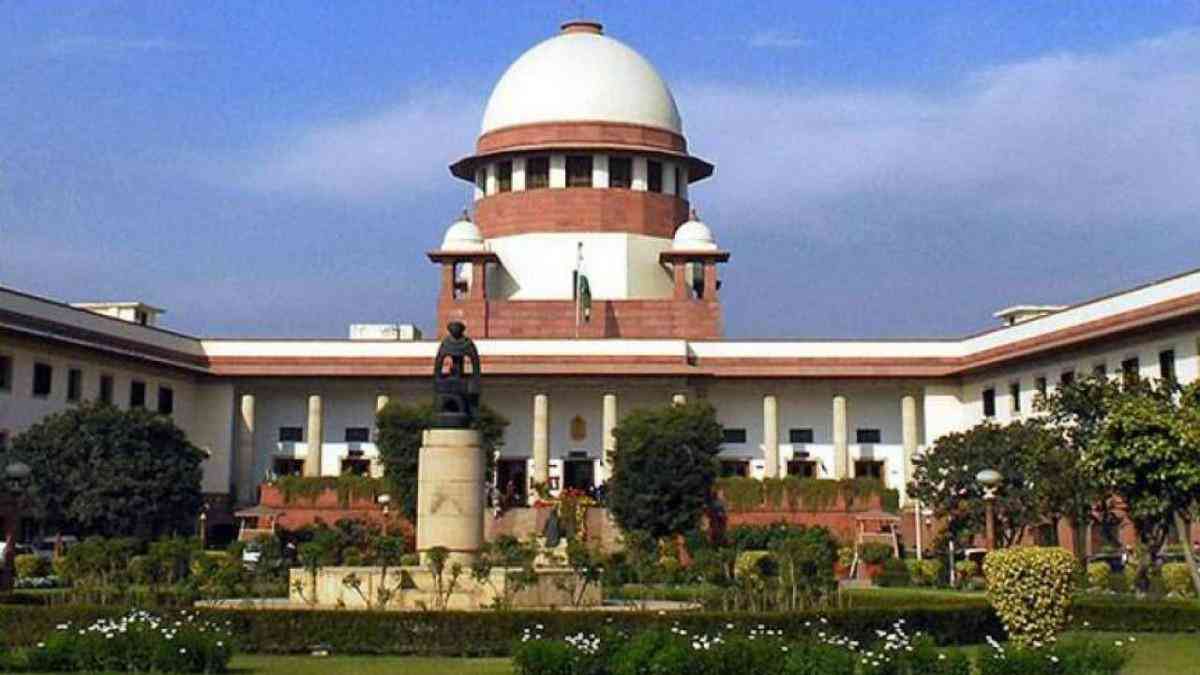
The Supreme Court’s decision to hear the plea does not amount to the grant of anticipatory bail. Balaji’s legal team will then consider the responses of the Enforcement Directorate before deciding whether any relief should be provided.
The TASMAC matter has attracted significant political and legal attention because of Balaji’s position as a prominent leader of Dravida Munnetra Kazhagam (DMK) and the allegations surrounding the state-run Tamil Nadu State Marketing Corporation.
TASMAC is the Tamil Nadu government-owned corporation for wholesale and retailing of alcoholic beverages in the state. The Enforcement Directorate studied allegations of financial irregularity and transactions involving the company.
The legal proceedings have also become the focus of the political debate between the DMK-run Tamil Nadu government and opposition groups. The DMK has also questioned the conduct of central investigative agencies, and the ED has maintained that it is conducting its investigations within the legal framework.
The Supreme Court hearing is expected to focus specifically on Balaji’s plea for anticipatory bail and the Madras High Court’s decision refusing such protection.
Mukul Rohatgi and Kapil Sibal raised the issue before the bench of CJI Surya Kant, asking for an early hearing. The court agreed to bring it to the court for consideration on the following day.
The appearance of two senior lawyers underlines the legal significance being attached to the matter by Balaji’s side.
During the hearing, the court would consider a number of factors common in anticipatory bail cases. These can be the nature and seriousness of the allegations, the stage of the investigation, the need for custodial interrogation, the potential for cooperation with investigators and concerns about evidence or witnesses.
The court may also take into account the reasoning of the Madras High Court when it refused relief. But no conclusion on the merits of the case can be drawn from the Supreme Court being willing to hear the plea.
The Enforcement Directorate is expected to present its position before the Supreme Court. The agency can oppose the request or place relevant information regarding the investigation before the bench.
The Supreme Court may grant relief, issue notice, seek a response from the ED, pass an interim order or defer the matter for further consideration. The outcome will depend on the content of the hearing and the court’s consideration of the facts and legal issues.
The case will be closely watched in Tamil Nadu for political and legal implications. Balaji is still a prominent member of the DMK, and controversies have frequently come up around him, a public and political face of DMK politics.
For now, the Supreme Court has agreed to hear the challenge against the Madras High Court’s refusal to grant anticipatory bail. The hearing on Thursday is expected to provide more clarity on whether Balaji will receive interim protection or any other relief.
The proceedings will also determine the next phase of the legal fight in the TASMAC case, and the allegations and investigation will also be subject to judicial scrutiny and due process.