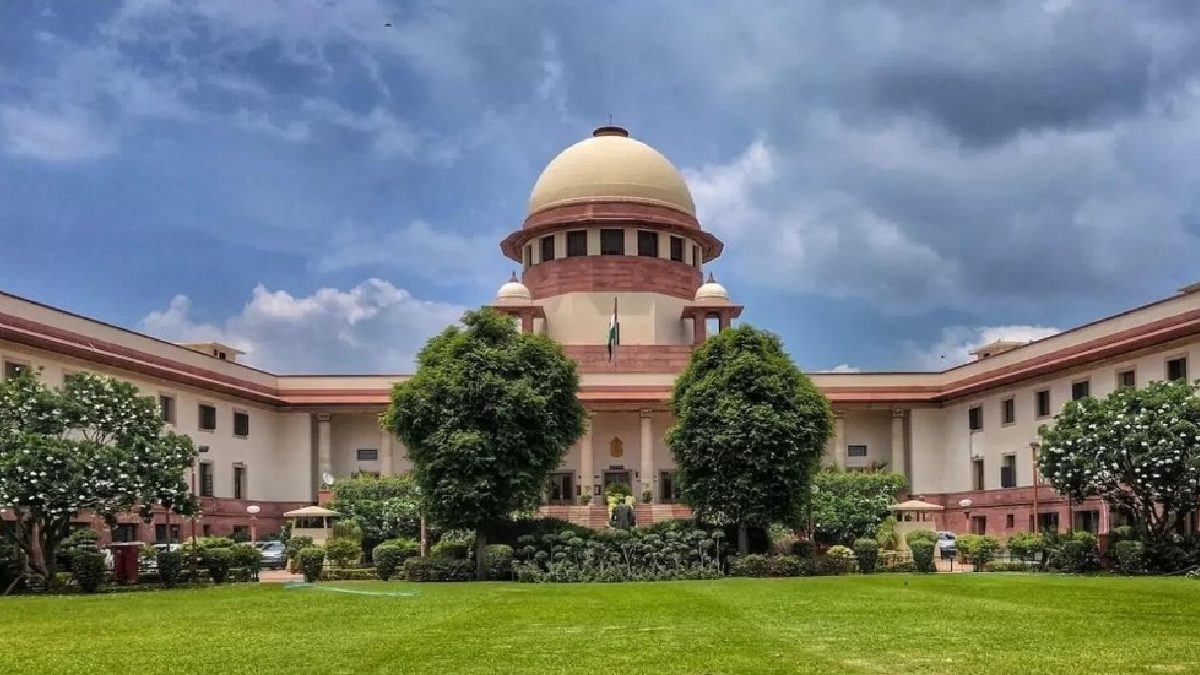
The Supreme Court of India has asked state governments to consider increasing the retirement age of judicial officers from 60 years to 61 years, an action that will help to address persistent vacancies in the subordinate judiciary and enhance the efficiency of the country's justice delivery system.
The recommendation comes in a context of ongoing efforts to strengthen judicial infrastructure, reduce case backlogs and ensure that experienced judicial officers remain in service for a longer period.
The Supreme Court pointed out that extending the retirement age by one year could be immediately helpful for the judicial system, particularly in the states with a shortage of judges. The backlog of cases is huge and there are still millions of civil and criminal matters before courts in this country. If experienced judicial officers are retained for an additional year, the continuity of judicial administration is strengthened and new appointments are completed.
The court's direction is advisory in nature; states are expected to look at the proposal and make the appropriate decision based on the service rules and legal system on which it is based. Since service conditions for members of the subordinate judiciary must be determined by state laws, each state government would need to consider the recommendation before making any changes.
Legal experts said the proposal would have several benefits. Experience in court, legal and administrative knowledge of experienced judicial officers, and experience in dealing with complex cases. The extension of their serving will keep institutional knowledge alive and the vacancy of retirees will be less on the horizon.

Judicial vacancies are a concern for both the judiciary and policymakers. District and subordinate courts are said to account for the majority of pending cases in India as district and subordinate courts are the first point of contact for most litigants and deal with civil disputes, criminal trials, family matters, property cases, commercial litigation, and many more legal processes. Lack of judges at this level can seriously impact the speed and efficiency of the justice delivery on the court’s level.
The Supreme Court has repeatedly reminded the public about the importance of filling judicial vacancies in a timely manner. It has also pushed for closer cooperation between the judiciary and state governments to improve recruitment processes, court infrastructure, and modernize judicial administration via technology. Raising the retirement age is among several measures that could help ease the burden on the courts.
Supporters say a year’s service would allow judicial officers to continue to learn and also to have a mentor program for the newer judges who will be coming into the system. Many other public institutions have reviewed retirement policy in the face of changing workforce needs and an increasing life expectancy, they say.
At the same time, some experts have said that increasing the retirement age alone cannot solve the broader issues of the judiciary. States need to continue to conduct regular recruitment inspections, train judges, and develop digital infrastructure and court systems to ensure that courts are functioning properly, they say. Happening at the right time, being better at case management, and implementing technological developments is needed to maintain and improve judicial effectiveness, they say.
This recommendation is also likely to trigger discussions among state governments, judicial bodies, and legal scholars in terms of the practical impact of the proposed policy. Budgetary allocations, pension liabilities, workforce planning, and state-specific service guidelines could affect how different states take up the Supreme Court’s suggestion.
We are seeing that judicial reforms remain a very important issue in India and we are still trying to address the matters. In recent years we have seen virtual court hearings, e-filing systems, digitization of court records, and reduction in pendency in our judicial system work to make the system more user-friendly and efficient. Human resources capacity of the judiciary is another major part of those reforms also very much needed.
Citizens, legal practitioners, and businesses all rely on an efficient justice system that resolves the conflict within a reasonable time. People who are seeking justice are affected by the delays in court processes and by economic activity, commercial transactions, and investor trust. Therefore, measures that enhance judicial capacity are seen as social and economic.
If the states do opt for the recommendation, the retirement age extension can bring temporary relief in the form of experienced judiciary officers and will allow for longer-term recruitment. But the impact will ultimately be on the basis of how the proposal is implemented in conjunction with other judicial reforms.
The Supreme Court’s recommendation also reflects the continuing focus of the court on the subordinate judiciary, which is important to the delivery of justice at large for millions of Indian citizens. As state governments discuss the recommendation, the discussion will come to the fore in the larger discussion of judicial reform and the future of the Indian justice system.