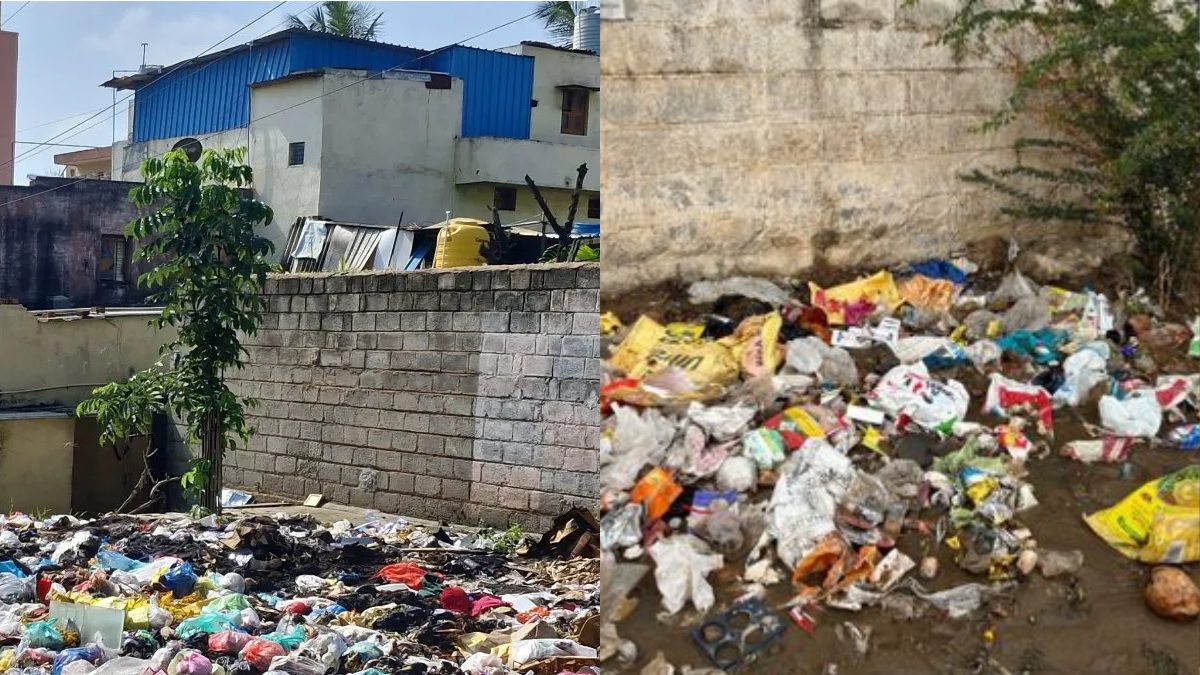
The town of Siwan has recently been seen to be experiencing a profound sanitation crisis. Videos spreading on social media show that there are masses of uncollected waste dumped all over the streets, sparking outrage among residents and fueling frustration and fears of a public health catastrophe.
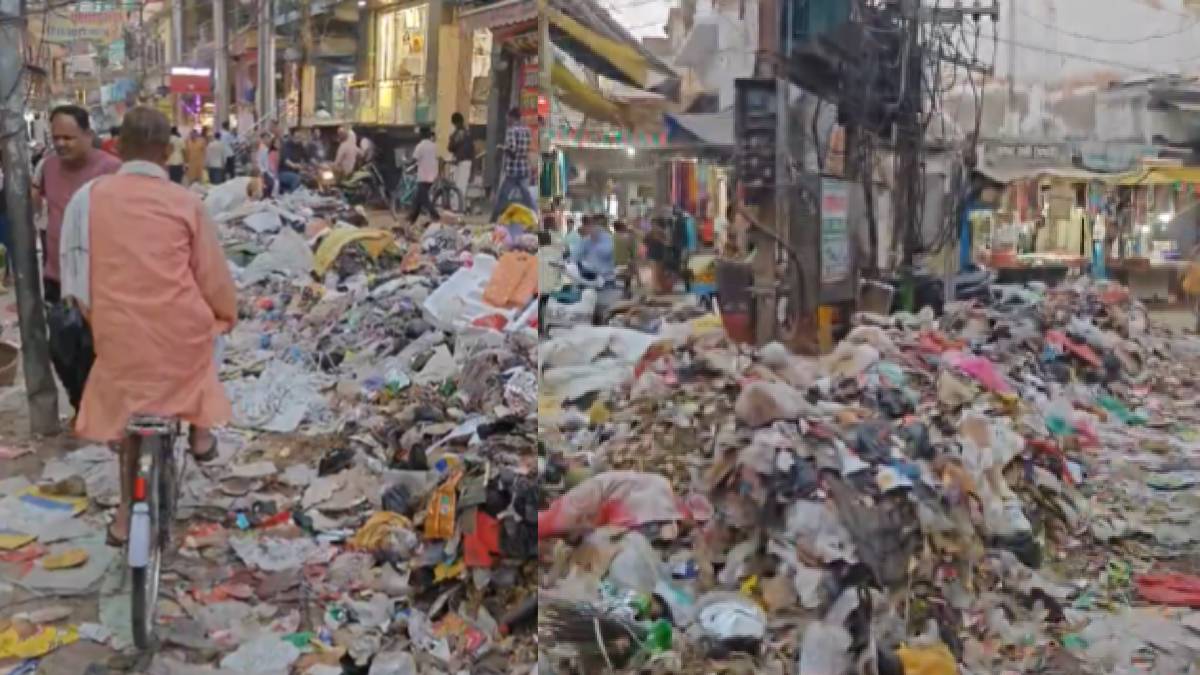
The matter becomes politically charged because the local MLA Mangal Pandey is the Bihar Health Minister. In this essay, I propose to introduce a policy intervention to deal with these issues first-aid, public health needs and the health impact of litter. Garbage has been accumulating at Siwan’s markets, the city’s residential districts, and public spaces at Siwan for days, strewn across the surface of Siwan’s streets and markets.
It’s disturbing to see garbage pouring into the streets: the view of so much trash in garbage bins and sewage overflowing has made citizens concerned about the spread of disease, especially when temperatures have begun to climb. In the immediate aftermath, residents have reported conditions that are unbearable with unsanitary smell and an unhygienic environment creating a difficult environment to live in.
The crisis reportedly started after municipal sanitation workers went on strike for unpaid wages. Since garbage collection had shut down, the garbage piled up all over the town in no time at all. The timing of the strike compounded the issue because it fell in the time frame of preparations for the Holi festival, which often has public gatherings.
Residents have voiced anger and disappointment, questioning how such a situation could befall under the health minister’s watch. Social media posts have also heightened the criticism, describing the crisis not only as a civic failing but as a public health disaster in the making. A lot have also pointed out the irony that the health supervisor at the state level is also having a sanitation crisis occur in his local constituency.

This incident illustrates the precarious condition of civil services in smaller towns, where wage negotiations or administrative shortfalls can easily devolve into a broad crisis. There is also the question of political accountability, where leaders are supposed to ensure basic health and sanitation standards on the street. Siwan regards the rubbish piles as more than just a headache; there's an obvious risk that there will be disease outbreaks.
Resolving the strike and restoring garbage collection will require authorities to act quickly. Maintaining prompt payment of sanitation workers and enhancing municipal systems are essential to ensure that such crises do not occur again. And for residents, the urgent hope is that the waste will be cleared before it makes the entire population ill.
Siwan’s garbage crisis is another grim example of how civic failure has ballooned into public health risk. So while the town sits on its hands and listens for action, the incident has already ignited a broader debate over governance, accountability and the essential role sanitation plays in public safety.