On the Bihar‑bound Satyagrah Express, liquor bottles started falling after a part of the panel above the washroom collapsed. Passengers and railway officials were shocked when they opened the train structure to see bottles hidden inside, revealing one of the most common routes of smuggling alcohol into Bihar.
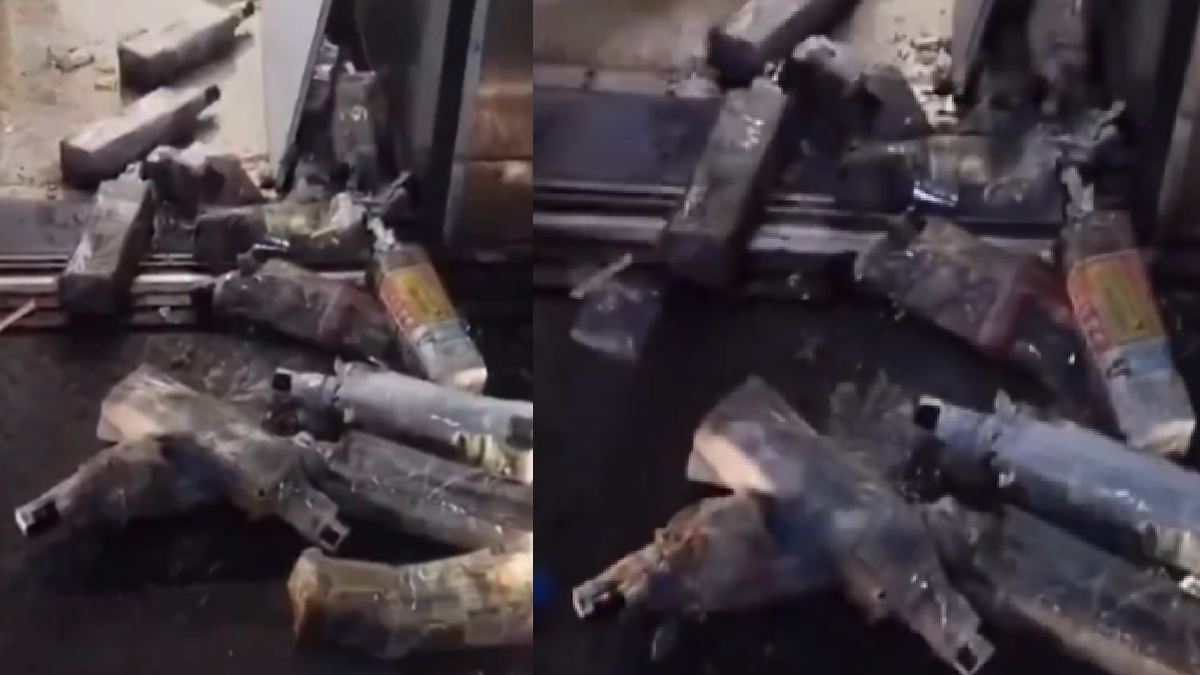
Bihar has had total prohibition since 2016 under the Bihar Prohibition Act. That means sale, consumption, and transport of alcohol is completely banned. Despite the laws being very strict, smugglers still find creative ways to move liquor into the state. Trains have become one of the most common routes for trafficking.
The officials explained that traffickers tend to hide bottles in washroom panels, in the ceilings, and luggage compartments. When the panel in the Satyagrah Express collapsed, the bottles rained down, revealing the hidden stash. The RPF and Government Railway Police (GRP) immediately seized the liquor and began investigating the case.
It’s not the first time such an incident has been reported. A decade ago, liquor was found in train panels, trolley bags, and even under seats in some raids. Smugglers exploit a crowded railway and long routes to have a high number of passengers in trains, which makes it difficult for authorities to see every compartment.
Such dangers are real. Smuggled liquor not only violates the law but also fuels unsafe drinking practices. In Bihar, hooch tragedies caused by consumption of illicit liquor have resulted in many deaths. Prohibition is a means to curb alcoholism and protect families, but smuggling is at odds with these objectives.

Railway officials have promised stricter checks on trains entering Bihar. Random inspections, scanners, and intelligence‑based raids are planned to stop traffickers. Passengers will also be advised to report suspicious activity.
The incident in Satyagrah Express shows that prohibition needs to be monitored. Smugglers may find new hiding places, but officials will need to be better prepared. More importantly, we need the people to be aware so that demand for illicit liquor decreases.
Bihar’s dry law is a social experiment with mixed results. But one thing is clear: hiding liquor in train panels is not just a crime, it is a threat to public safety. The collapse of the Satyagrah Express has exposed the lengths to which traffickers go and why strict action is necessary to protect lives and uphold the law.