India’s rapidly growing private space sector has become an exemplar of innovation, and one of its most inspiring stories is Skyroot Aerospace—the Hyderabad-based startup behind the world's first privately built rocket that has already taken shape. And a related achievement is also remarkable: The average age of the Skyroot Aerospace team is only 28 years.
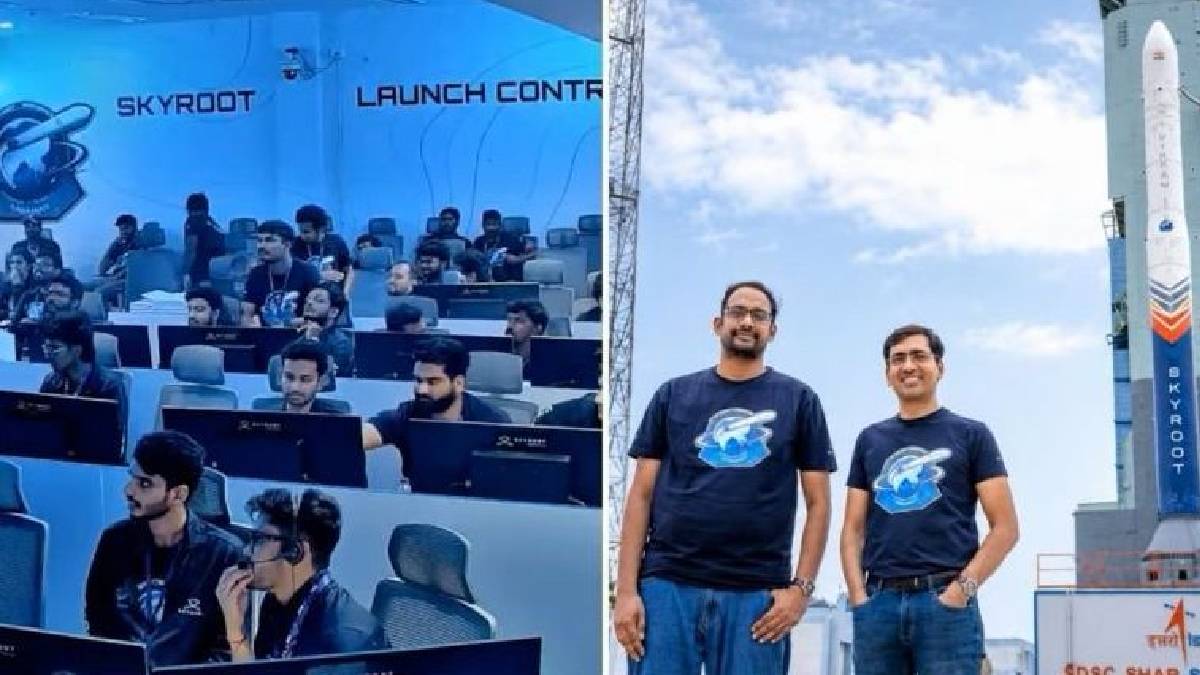
The young workforce is just one of the ways these emerging young engineers, scientists and innovators are transforming India’s space ecosystem. Their success is proof that emerging ideas, technical know-how and entrepreneurial drive in space technology are making India a world space technology leader.
Skyroot Aerospace made history in November 2022 when it successfully launched Vikram-S, India’s first privately built rocket. It is the first time that the Indian space industry can be a major player of private companies in space exploration and satellite launch services in combination with ISRO (Indian Space Research Organisation).
The successful launch was made possible by a team of engineers and professionals with an average age of 28, a very young and talented group in India. Through propulsion systems, avionics, software, structures, manufacturing and mission operations, they developed advanced technologies that were just the right kind for spaceflight in the modern age.
India’s space sector has undergone a dramatic change over the last few years as the government has made sector reforms in government policy that have brought on private participation in India’s space sector. The establishment of IN-SPACe (Indian National Space Promotion and Authorization Centre) and policy changes to support startups have helped companies such as Skyroot Aerospace to enter the global commercial space market with a high level of innovation and competition.
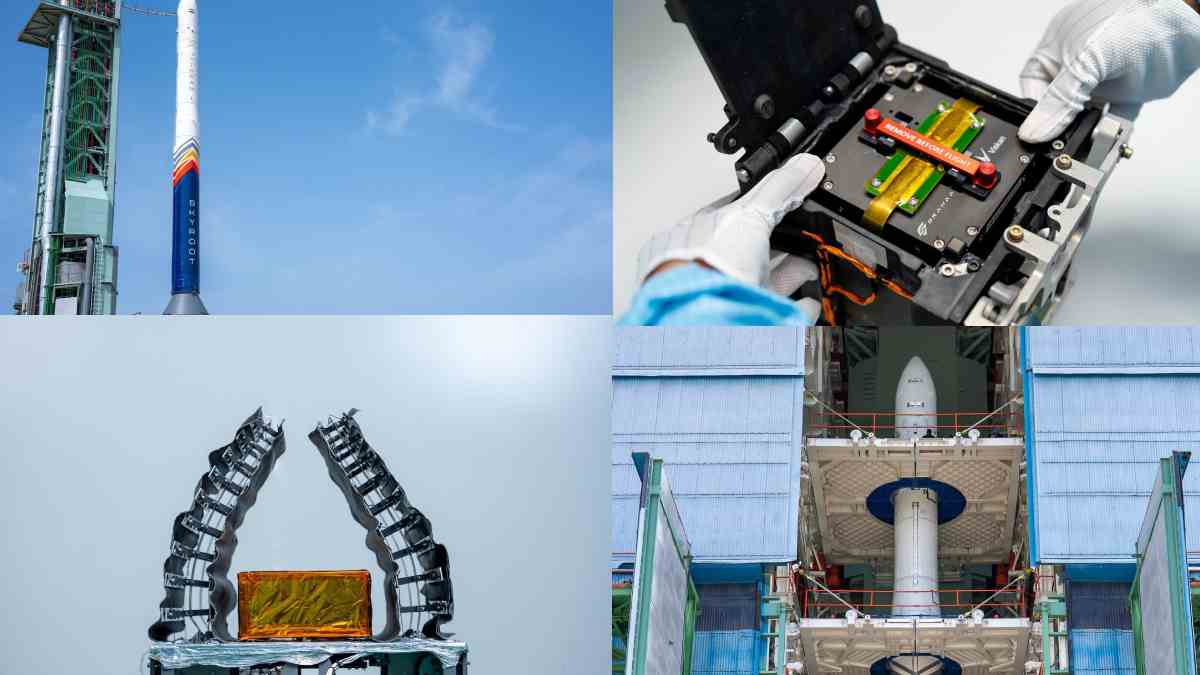
Young startups are now developing launch vehicles, satellite technologies, propulsion systems, earth observation services, and space-based applications. And so, that has created an ecosystem of engineers, researchers, and entrepreneurs who are working on cutting-edge technologies.
Skyroot’s achievement is especially significant as building a launch vehicle takes a lot of technical experience in different engineering disciplines, testing and manufacturing, and a lot of testing, precision manufacturing, and high-quality standards. The team’s success shows that age is not a barrier to solving some of the world’s most complex technological challenges.
The startup’s long-term vision goes beyond suborbital launches. It is developing the Vikram series of orbital launch vehicles that can carry small satellites to different orbits on Earth. With the demand for satellite launches growing around the world, private Indian companies are going to become more crucial in serving commercial customers.
The success of young companies like Skyroot Aerospace can also motivate students from India to pursue careers in aerospace engineering, robotics, artificial intelligence, advanced manufacturing, and space sciences. Universities and research groups are seeing a growing interest in space engineering as the private space industry in India is growing.
Industry experts believe that India’s combination of engineering talent, cost-effective innovation, and a supportive policy environment will propel the country to become one of the world’s leading space economies in the next few decades. Young professionals will still play a vital role in this evolution.
With an average team age of only 28 years, Skyroot Aerospace is more than a startup: It is proof of a new generation of people who are determined to push India's technological boundaries. As the company prepares for future missions, its young workforce, in its own right, is a voice of inspiration to the rest of the country towards becoming a world leader in the space sector.