The sugar price in India has risen sharply in the last month, with the average all-India retail price climbing by nearly 29 per cent, forcing the Centre to tighten rules governing raw sugar imports. The government has set a timetable for importers to refine and sell imported raw sugar in the domestic market so that more supplies reach consumers fast and are not held back in warehouses.
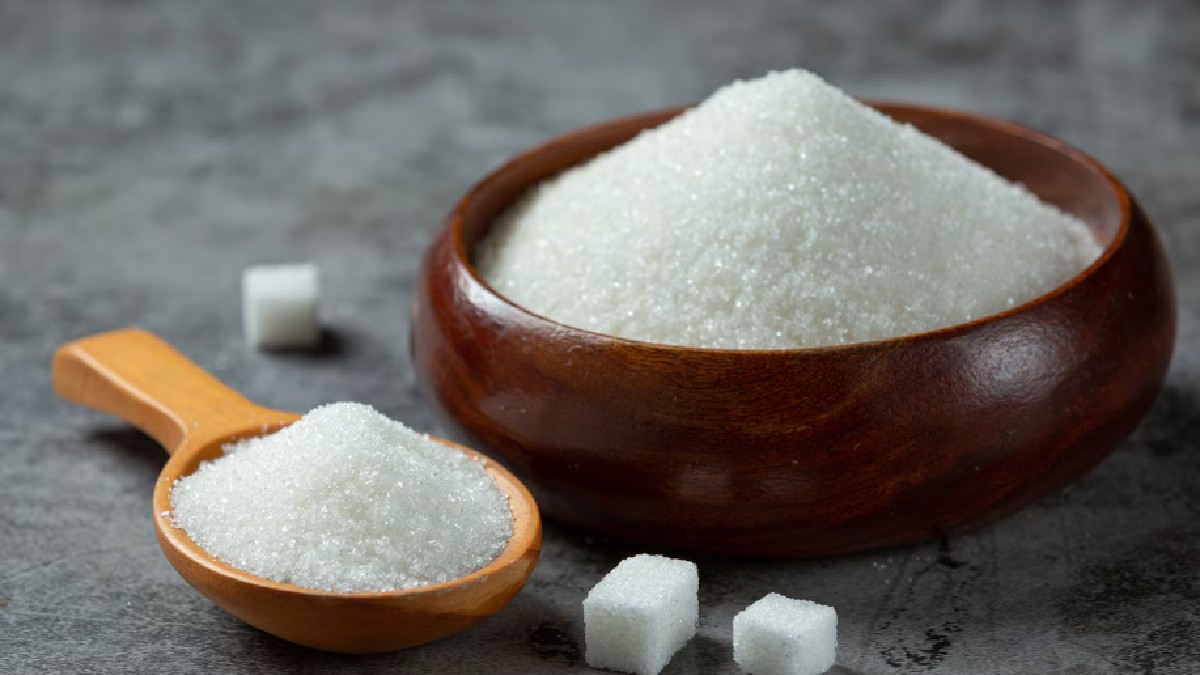
The revised notification came as the government moved to contain rising sugar prices ahead of the festive season. Imported raw sugar is to be refined and sold in India within two months of arrival in the new policy. It is aimed at preventing stockpiling and making sure imported goods contribute to domestic availability.
This came at the time of a big increase in retail sugar prices. Government data showed that the average all-India retail price reached Rs 63.05 per kg on Monday and that has increased by 29 per cent in a month. The highest retail price was at Rs 75 per kg and model price at Rs 65 per kg.
Food Secretary Sanjeev Chopra has also raised concerns about the pace of the increase in ex-mill sugar prices. Chopra said prices went from about Rs 47-48 per kg to Rs 62 per kg within seven to 10 days. He said the rapid rise was “unjustified” and the government is monitoring developments on the sugar supply chain.
The Centre had already allowed imports of 10 lakh tonnes of sugar until October 31 in an attempt to curb domestic availability. Stock limits were imposed on traders and large consumers such as soft drinks and ice cream manufacturers. State governments have also been directed to monitor local markets and take action against hoarding and black marketing.
Sugar Supply Under Pressure From Crop Damage And Festive Demand
The increase in sugar prices has come despite India's large sugar supply in general. Pest attacks, excessive rainfall and waterlogging in major sugarcane-growing areas, according to officials and industry representatives, are among reasons for the recent price rise.
Even more so, the approaching festive season has increased sugar demand and is putting pressure on the market. When we have festivals we have higher consumption and therefore we have more sugar, confectionery and other products with sugar as a key ingredient. Speculative buying is an issue too, as market participants say it could be the case that higher prices might lead to a tighter supply.
The latest estimate for sugar production in 2025-26 marketing year is 306 lakh tonnes, sharply below the previous estimate of 343 lakh tonnes. The reason for the change is pest damage and heavy rainfall.
The government has also taken steps to protect domestic supplies by curbing sugar exports. In May, exports of raw, white and refined sugar were banned until September 30. The idea was that the country would still have enough supplies and not put pressure on the prices.
There Is No Shortage in Sugar Industry Says
In spite of the sharp price rise, the sugar industry has dismissed claims that India has a sugar shortage. The Indian Sugar and Bio-Energy Manufacturers Association (ISMA) has maintained the domestic availability is good and expects prices to come down after the government’s recent interventions.
The ISMA president Niraj Shirgaokar said India’s production and stock position remained fundamentally comfortable. The industry body said the country’s overall supply position can meet domestic requirements despite the reduction in the production estimate.
According to ISMA, net sugar production after diversion for ethanol is estimated to be around 279 lakh tonnes during 2025-26 marketing year. India started the season with opening stocks of about 50 lakh tonnes and domestic consumption is between 280 lakh tonnes and 285 lakh tonnes.
These figures suggest India has a rather large supply base. But the rapid rise in prices points to the extent to which stocks are being brought to market and how traders and other market participants are reacting to expectations for future supply.
The diversion of ethanol has created political debate.
The rise in sugar prices is also fuelling debate over India’s ethanol-blending program. Opposition parties have claimed that diverting sugar to ethanol production has reduced the amount for domestic use and that this has led to higher prices.
The Centre has rejected the argument, with Food Secretary Sanjeev Chopra saying it is “completely baseless” to blame the rise in prices entirely on ethanol diversion. It is the government which has argued that crop damage, market sentiment, festive demand and speculative activity are influencing prices.
Sugar shortages are expected to continue to be monitored with the festive season approaching and sugar availability and retail prices expected to be closely monitored. The government's move to tighten import conditions, restrict exports and impose stock limits on the import and export of goods to ensure sufficient domestic supplies is part of a larger plan to prevent artificial shortages and to keep a level of domestic supplies for the festive season.
We are not sure if such a plan will bring down prices and, at the same time, consumers’ minds on how much they can expect from this. The industry maintains India is not facing a basic shortage but the government’s moves are meant to prevent supply disruptions and to stop hoarding as demand rises.