The long-standing Cauvery water dispute between Karnataka and Tamil Nadu is due to come to the Supreme Court again, and the Supreme Court is expected to hear an important petition on the release of water from Karnataka to Tamil Nadu.
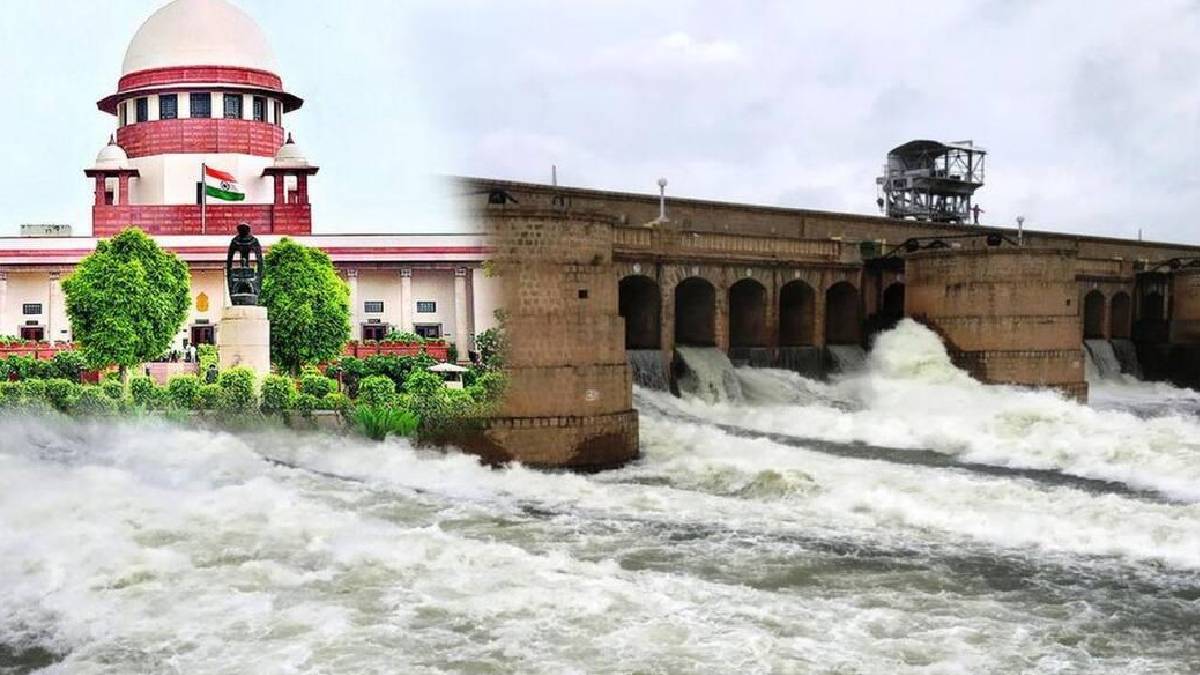
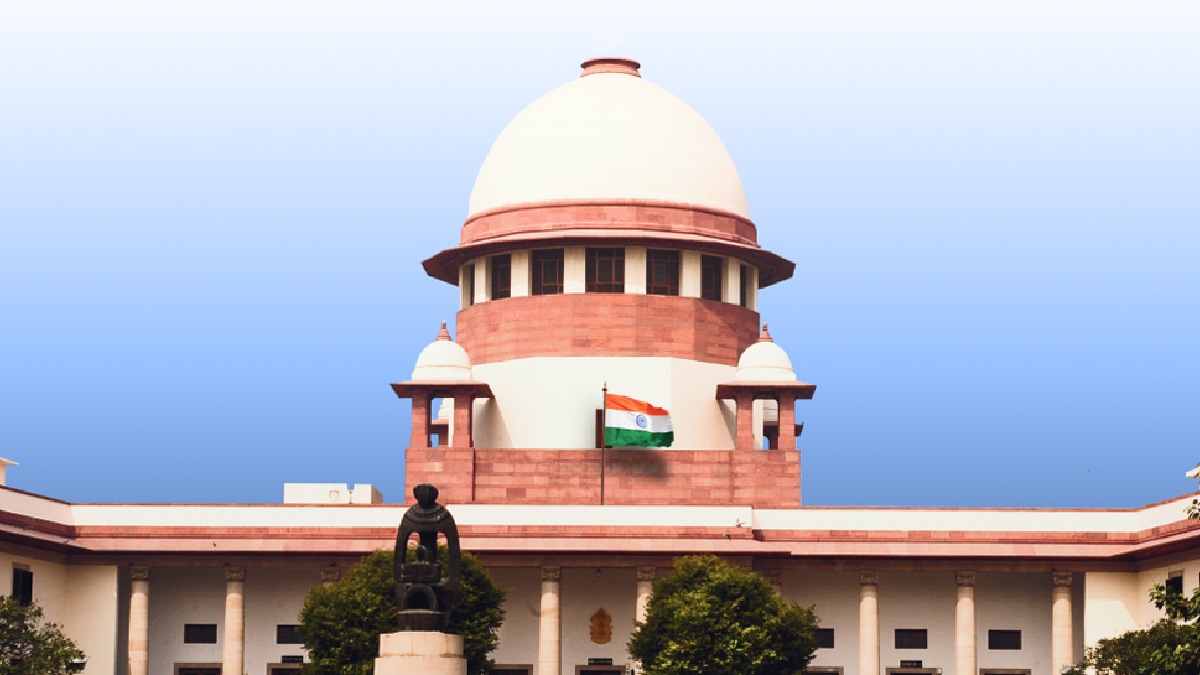
A two-judge bench, headed by Justice Vikram Nath, will hear Tamil Nadu’s plea seeking directions to Karnataka to release the pending amount of Cauvery water in accordance with an order of the Cauvery Water Management Authority (CWMA).
The hearing is important for both states as the availability and release of Cauvery water remain closely linked to rainfall, reservoir storage and the water requirements of agriculture and drinking water.
Tamil Nadu desires release of pending water
Tamil Nadu has approached the Supreme Court seeking directions for Karnataka to comply with the CWMA order and release the water that it claims is pending.
The state is expected to argue that Karnataka is required to adhere to the directions issued by the water management authority and ensure the appropriate flow of Cauvery water into Tamil Nadu.
The dispute centers around the sharing of water in the Cauvery river between the two neighbouring states, which have disagreed over the amount and the timing of water releases over years of poor rainfall.
Tamil Nadu has maintained that timely water releases are important to meet the requirements of farmers and other water-dependent sectors in the state.
Karnataka cites uncertain monsoon
Karnataka has already filed its response before the Supreme Court. The state has opposed releasing the water in the immediate future because of uncertainty in the monsoon rainfall in the state.
Karnataka maintains that releasing more water at this stage could be problematic later on if the rainfall is not very good. The state argues that its own reservoirs need to reach sufficient storage levels in order to release water downstream; it is also saying such water could be stored within the country.
The state will stress that it is important to determine actual reservoir storage, rainfall patterns and future inflows prior to making any decision on water releases.
Karnataka has also expressed concern that releasing water in a time of uncertain monsoon could lead to a lack of water during the later part of the season. And so the state is looking for a better understanding of its water security requirements before any more releases are made.
Why is the hearing important?
The Supreme Court hearing comes at an important time for Karnataka and Tamil Nadu. Cauvery water is vital for irrigation as well as drinking-water requirements in several parts of the two states.
For Karnataka, keeping sufficient storage in its reservoirs is crucial in case of weather and inflow difficulties. For Tamil Nadu, getting the allocated water from Cauvery is critical for agricultural purposes and for the supply of water in downstream areas.
The timing and quantity of water release have repeatedly led to legal and political disputes between the states.
The CWMA plays a key role in implementing the Cauvery water-sharing framework and monitoring releases and reservoir levels. But when one state believes that the conditions require a different approach to water releases, disputes can arise.
Both sides will present their arguments.
We expect that the Supreme Court will hear the arguments of Karnataka and Tamil Nadu at the hearing.
Tamil Nadu will be able to press for implementation of the CWMA direction and the release of the pending water. Karnataka is going to rely on the current reservoir storage and rainfall uncertainty, and its own water requirements for the immediate release of water.
The court may consider reservoir levels, rainfall, inflows, and water needs and consider these factors in deciding the plea.
The outcome of the hearing will impact the water management of the two states during the monsoon season. Any direction from the Supreme Court may also affect how the states will proceed with releases of water after years of rainfall and reservoir conditions.
Cauvery dispute, it is a very sensitive issue.
The Cauvery dispute has long persisted as one of the most sensitive inter-state water sharing issues in southern India. There have been political disputes over water releases and protests in Karnataka in recent years and legal proceedings in Tamil Nadu as well.
With the Supreme Court now having the opportunity to hear the latest plea, the arguments from both sides and the court’s observations on the implementation of the CWMA order will be of great importance.
Karnataka argues that immediate release could present an immediate shortage risk if monsoon inflows remain uncertain, and Tamil Nadu wants to comply with the existing water-sharing direction.
The Supreme Court’s hearing is therefore expected to be closely watched by farmers, policymakers and residents in both states as the monsoon picks up and reservoirs begin to get clearer.