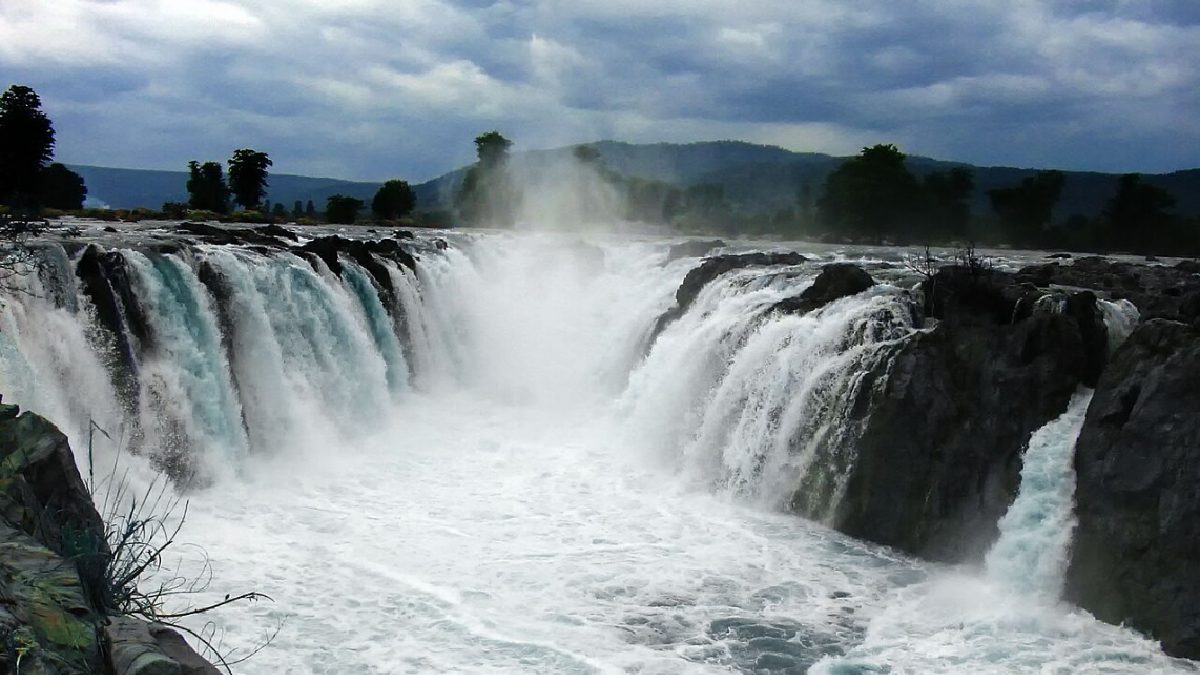
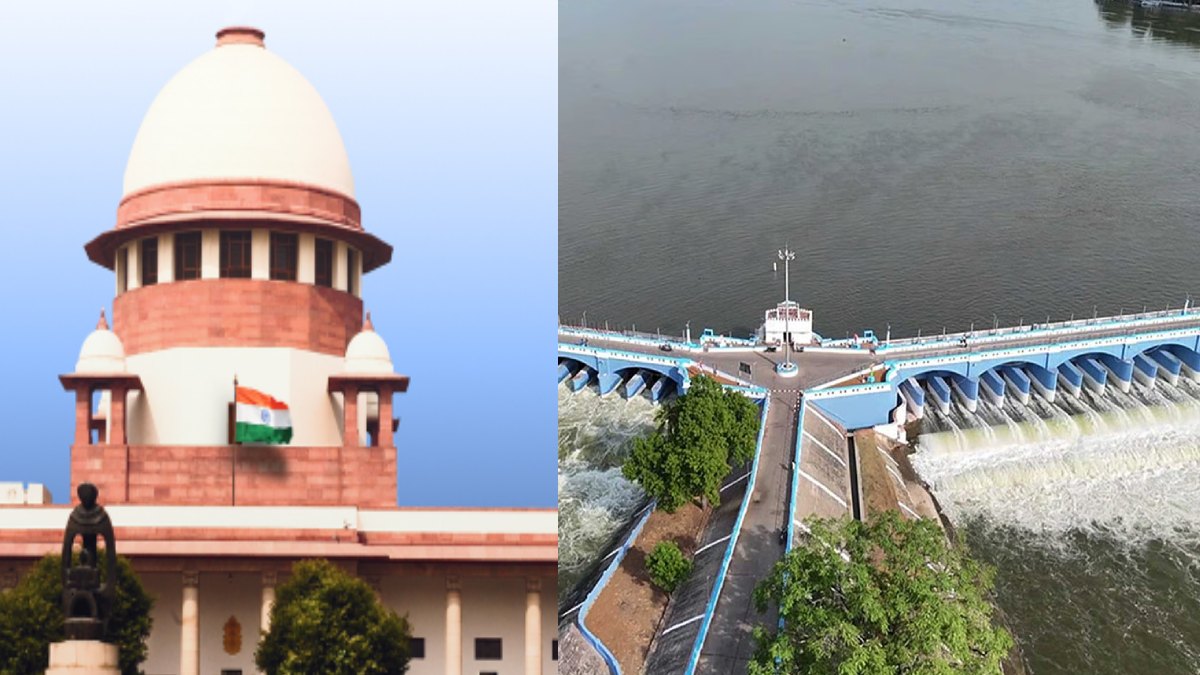
A long-standing Cauvery water dispute between Karnataka and Tamil Nadu has once again triggered strong reactions in Karnataka, with the president of a Kannada organisation, Lokesh Gowda, who has been against releasing Cauvery water to Tamil Nadu, opposing any release of water to the neighbouring state. Karnataka, he said, should not release water to Tamil Nadu “under no circumstances” as the state does not have sufficient water to meet its own needs and has to go through water from the Cauvery for its own purposes.
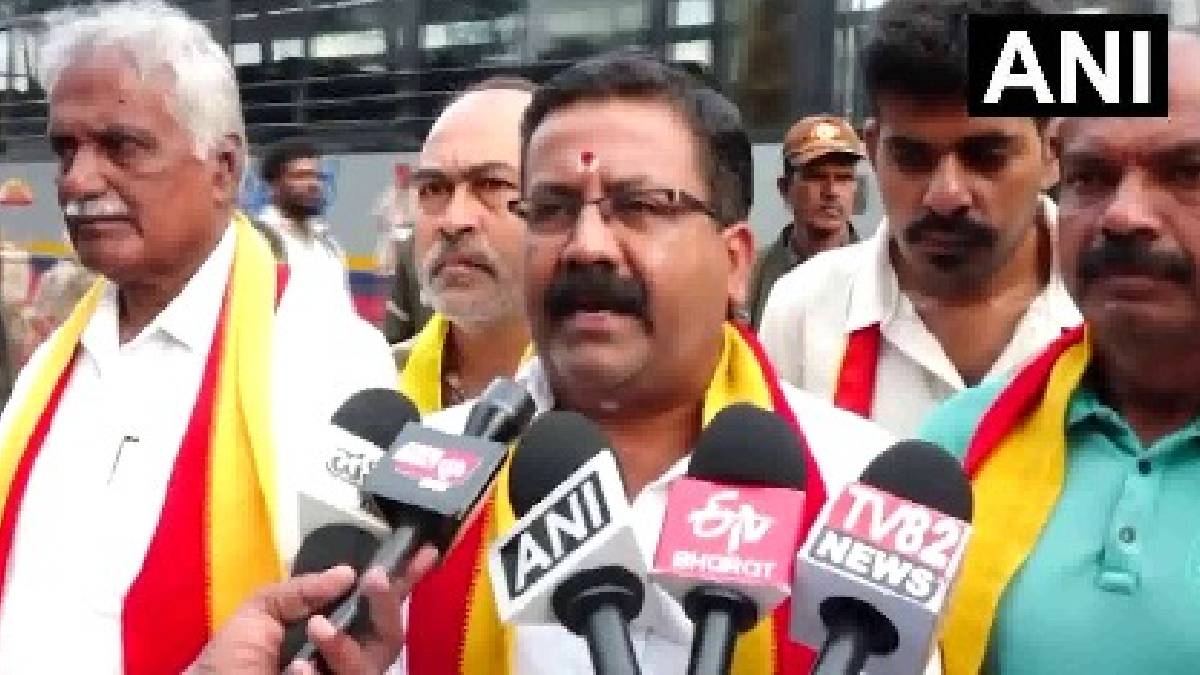
The statement comes at a time when public and political concern is still associated with the sharing of Cauvery river water between the two states. With large parts of Karnataka and Tamil Nadu dependent on it for drinking water as well as agriculture and other activities, water releases are a major political and social issue in Karnataka during times of poor rainfall and low reservoir levels.
Gowda said Karnataka’s immediate responsibility should be to ensure adequate water availability to its own residents and farmers in Mysuru. His comments are in line with the sentiment of Kannada organisations that have long been opposed to releasing water from Karnataka’s reservoirs in the wake of shortages.
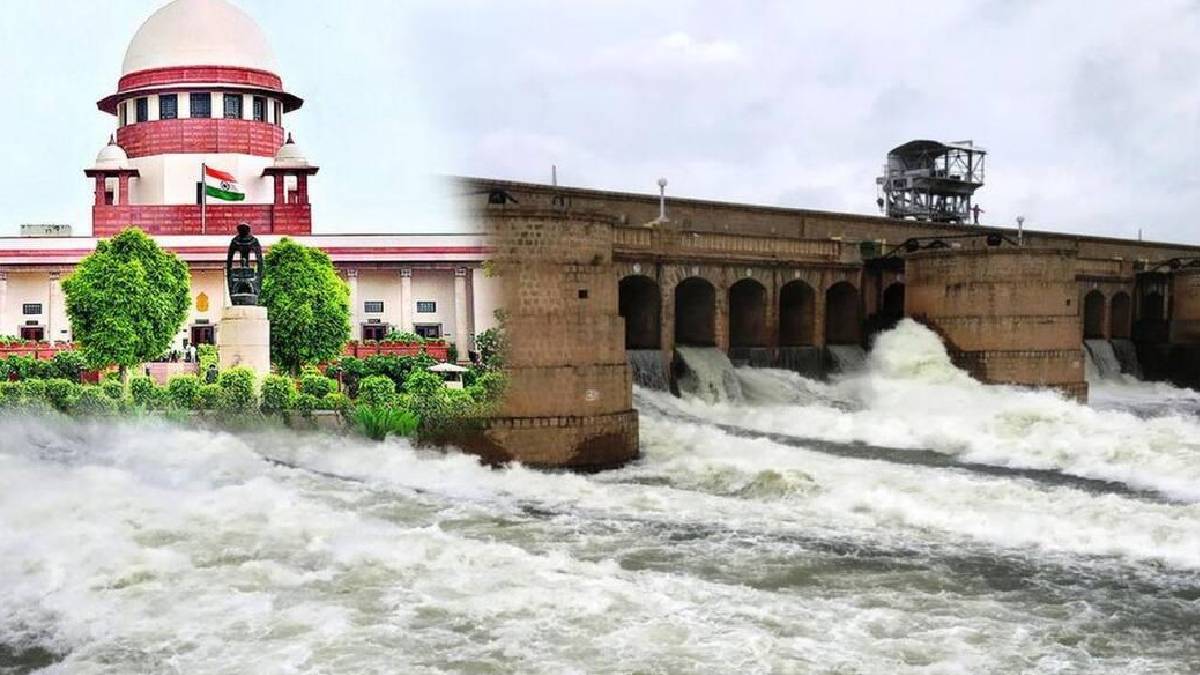
The Cauvery conflict has been one of the most controversial water-sharing disputes in southern India. Karnataka and Tamil Nadu have fought over water releases in the past years and the amount and the timing of water releases in the monsoon season (when monsoon rains are below expectations). Both states have also been on the receiving end of protests, political statements and demonstrations.
#WATCH | Mysuru, Karnataka: Police deploy tight security and make precautionary arrests after protesters stop Bengaluru-bound buses near the Rural Bus Stand over the Cauvery water release issue. pic.twitter.com/72t7DHFDQv
— ANI (@ANI) August 13, 2026
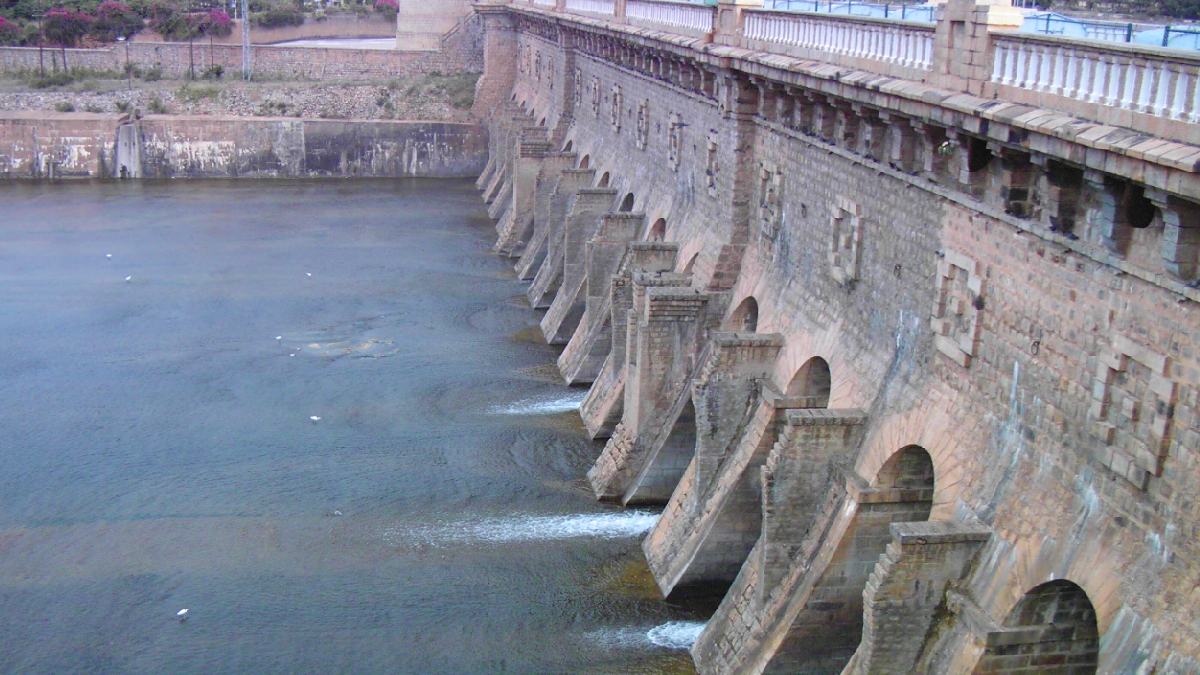
For Karnataka, reservoirs such as the Krishnaraja Sagar (KRS) and other Cauvery basin projects have a big role to play in regulating water supplies. The water stored in these reservoirs is important not only for irrigation but for drinking water, including that of large urban centres. So any decision to release water downstream is closely watched by farmers, political parties, Kannada organisations and the general public.
Gowda’s comments reflect a common assertion in Karnataka: before meeting demands from outside the state, authorities must ensure that there is sufficient water for local communities. Farmers and residents in the Cauvery basin should not be put under pressure when reservoir storage and rainfall conditions are inadequate, supporters of this position say.
At the same time, the Cauvery dispute is governed by legal and institutional mechanisms, and water-sharing decisions cannot be made solely based on political or public sentiment. The authorities and courts have historically determined the release of Cauvery water between the two states through orders and directions from the competent authorities and courts.
The new comments are likely to add to the public debate on the subject. Karnataka’s political leadership must balance the drinking-water and agricultural requirements of the state with obligations stemming from existing water-sharing arrangements.
Water security is the number one concern for residents and farmers in the Cauvery basin. With erratic rainfall, changing weather, an increase in urban demand and agricultural demands, the management of river water has become much more sensitive.
The statement from Gowda in Mysuru underscores the urgency of these issues and the general sentiment in Karnataka civil society that the state's water needs are at the heart of it. As the Cauvery conflict continues to grow, reservoir storage, rainfall and official water-release decisions will be closely watched across Karnataka and Tamil Nadu.