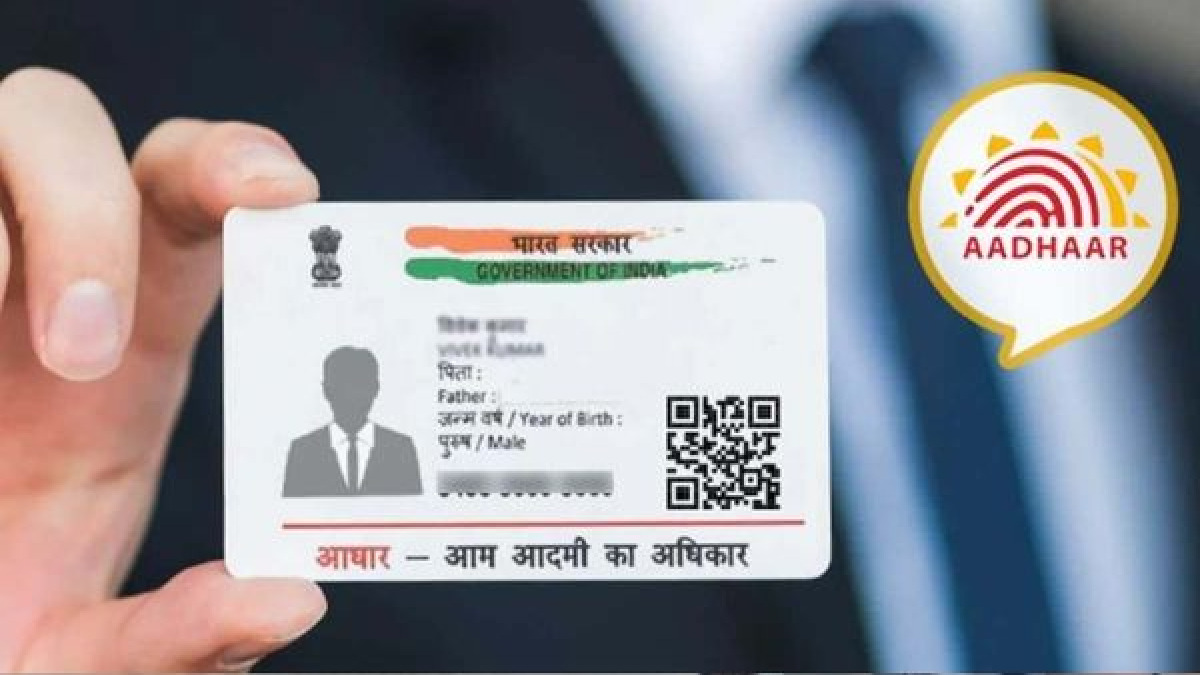
The Unique Identification Authority of India (UIDAI) is introducing a major policy change that will directly impact how businesses verify customer identities. Hotels, event organizers, and other private entities will soon be prohibited from collecting and storing photocopies of Aadhaar cards. This move comes as part of UIDAI’s broader effort to strengthen data privacy, reduce misuse of personal information, and modernize verification processes.

Why the Change?
For years, hotels and similar establishments have routinely asked guests to submit photocopies of their Aadhaar cards for identity verification. While convenient, this practice raised serious concerns:
- Data Privacy Risks: Paper copies could be misused, leaked, or stored without proper safeguards.
- Unauthorized Storage: Many businesses lacked secure systems to protect sensitive information.
- Regulatory Gaps: Physical copies often bypassed UIDAI’s strict data protection framework.
By banning photocopies, UIDAI aims to eliminate these risks and ensure that Aadhaar data is handled responsibly.
What Will Replace Photocopies?
Under the new mandate, businesses will be required to adopt digital verification methods:
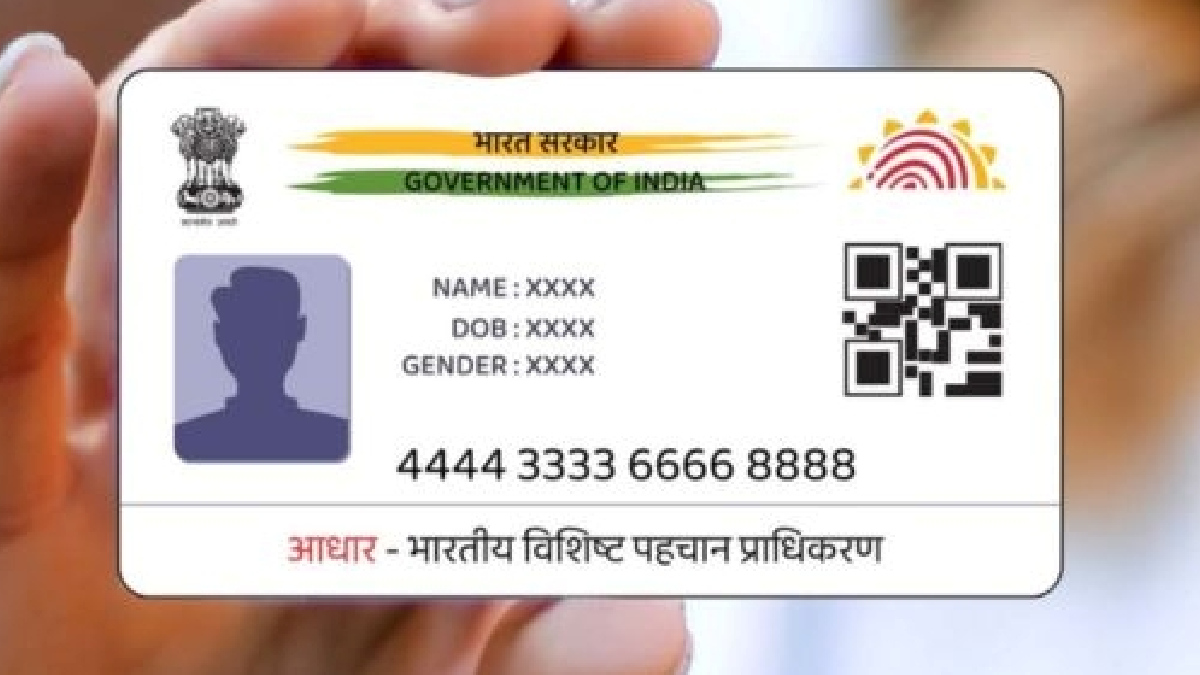
- QR Code Scanning: Aadhaar cards carry a secure QR code that can be scanned to instantly verify identity without exposing sensitive details.
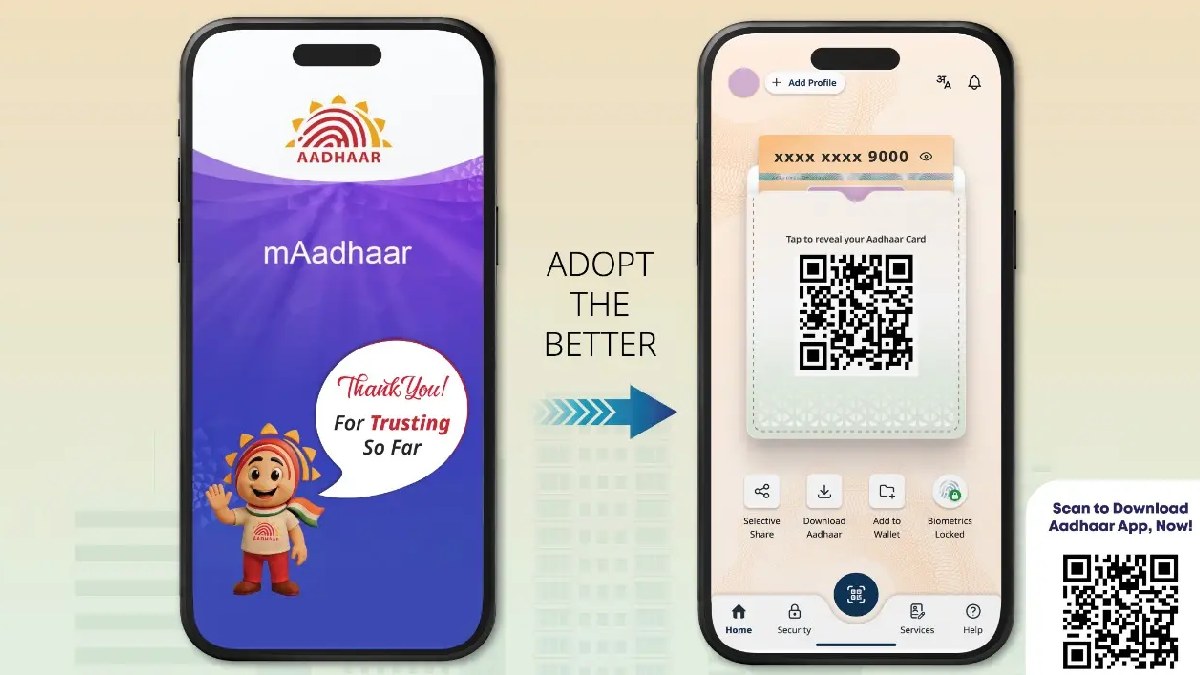
- Aadhaar App: UIDAI is rolling out an official app that allows customers to share identity information securely.
- Registered Verification Entities: Hotels and event organizers conducting offline verification must register with UIDAI, ensuring accountability and oversight.
This shift ensures that verification remains quick and reliable while protecting customer privacy.
Impact on Customers
For customers, the change means:
- No More Paper Copies: You won’t need to hand over photocopies of your Aadhaar card at hotels or events.
- Greater Privacy: Only essential identity details will be shared through secure digital channels.
- Ease of Use: QR code and app‑based verification are faster and reduce paperwork.
Impact on Businesses
Hotels and event organizers will need to adapt:
- Digital Infrastructure: Entities must invest in QR scanners or adopt UIDAI’s app.
- Compliance: Registration with UIDAI will be mandatory for offline verification.
- Training: Staff will need to be trained to handle digital verification processes.
While this may involve initial costs, the long‑term benefits include reduced liability and enhanced trust among customers.
Broader Significance
This policy reflects India’s growing emphasis on digital governance and privacy protection. By discouraging paper‑based practices, UIDAI is aligning with global standards for data security. It also signals a shift toward paperless identity verification, which could eventually extend to other sectors like banking, telecom, and travel.
The UIDAI registration mandate marks a significant step toward safeguarding Aadhaar data. By banning photocopies and promoting secure digital verification, the government is prioritizing customer privacy and modernizing identity checks. For customers, this means greater security and convenience. For businesses, it’s a call to embrace digital transformation and comply with stricter data protection norms.