B.Y. Vijayendra, Karnataka BJP president, has expressed concern over the lack of women ministers in the state Cabinet of Karnataka: “We feel that it is unfortunate that women are not represented in the cabinet of Karnataka,” and has given the government “bad news,” and also called for the need for a change of attitude to gender balance in Karnataka politics as women.
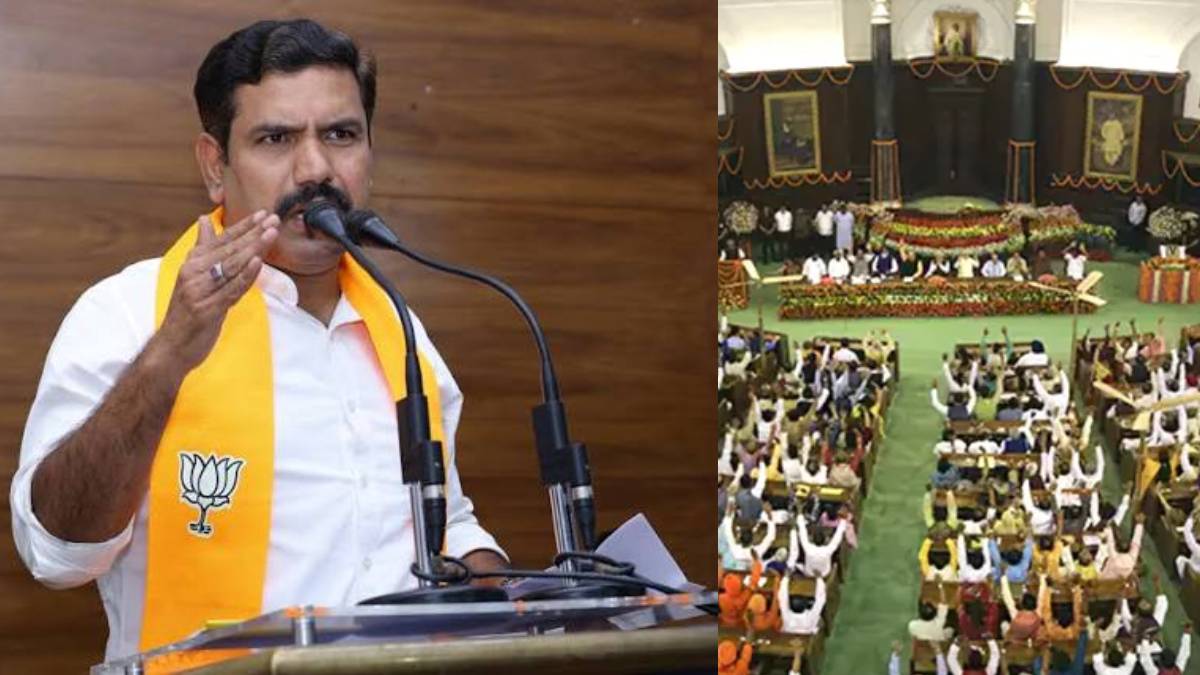
Vijayendra’s comment is part of a national political debate going on over the composition of the Karnataka Cabinet and the representation of different sections of society in the state government. In particular, about the lack of women, the BJP state president said: “Unfortunate that we have no women Ministers in the cabinet now.”
Women (and the representation of women) in Karnataka's political leadership have been discussed again following the statement. Women make up a large proportion of the state's electorate and have a prominent role in public life, but their presence in executive positions is still debated.
A state Cabinet is responsible for making important policy decisions in education, healthcare, women’s welfare, rural development, industry, infrastructure and social security. The composition of the Council of Ministers is often a reflection of the political priorities and representation a government wishes to cultivate.
Vijayendra also mentions whether more representation of women should be included in future changes to the Cabinet. Political parties often find themselves with the challenge of ensuring representation of women, youth, different communities and different regions while being politically and administratively efficient.
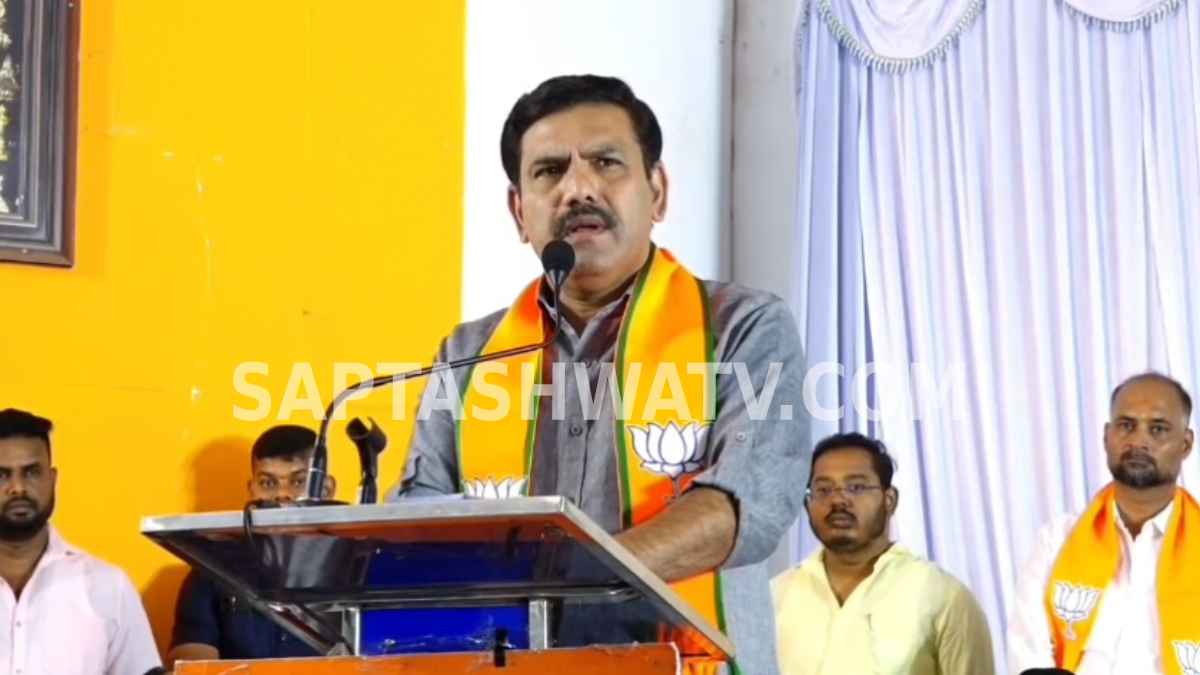
The BJP leader’s speech is significant because it is from the main opposition party in Karnataka. The BJP has been targeting the Congress-run state government in general: governance, administration and political appointments are the major issues. This is the latest statement that adds the matter of gender representation to the larger political discourse.
The absence of women ministers can also be critical in discussions about women’s participation in decision-making. Women in senior government positions can help to make the issues that are most relevant to women and families visible to the public and encourage more women in electoral politics and public administration.
At the same time, the question of Cabinet representation is also related to political leadership’s decisions on ministerial appointments. Regional balance, electoral representation, experience, party affiliations, and administrative responsibilities can all affect the final composition of a government.
Vijayendra's statement is therefore likely to spark a debate in political circles as parties consider how women are represented today in the political class in Karnataka.
The issue is also relevant in the larger context of women's participation in Indian politics. Women have become more active in elections and political campaigns, but their representation in legislative and executive positions has historically been lower than that of men.
The question is especially important for Karnataka in view of the long political history of the state and the presence of women leaders from different political sectors. Women have been filling in the top positions of the political hierarchy from local bodies to the state legislature, but the role of women in the executive remains a separate point of concern.
Vijayendra's comment can be seen as a call to attention to gender balance in the state government. If the issue leads to political pressure for a Cabinet reshuffle or remains a larger political issue, then it will be in the hands of the Karnataka government.
And, for now, his statement has put the spotlight firmly on the lack of women ministers and raised questions about whether the state’s political leadership should bring gender representation in the Council of Ministers more in line with the State government’s mandate.
Karnataka’s political debate is still a hot topic, and with Karnataka’s political divide in the present political landscape, women’s representation will be an issue for political parties and voters alike. In this regard, inclusive governance is not just about electoral participation, but also about women being included in key policy and administrative decisions that need to be made on the ground so that men and women play an important part in major policy and administrative decisions to allow for gender equity and empowerment of the people in policy and administrative decisions.