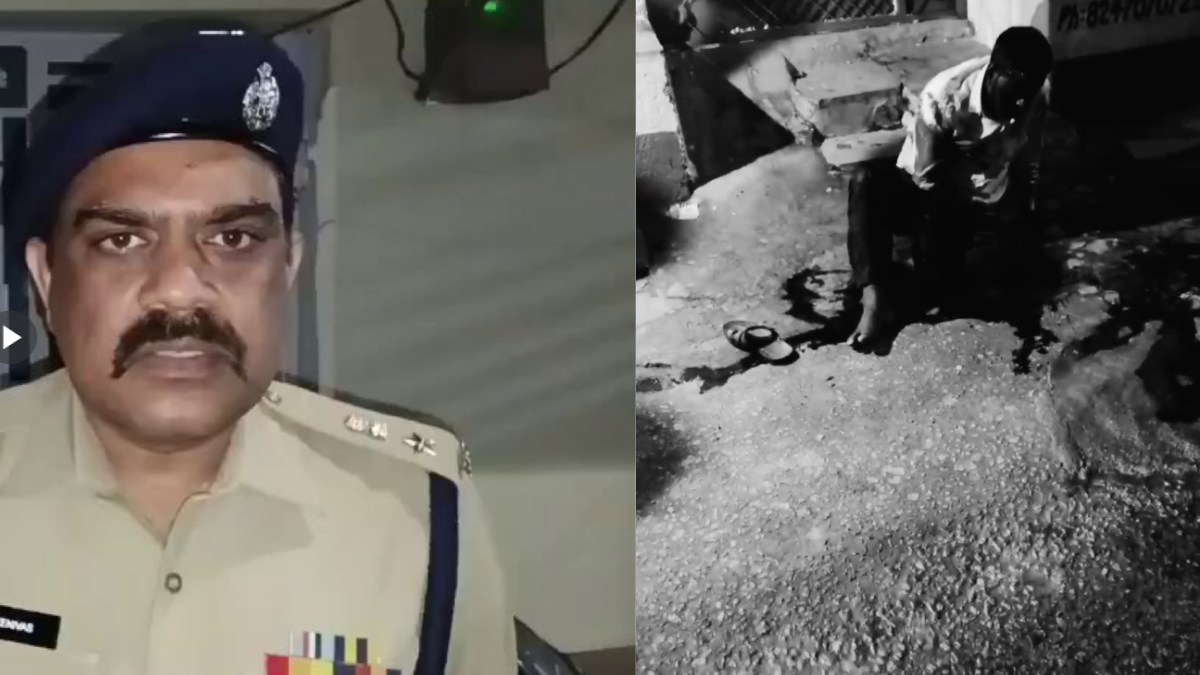
A woman was allegedly killed over a dowry-related dispute in Uttar Pradesh's Ballia district, prompting police to arrest her husband and brother-in-law. The incident has once again brought attention to the persistent issue of dowry-related violence in India, despite strict legal provisions prohibiting the practice. Authorities have launched a detailed investigation into the case while assuring that those found responsible will face legal action in accordance with the law.
According to police, the woman had allegedly been subjected to harassment and repeated demands for dowry after her marriage. Family members of the deceased accused her husband and in-laws of mentally and physically tormenting her over additional dowry demands. The situation reportedly escalated, ultimately leading to her death under suspicious circumstances. Following a complaint lodged by the victim's family, the police registered a case and initiated an investigation.
As part of the preliminary action, police arrested the woman's husband and brother-in-law. Officials stated that further investigation is underway to determine the exact sequence of events and whether additional individuals were involved in the alleged offence. Investigators are collecting statements from family members, neighbours, and other witnesses while examining available evidence, including medical and forensic reports, to establish the facts surrounding the case.
The woman's body was sent for a post-mortem examination to determine the precise cause of death. Police officials said that the findings of the autopsy, along with forensic evidence and witness testimonies, will play a crucial role in the investigation. Authorities have indicated that appropriate charges will be pursued based on the evidence gathered during the inquiry.
Dowry-related crimes remain a serious concern across India despite decades of legal reforms and public awareness campaigns. The Dowry Prohibition Act, 1961, prohibits the giving or taking of dowry, while provisions under the Indian Penal Code and the Bharatiya Nyaya Sanhita (where applicable) address offences related to cruelty, domestic violence, and suspicious deaths of married women. Law enforcement agencies are empowered to investigate such cases and prosecute individuals found guilty of dowry-related offences.

Women's rights organizations have repeatedly stressed that dowry harassment often extends beyond financial demands, involving emotional abuse, intimidation, physical violence, and prolonged psychological trauma. Experts believe that economic pressures, social customs, and deeply rooted cultural attitudes continue to contribute to the persistence of dowry practices in certain sections of society despite legal prohibitions.
Legal experts emphasize that every complaint of dowry harassment must be investigated thoroughly and impartially. They note that timely police intervention, evidence-based investigations, and fair judicial proceedings are essential to ensuring justice while safeguarding the rights of all parties involved. Authorities generally urge the public not to draw conclusions about criminal liability until the investigation and legal process are complete.
Social activists argue that eliminating dowry-related violence requires more than legal enforcement. Public education, gender equality, women's economic empowerment, community awareness, and stronger social support systems are considered equally important in addressing the underlying causes of such crimes. Educational campaigns encouraging dowry-free marriages and promoting respect for women's rights have been launched by governments and civil society organizations across the country.
Domestic violence experts also encourage women facing harassment or abuse to seek help through legal authorities, women's helplines, protection officers, or local support organizations. Early reporting of threats or repeated abuse may help prevent situations from escalating into more serious crimes. Families and communities are also encouraged to remain vigilant and support victims experiencing domestic violence.
The incident in Ballia has generated concern among local residents, with many calling for swift justice and strict action against those responsible if the allegations are proven. Police have assured that the investigation will be conducted professionally and that all relevant evidence will be examined before filing the final chargesheet.
As the investigation progresses, authorities continue to appeal for cooperation from witnesses and members of the public who may have information relevant to the case. The tragedy serves as another reminder of the need to eliminate dowry-related practices and strengthen efforts to protect women from domestic abuse and violence. Ensuring effective law enforcement, promoting gender equality, and increasing public awareness remain vital steps toward preventing such incidents and creating safer communities for women across India.