A hotel in Vadodara, Gujarat, has come under the spotlight after staff members broke into a guest’s locked room with a master key while she was away - and so have guest privacy, hotel protocols and accountability. This happened at Hotel Red Ross in Chhani in Vadodara and has raised questions of the right to privacy, emergency response and security for guest privacy.
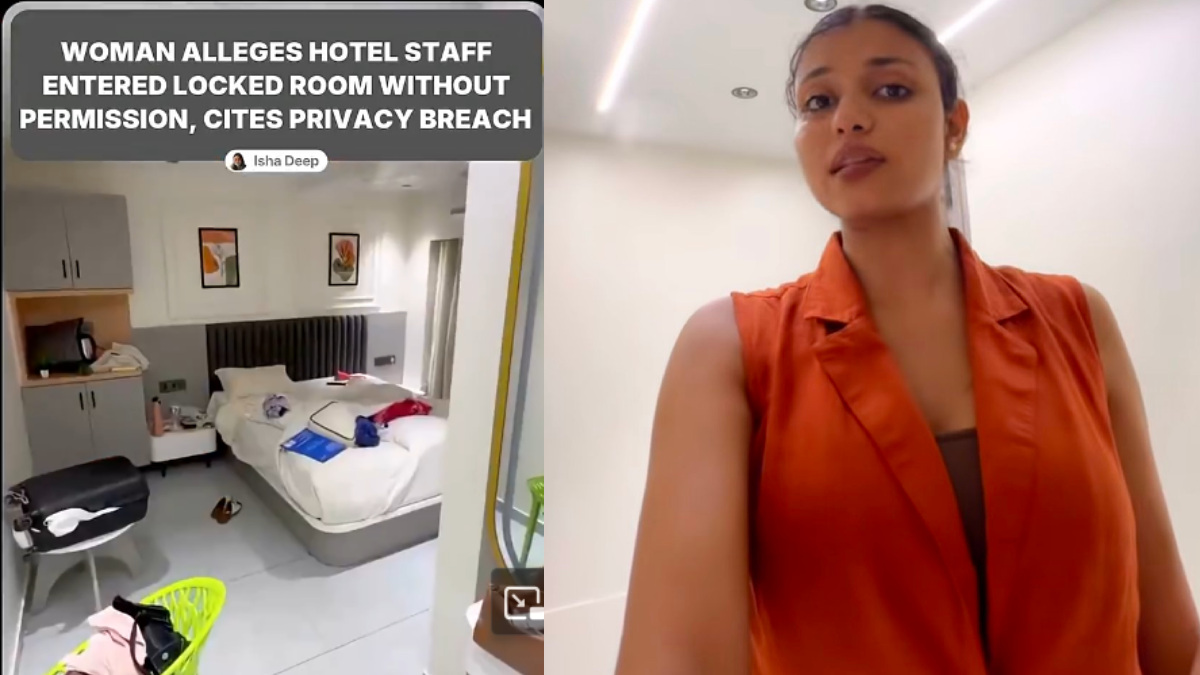
According to reports, the woman had rented a room at the hotel and paid the full amount for her stay. She locked the room and her personal belongings in before she went to an external meeting, and like most guests, she wanted to keep it private and away from others in her absence unless she was asking for housekeeping or maintenance services.
However, she was away, and hotel staff entered the room using a master key. Heavy rain had caused water to flow into the room, hotel management said later, causing potential damage to the property and contents.
When the guest returned to the hotel, she found that some of her belongings were disturbed or moved from their original positions. She was sad and upset about the unauthorised entry, she said. She said she confronted the hotel management to ask why they hadn’t told her why they had come to her room before and hadn’t warned her about it.
As a result of this, hotel representatives apologised to the guest and said they should have contacted her before entering the room. Management said informing the guest was the right thing, and they regretted the distress caused by the incident. At the same time, they said their actions were motivated by the rainwater problem and to prevent damage to the hotel property.

The incident has brought to light an important question often discussed in the hospitality industry: under what circumstances do hotel staff legally and ethically enter a guest room? Hotel staff in general can access rooms in emergencies if safety, maintenance, or security is a concern for them, but they should always communicate with the guests as quickly as possible. Open communication breeds trust and decreases miscommunication.
Consumers’ rights advocates contend privacy is one of the most basic expectations of hotel guests. Once a room is rented, guests expect that their personal space and belongings will be kept safe. It is a discomfort that can be experienced if a visitor enters, even if it is just for good, and it makes one question security and responsibility.
Most hotels would have staff at the door to talk to guests before entering their rooms unless there is a life threat, safety threat or property threat. It is that kind of process that is important to the hotel and its guests in order to make sure that emergency actions are recorded and justified.
Many have also rallied around the guest’s complaints on social media. Some of the hotel’s explanation of the room was accepted, but others said that a phone call, message, or other form of communication should have been made before staff came in.
The case will help inform debate on guest privacy and emergency access and is still a reminder of the importance of clear policies and procedures. Hotels need to respond quickly when unexpected situations arise, but communication and respect for guest rights remain fundamental to good hospitality management. The incident will compel both tourists and hotel operators to consider how we can protect privacy while still keeping hotels safe and secure, and that can be done through security measures.