The Silicon Valley of India is experiencing a chilling new wake-up call as reports of the dangerous “Zombie Drug” a combination of drugs with Xylazin hitting its northern outskirts seem to be emerging from the city’s ears. There have been reports that residents in Bagalur, the outskirts of the city, near the Nitte College campus are in trance-like, motionless states of mind at the same time as the “tranq” epidemic that is ravaging cities in the West. It has caused alarm among parents, educators and local activists to say the city is on the verge of a “Udta Bengaluru”.
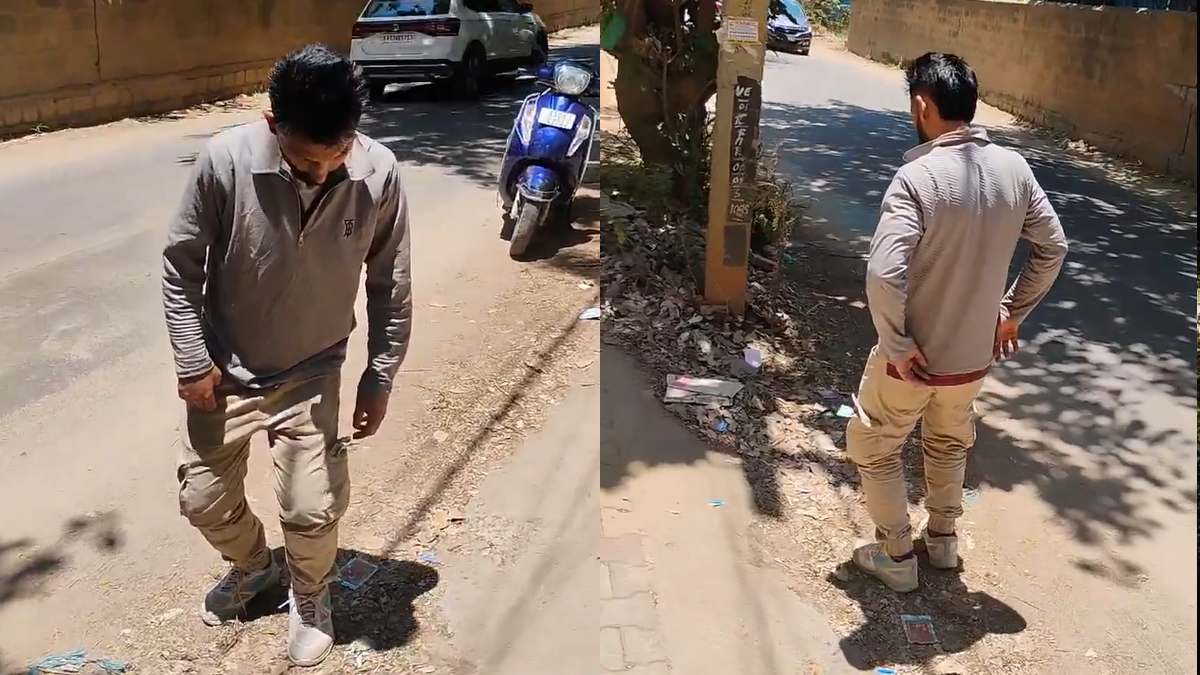
Xylazine is used as a veterinary sedative for large animals like horses and cattle and is not approved for human use. When mixed with illegal opioids or other stimulants, it causes a “Zombie” state where the user’s motor functions are completely lost and they will be either standing or sitting in a statue-like pose for a long period of time.
🚨 Disturbing! The deadly ‘Zombie Drug’ (Xylazine-laced substance) 😱 that turns users into motionless, trance-like zombies 🧟♂️ has now entered Bengaluru.
— ಸನಾತನ (सनातन) (@sanatan_kannada) April 7, 2026
Alarming reports emerging from Baglur near Nitte College.
Parents, youth & police stay extremely alert! ⚠️ This is a serious… pic.twitter.com/54wJgxweLw
And worse yet, severe skin ulcers and necrotic tissue damage are associated with this drug, which may lead to amputations if left uncontrolled. The reported presence of such a substance in a student-friendly city like Bagalur has sent shockwaves through the community in question and raised questions about how such a strong additive was able to penetrate narco-surveillance.

The proximity of the incidents to schools has put a lot of pressure on the police and campus administrators. Although the Bengaluru City Police has been proactive in their "War on Drugs," the introduction of animal sedatives into the local supply is a sophisticated and lethal aspect of the narcotics trade.
Residents are demanding that the police be more aggressive and that they conduct “flash checks” around Bagalur and other student housing colonies. There is growing consensus that the old drug enforcement approach needs to change to capture synthetic adulterants that don’t always show up on initial preliminary screenings.
Health experts and social workers are advising parents and young people to be especially vigilant in the face of the growing panic. The obvious warning signs of Xylazine use excessive drowsiness, extreme slow breathing and unexplained skin sores are red flags. And as the city grapples with these reports, the story of "Udta Bengaluru" is a grim indictment: if law enforcement, community leaders and families do not step in to reduce the demand and choke the supply, North Bengaluru’s thriving cultural fabric could be severely damaged by this new and “deadly” arrival.