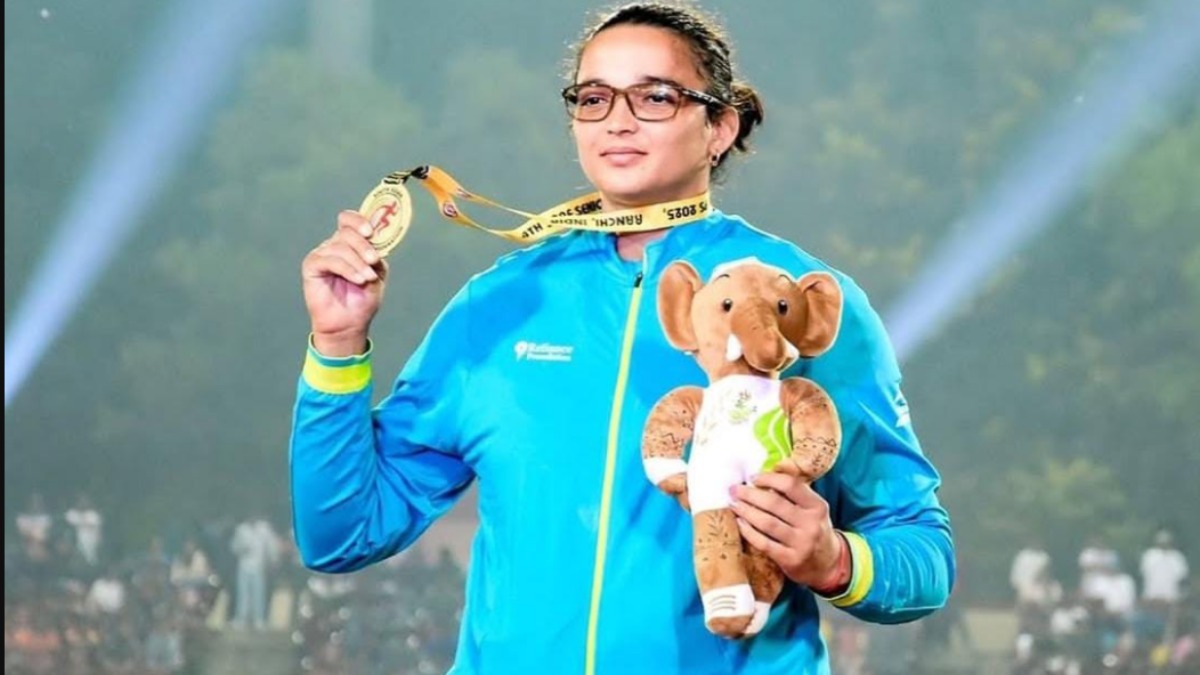
Asmita Dey had just one phone call to tell the joyous news of her historic Commonwealth Games gold medal, but the person on the other end couldn’t answer. Seven months earlier, her father—a humble cycle mechanic who earned Rs 300 a day and lived in a mud house in a small village in Tripura—had suffered a brain stroke. But Friday, when the 23-year-old athlete etched her name into the history books by becoming the first Indian judoka to win a Commonwealth Games gold in the women’s 48kg category, the gold medal glittered as much as hers. Her tears on the day of her historic victory had nothing to do with the fact that her father had died, but that she was the only one who believed in her in the world.

For a few moments in the midst of the celebration, the weight of victory washed away the bitter memories of the man who had made her Olympic-sized dreams a reality so many years ago and the whole nation was living up to it with him. In a remote village in Tripura where dreams of such a goal are seldom reached, Asmita said her father had always defied convention and supported her activities. Family life was hard but at the same time living in a mud house and the struggle to survive in poverty as a family life; her father’s daily earning from the work of a bicycle repairman was just enough so that he could keep the family afloat. When a knee injury threatened to halt her promising career, he took her to Delhi for professional care, bought expensive medicine and spent every little bit of money he had available to help; he made sure money couldn’t stand in the way of his daughter’s chance to go to judo.
The death of her father in December left Asmita with grief and paralyzed by self-doubt. Her biggest cheerleader had gone and her dreams of becoming a worldwide superstar had disappeared. But even in the midst of all of that pain, her mother was quick to step up and fill the void her husband had left behind. Ten days later she told Asmita to go back to training. She said that if not then her father was destroying her dreams that he had worked so hard to achieve. With that encouragement Asmita packed her bags and returned to the Sports Authority of India’s center in Bhopal and put her heartbreak into perpetual training.
The build-up to the Commonwealth Games was fraught with emotional and psychological stressors, anxiety and nights of sleeplessness. Asmita had admitted to sleeping every night and turning back and forth in bed to think about her potential matches and waking up at 5:30 AM to train hard every morning. This Friday those nerves made their way to Glasgow and she fought a constant fight with fear in her mind. Even simple domestic comforts were tests of discipline; a box of her favourite sweet ‘laung latta’ brought in by her brother at home remained untouched in her brother’s fridge and served as a constant reminder of what it took to succeed at the top of her sport.