A Special Way to the Podium. In an extraordinary moment for global sport, Tuvalu won its very first Commonwealth Games medal without even a single fight in the ring. Tarona Taafaki etched her name into the history books of the tiny South Pacific island nation during the women's 75-kilogram class. Although she was defeated in her first match by India's formidable Lovlina Borgohain (who dropped each and every round on the three judges' scorecards), the unique tournament system helped Taafaki. With just five players in the weight category, Taafaki received a bye to the semi-finals and automatically earned at least a bronze medal.
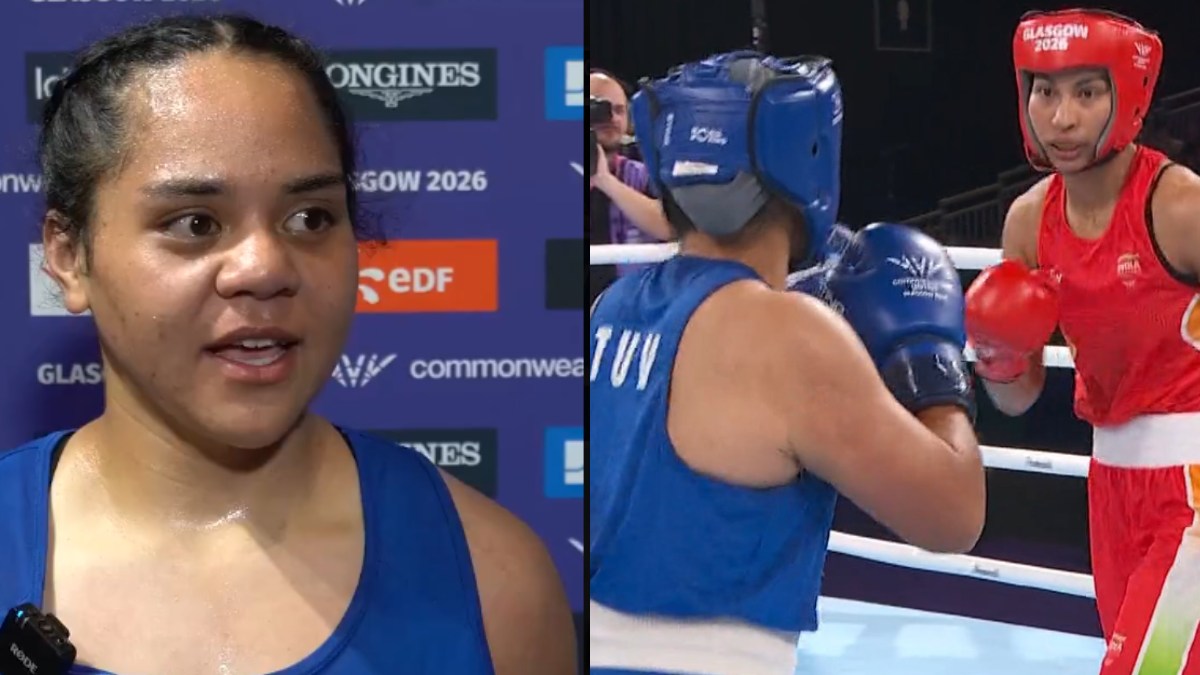
Although winning a medal through a bye is a rare event (the 2018 Gold Coast Games saw Australian boxer Taylah Robertson do so), Taafaki’s achievement goes well beyond sports stats. For her coach and father Badi Taafaki, the bronze medal is a powerful weapon to celebrate national pride and expose the existential crisis facing their homeland.
A Family Legacy Forged in Adversity. Boxing is more than a sport for the Taafaki family; it’s a way of life, deeply connected to their heritage. Tarona and her brother Pasoni, who also competed in the 70-kilogram division, are the two eldest of eight siblings, all of whom are boxers. To provide his children with competitive advantage, Badi relocated them to New Zealand so they could train with the best facilities that are not available on their remote island. Badi said that his children are lucky to have opportunities he has never dreamed of and that strength is in their blood.
Back in their home island, the reality of athletic training is unorthodox and stark. Tuvalu's athletes train on the nation's main airport runway, which is known for being the most stable and flat landmass on an island that is increasingly threatened by environmental dangers. Badi described the process of training on the tarmac, saying that everyone just immediately clears the runway when a plane approaches and then they resume training when it leaves because there are no other facilities for training.
Using Global Sports to Highlight Climate Emergencies. The Taafaki family sees this historical occasion not just as an athletic achievement but also as an international platform to raise attention to the horror of climate change on Tuvalu. Scientists and climate experts warn that half of the country's capital, Funafuti, will be submerged by 2050. Coastal erosion has reached a catastrophic level and the environmental countdown has turned to years and not decades.

Badi describes the daily terror faced by local residents as seawater breaches homes directly and coastal residents can’t sleep during storms as waves crash right through their living spaces. By winning an international medal, the family hopes that global audiences will finally recognize Tuvalu and get a sense of the terrifying climate realities threatening their very existence.