India is preparing for a tactical battle against Sri Lanka as the two-Test series begins on 15th August at Galle International Stadium.
The series forms a part of the ICC World Test Championship 2025-27 cycle and therefore the two games are very important for both teams. India is currently fifth in the WTC rankings while Sri Lanka is sixth.
The first Test will be played in Galle from August 15 to 19, and the second Test at Colombo's SSC from August 23 to 27.
As Sri Lanka is expected to provide a lot of spin for both the batters and bowlers, India has been prepared for spin and reverse swing as the ball gets older.
Late Play Could be Key Against Reverse Swing
One of the major challenges for Indian batters could be reverse swing during the later stages of an innings.
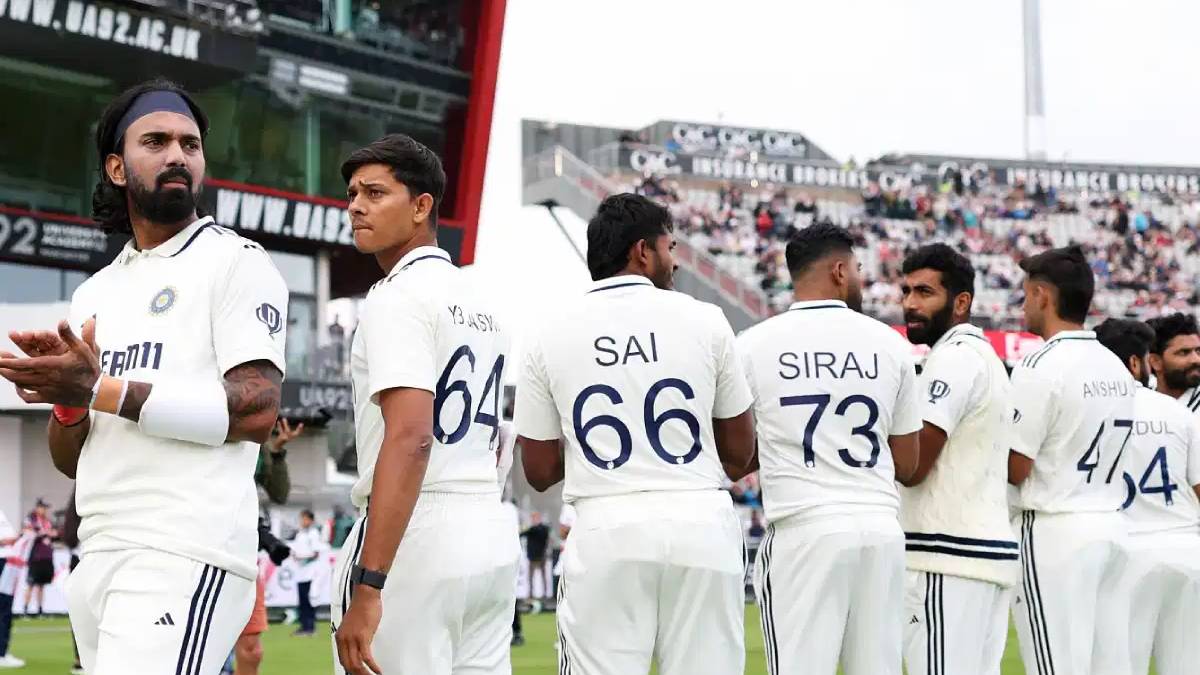
When the ball gets older and the surface changes, fast bowlers can extract movement in the air. The Indian batting group has been working on playing the ball as late as possible rather than committing too early.
The basic principle is simple: stay close to the ball, watch it for longer, and make the final decision as late as possible.
If a delivery is a possibility to come early on, instead of attacking it, batters may wait until the ball is closer before defending or taking controlled shots.
This approach becomes particularly important when the ball begins moving in the opposite direction from what a batter expects.
Countering Sri Lanka’s Spin Attack
Spin is expected to be another major part of the Galle challenge.
India have been working on match-simulation drills to simulate the pressure of facing quality spin on a turning surface. Recent reports from the Indian camp indicate that the team has specifically focused on facing spin-heavy conditions in practice.
Batters have been trying to counter deliveries that turn sharply after pitching on rough areas.
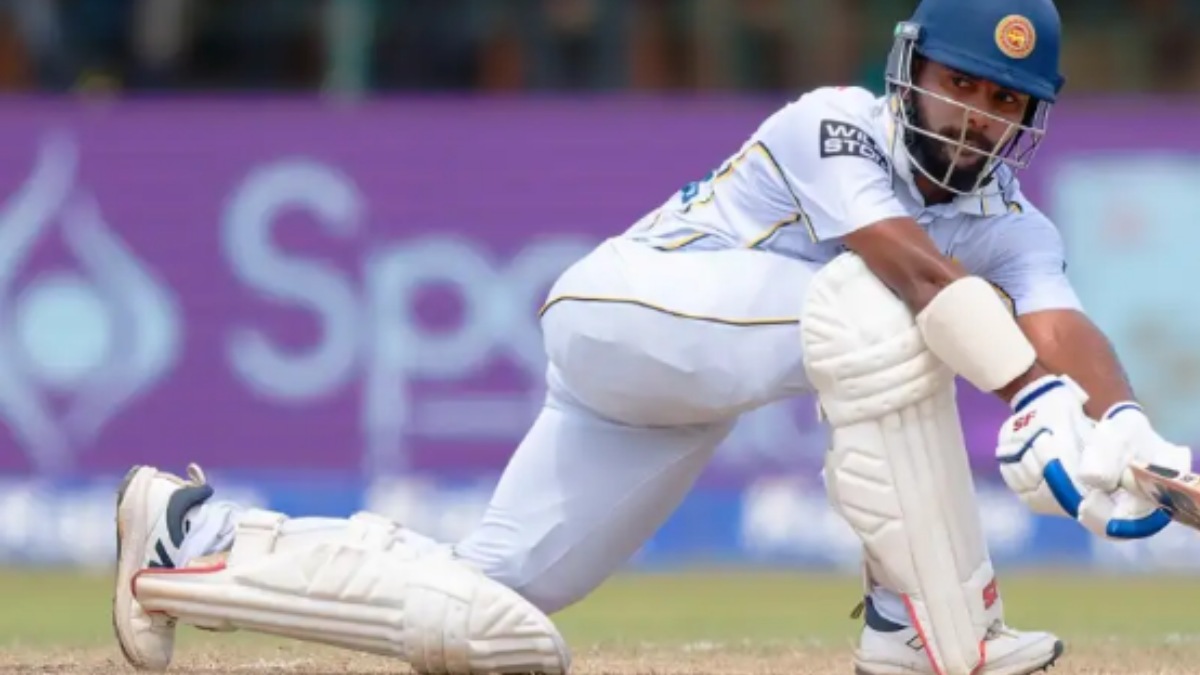
Instead of allowing spinners to dictate the pace of an innings, India's batting approach could involve a combination of footwork, controlled aggression and sweep shots.
Another technique is to get out of the crease so that the bowler’s length is disrupted. When done correctly, that will keep a spinner from bowling in the same area for the same amount of time.
Jaiswal and Padikkal Provide Encouragement
The practice game in Colombo also provided some positive signs for India’s batting group.
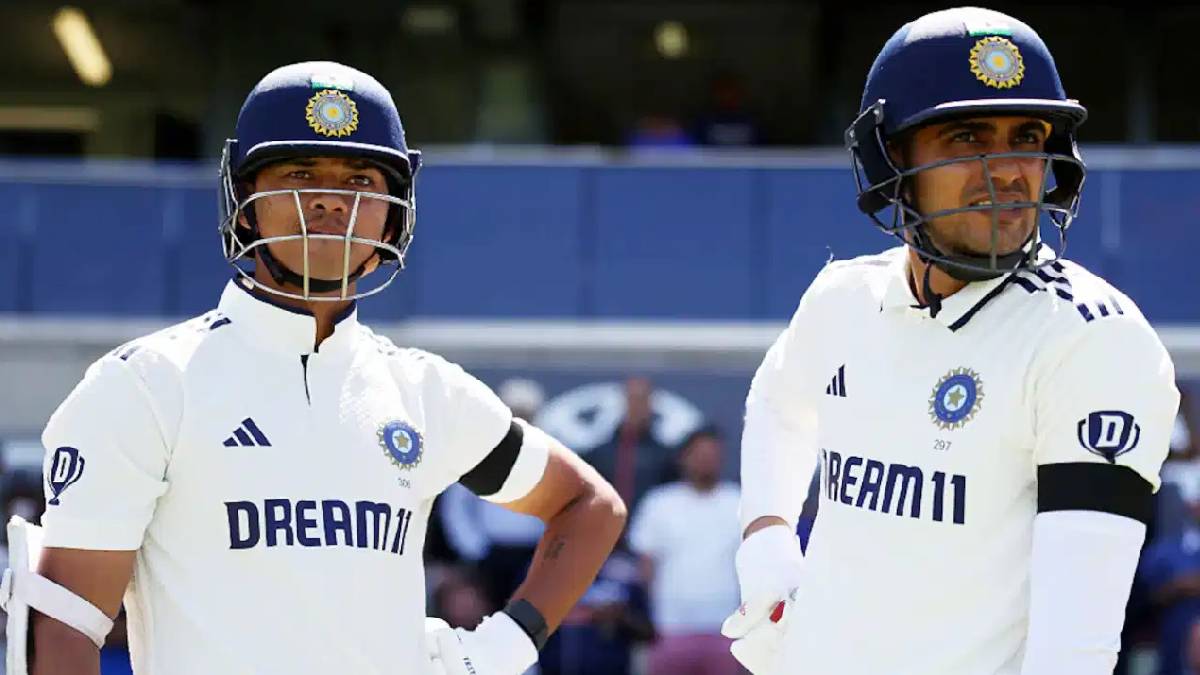
Yashasvi Jaiswal and Devdutt Padikkal were among the batters who made huge contributions in the practice match, providing valuable time in the middle ahead of the Test series.
Such innings can be particularly helpful before a Test in Sri Lanka because they allow batters to assess the pace of the surface and get used to the behaviour of the ball.
For India, the goal will be to transfer those lessons into the five-day Test environment.
Jadeja and Kuldeep Lead the Spin Options
India have a good spin combination available for the Sri Lanka series.
Ravindra Jadeja returns to the Test squad, with Kuldeep Yadav still one of India's most important specialist spinners. The team also includes young spinners Manav Suthar and Saransh Jain, giving the team additional choices depending on pitch conditions.
Saransh Jain has received his first Test call-up, and Suthar has retained his place after making a great start to his international career.
India could therefore consider playing multiple specialist spinners if the Galle surface provides the expected assistance.
The final combination, however, will be dependent on the pitch, weather and the balance of the playing XI.
Workload Management for Kuldeep
Kuldeep Yadav’s workload has also been carefully managed ahead of the Tests.
In the practice match against Sri Lanka Cricket XI, he did not bowl in the second innings. India’s spin-bowling coach Sairaj Bahutule explained that the decision was related to workload management rather than a fresh injury concern.
That suggests that the team management wants to ensure its frontline spinner is fresh for the demanding five-day matches.
Gill’s Leadership Under the Spotlight
Shubman Gill will lead India in the two-Test series, with KL Rahul as vice-captain. The BCCI squad announcement confirmed the leadership group and India's 15-member Test squad.
Gill’s leadership will be closely watched as he attempts to manage a Test side in challenging overseas conditions.
His tactical decisions—especially the choice of bowling combination, use of spin and approach against Sri Lanka’s bowlers—could prove decisive.
Recent reports also indicated that Gill was being managed carefully during the practice match, with the team taking precautions ahead of the Galle Test.
India’s Biggest Challenge: Adapting Quickly
The key to success in Galle will not simply be the number of spinners India select.
The bigger challenge will be adapting quickly to the surface and allowing the conditions to dictate the tactical approach.
Indian batters will need patience against movement while also preventing Sri Lankan spinners from settling into a rhythm. At the same time, India’s bowlers will have to extract maximum value from the surface as the match progresses.
With Jadeja, Kuldeep and the younger spin options available, India has several ways to attack.
A Battle of Strategy in Galle
The first Test between India and Sri Lanka promises to be much more than a contest between bat and ball.
It could become a battle of spin versus counter-attacking batting, reverse swing versus late play, and experience versus youth.
India’s preparations suggest that the team is aware of the challenges that await in Galle. The use of match simulations, workload management and specialised preparation against spin and movement could prove valuable.
Ultimately, the effectiveness of the strategy will be tested only when India and Sri Lanka walk out at the Galle International Stadium on August 15.
For Shubman Gill and his team, the mission is clear: adapt to the conditions quickly, neutralise Sri Lanka’s spin threat and begin the WTC campaign with a strong result.