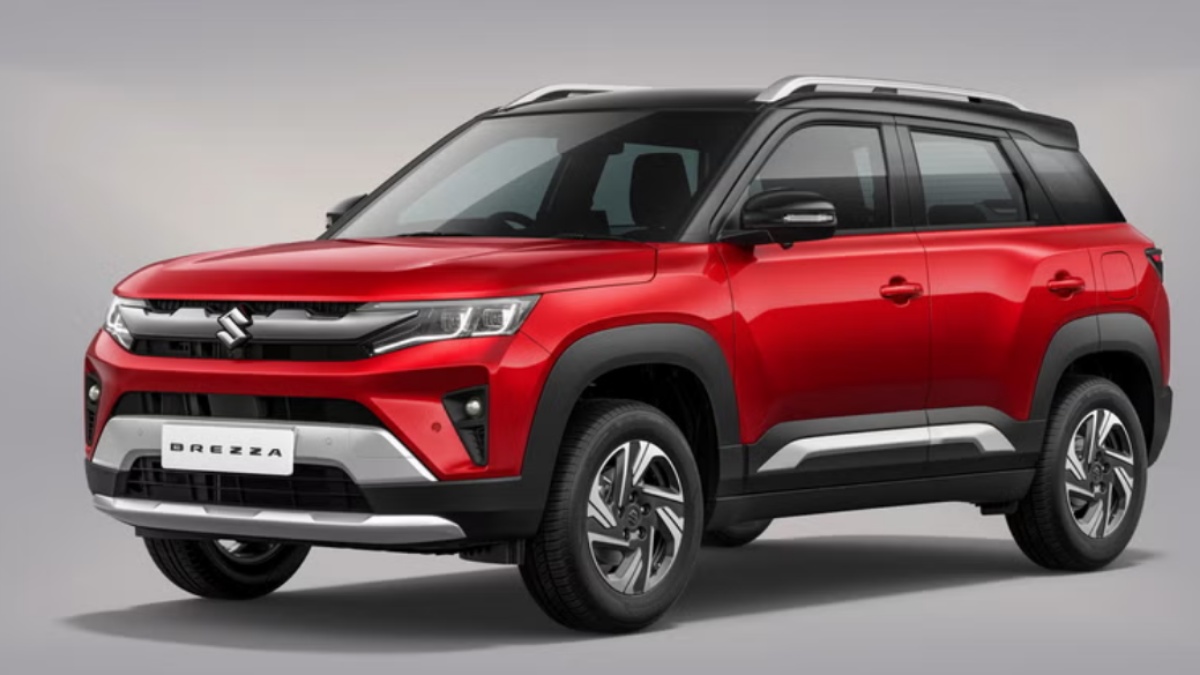
At Suzuki for over four decades, they have been an affordable personal mobility company in India. In partnership with Maruti, the Japanese automaker turned the automotive industry upside down with reliable, fuel-efficient, and affordable vehicles, which made car ownership in India a reality for millions of Indian families. Maruti Suzuki cars were ubiquitous in big cities, small towns, and rural areas, and Maruti Suzuki vehicles are now ubiquitous on Indian roads, and the company has become the largest automobile company in the world's fastest-growing market.
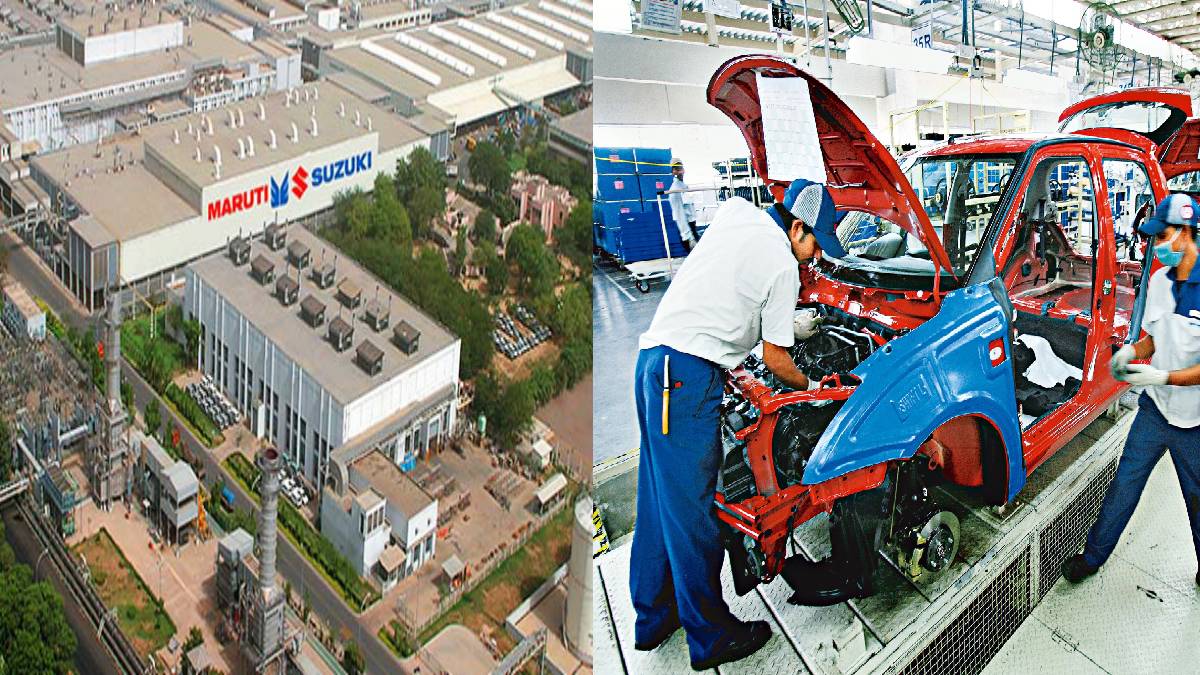
When Maruti Udyog Limited was formed as a joint venture of the Government of India and Suzuki Motor Corporation in the early 1980s, the passenger vehicle market in India was quite small, and the prices of vehicles were high. Suzuki’s entry changed that dramatically. The launch of the Maruti 800 was a game-changer for Indian automotive history: it was a compact, economical, dependable car which came into play soon became the dream vehicle for middle-class families.
Suzuki created new products over the years with the Alto, WagonR, Swift, Dzire, Baleno, Brezza, Ertiga, and many others. And they were attractive to Indian buyers because of the affordability combined with good fuel efficiency, cheap maintenance rates, and a huge service network. And the company’s constant focus on value for money made it very successful through the generations.
Suzuki has always had an excellent understanding of Indian consumers. Instead of the top-end cars, it made cars that fit the average family and did not have to be expensive vehicles. Low-cost spare parts, quick service, and good resale prices also increased customer trust, and Maruti Suzuki will continue to lead the market for decades.
A lot of manufacturing facilities, supplier ecosystems, and components localization were also done by Suzuki. With the majority of parts in India, Suzuki cut manufacturing costs, contributed to automotive manufacturing, and made a significant contribution to the country's automotive industry. Such localization was also able to bring down the cost and generate thousands of jobs in manufacturing, engineering, logistics, and components.
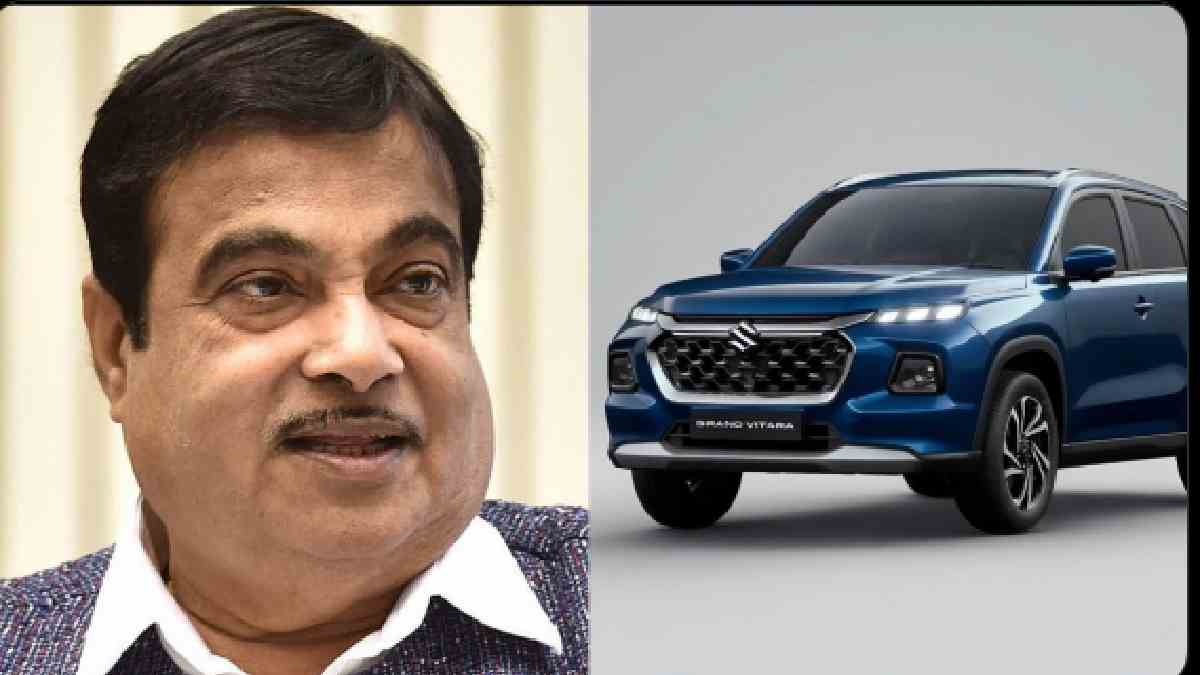
But the Indian automobile industry has been undergoing its biggest transformation since Suzuki entered the market. Environmental concerns, stricter emission norms, government incentives, and fast technological advances are all driving the transition to electric mobility. But both domestic and international automobile manufacturers are investing aggressively in next-generation mobility solutions.
Tata Motors, Mahindra, Hyundai, MG Motor, BYD, and several emerging startups have become more involved in India's EV industry and are now increasingly in competition with each other as well. Suzuki still dominates the passenger car segment, but the transition to electric mobility is more demanding, with a great deal of investment in battery technology, software, charging infrastructure and car platforms.
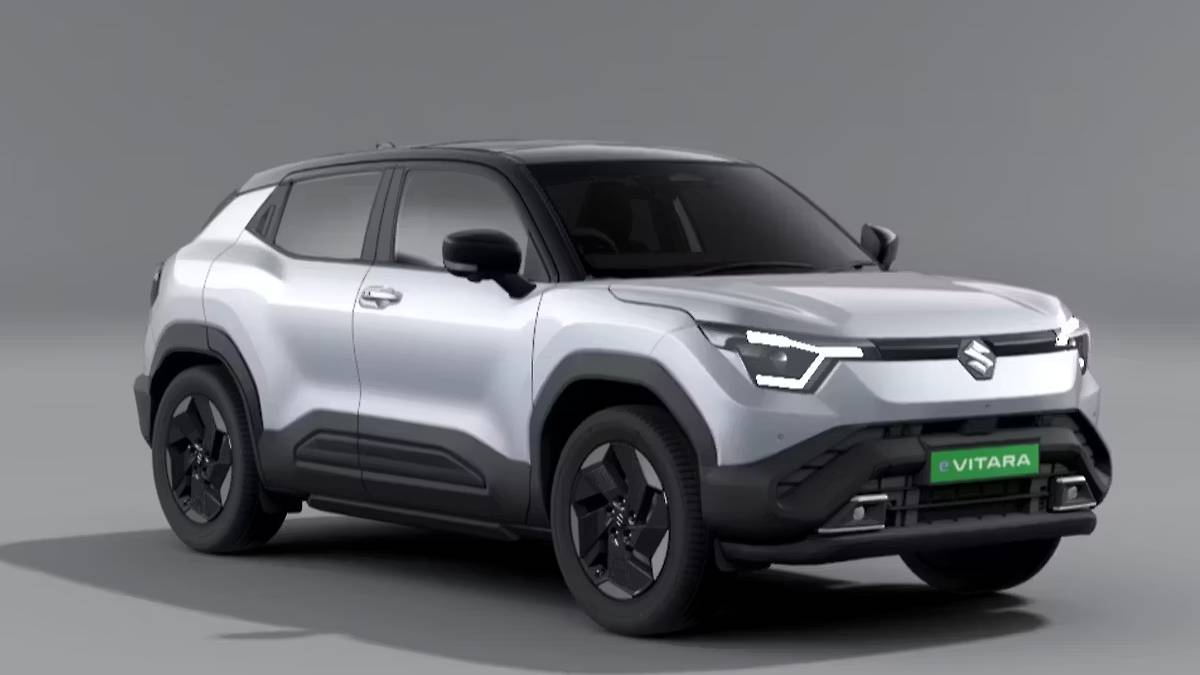
Maruti Suzuki has also announced plans to expand its electric vehicle portfolio and invest in future mobility technologies. The company is also working with partners on battery production and sustainable production, and next-generation vehicle development. Its approach is a sign that the future of this strategy is one of the first to recognize that in the next few decades, it will come down to affordability, innovation, and environmental sustainability to maintain its leadership position.
Despite the changing landscape, Suzuki's legacy in India is unmatched. The company was an early catalyst in moving the nation and making personal transport accessible to millions of people. Maruti Suzuki has long been associated with reliability, affordability, and ease of ownership, which are things that have defined the brand for generations.
Suzuki’s ability to adapt to the electric vehicle revolution will be the key to whether it can succeed in the same way that conventional cars did in the electric vehicle revolution. As cleaner technologies and smarter mobility solutions in the automobile industry take hold and India’s automotive market takes a turn towards cleaner technologies, Suzuki will have to rethink its leadership for the future in a new era of India’s automotive ecosystem. Suzuki is well-positioned to remain relevant today to develop mobility in India, given that it has a deep knowledge of the Indian market, a dealer network of more than 300,000 partners, decades of manufacturing experience, and more than 1.5 billion cars built in Japan.