
Karnataka bus passengers will face higher travel costs as a committee headed by retired IAS officer Atul Tiwari has suggested a 25% increase in fares for the four road transport corporations in the state, based on the committee’s recommendation to the state government.
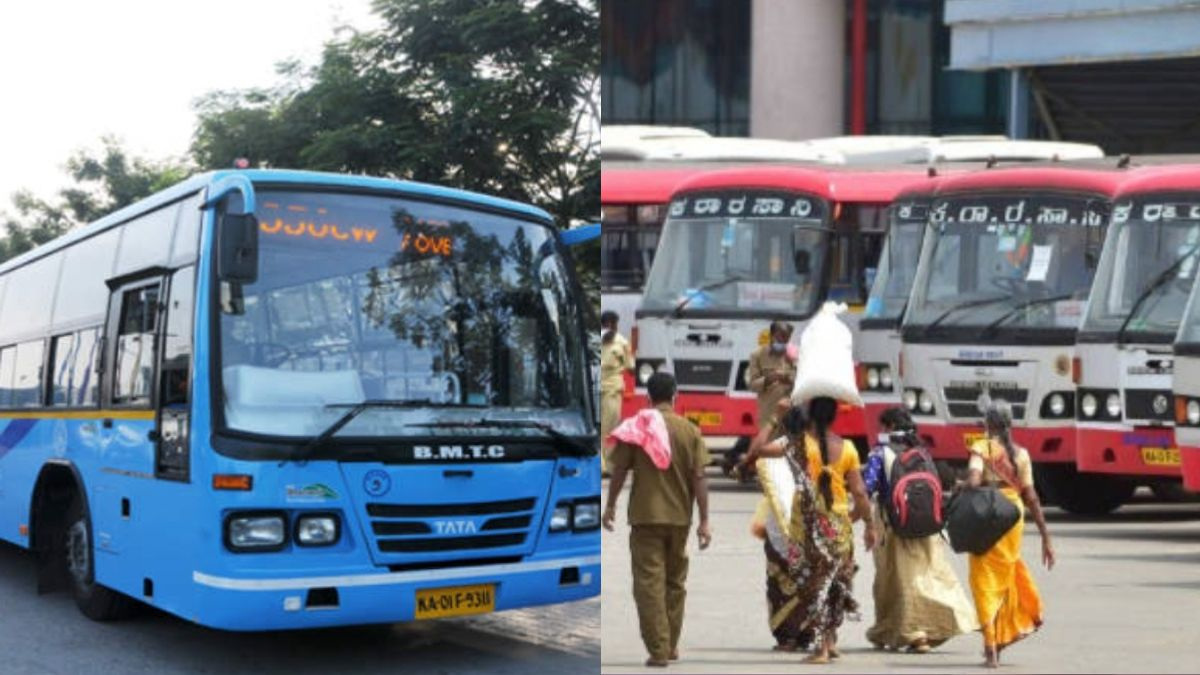
In addition, the state government has submitted its report to the state government, citing financial losses, rising operational costs, and overdue payments. But the actual fare hike may be lower than the committee’s recommendation, as the government is considering about 15% to 17% based on the transport corporation. A final decision will be taken to implement the committee's recommendation at a cabinet meeting next week.
The four state-owned transport corporations, Karnataka State Road Transport Corporation (KSRTC), Bengaluru Metropolitan Transport Corporation (BMTC), North Western Karnataka Road Transport Corporation (NWKRTC), and Kalyana Karnataka Road Transport Corporation (KKRTC), are under severe financial pressure.
Increasing wages of employees, diesel prices, and expenditure on spare parts have increased their costs. The transport corporations are constantly looking for financial assistance from the government to manage their expenses and maintain services. In this regard, the state government had already decided to change bus fares and formed a committee to investigate the financial condition of the transport corporations to suggest an appropriate increase.
The committee studied the financial situation of all four corporations for three to four months. Members visited depots and other facilities to assess the extent of the losses and to seek ways to improve their financial status. In this report, the transport corporations are described in terms of immediate and long-term policy interventions.
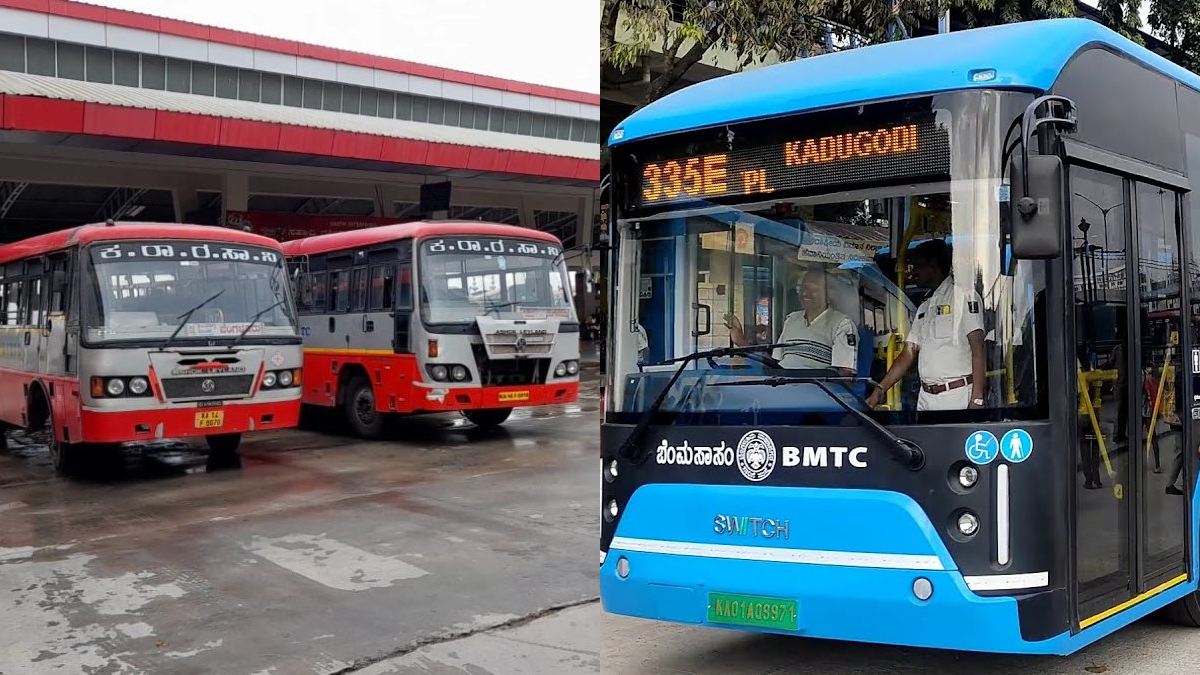
The report says that the fare hike to be considered could put additional pressure on public transport users, but that the companies need to revamp their fares to avoid any further deterioration in their financial health. If not, the corporations would not be able to carry out their operational commitments.
One of the major concerns in the report is the estimated annual financial burden of around Rs 8,000 crore from employee salaries, spare parts, and diesel expenses. The transport corporations are expected to receive around Rs 6,600 crore from the government in this regard, including amounts for the Shakti scheme. It provides free bus transport for women on state-run non-luxury bus services in Karnataka.
The program has significantly increased public transport access for beneficiaries, but the transport corporations need government money to cover such trips. Delays in the payment of grants and cash flow have also made them financially unstable, which strengthens the argument for fare revision.
Even though the state government has recommended a 25% increase, it is apparently considering a more moderate revision in the future. Talks are being held for a 13% to 15% hike in KSRTC, NWKRTC, and KKRTC tickets, and BMTC fares in Bengaluru could increase by 17%.
These numbers are being considered at this stage and are not officially approved fare increases. If implemented, the different rates would reflect the government's current deliberations on the financial status of transport corporations and the impact on commuters.
The final decision will be made after the Atul Tiwari committee's report is presented to the state Cabinet. The government is considering issuing the fare revision order in the first week of November, but the decision will be made under the government's authority and administrative requirements. The upcoming Legislative Council elections will also affect the timing of the decision. Currently, existing bus fares remain applicable until the official order is issued.
A fare increase would affect daily commuters, office-goers, students, and other passengers who use Karnataka's public transport system. Bengaluru passengers would be particularly worried about a BMTC fare hike since city buses are a vital part of daily transportation for thousands of people.
Passengers who travel longer distances through KSRTC and regional transport corporations might also find themselves paying more if that change is approved. It will be up to the government to improve the corporations' finances without placing an excessive burden on ordinary commuters. So far, the committee's 25% recommendation has prioritised the proposed fare revision, but it will be up to the Cabinet to determine if it will be implemented and when.





Comments
Leave a Comment