
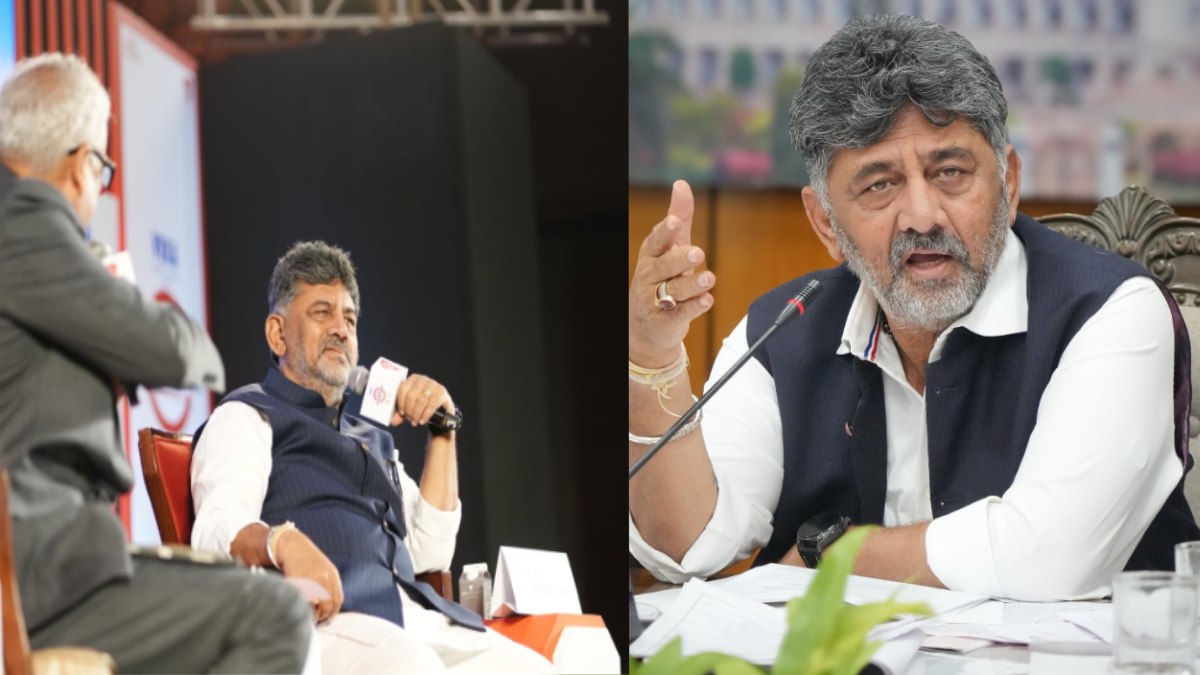
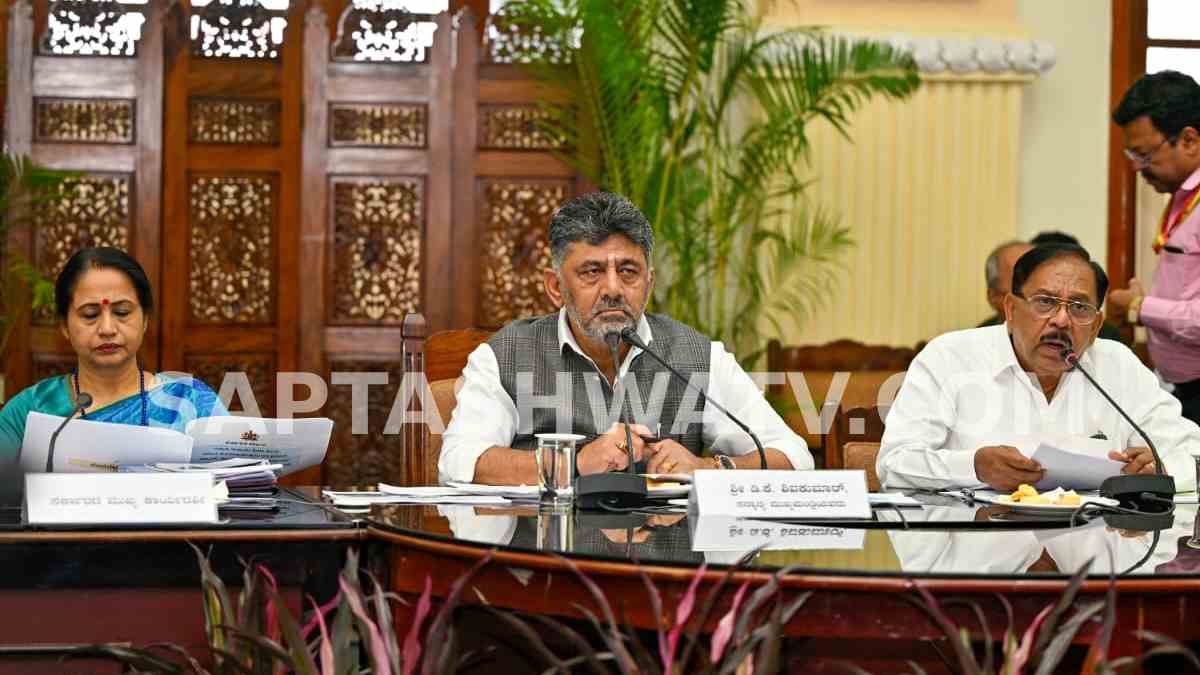
Karnataka government gets permission to prosecute IAS officer Gyanendra Kumar Gangwar for corruption and irregularities in KPSC recruitment process. Deputy Chief Minister D. K. Shivakumar announced this on October 24, 2026, to strengthen the government's commitment to public recruitment transparency and accountability and the government wants to be a role model for all people of India through the KPSC recruitment process that is transparent and accountable.
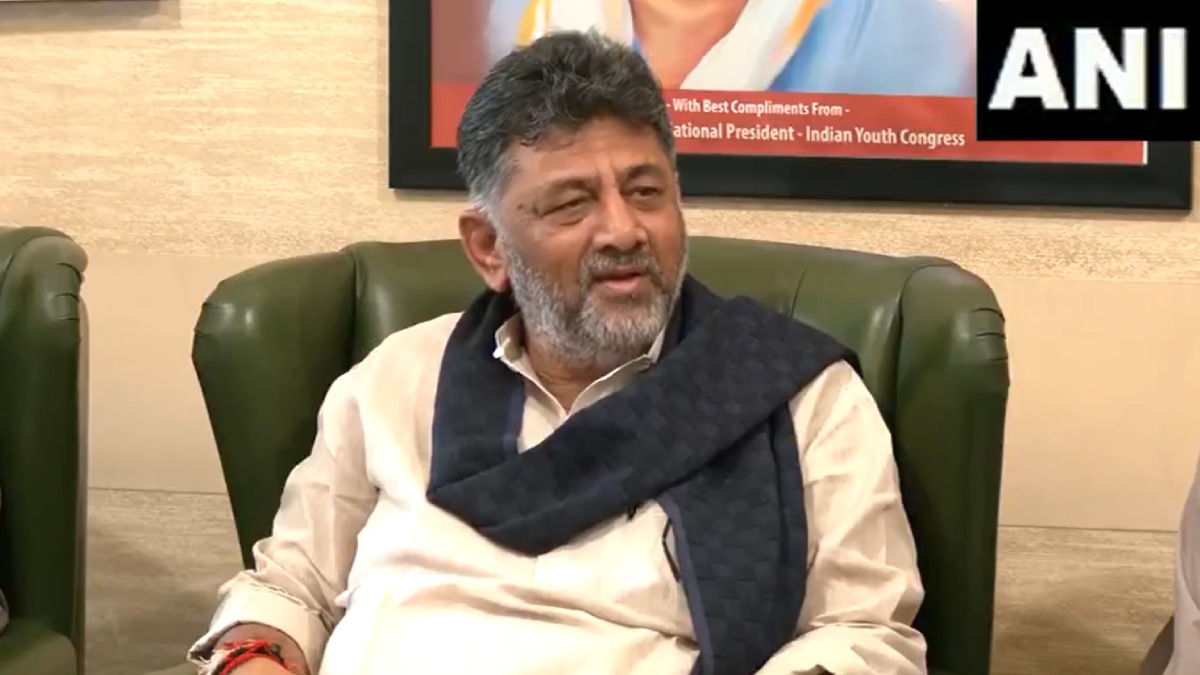
Shivakumar said there would be no room for corruption and no protection for those convicted. But he said the irregularities in government recruitment are damaging for the young aspirants who depend on fair and merit-based selection.
Karnataka Government takes action in KPSC case.
The prosecution sanction is an important step in the investigation into the alleged irregularities with the recruitment of veterinary officers in Karnataka. The CID is investigating allegations that leaked examination questions were given to candidates before the examination.
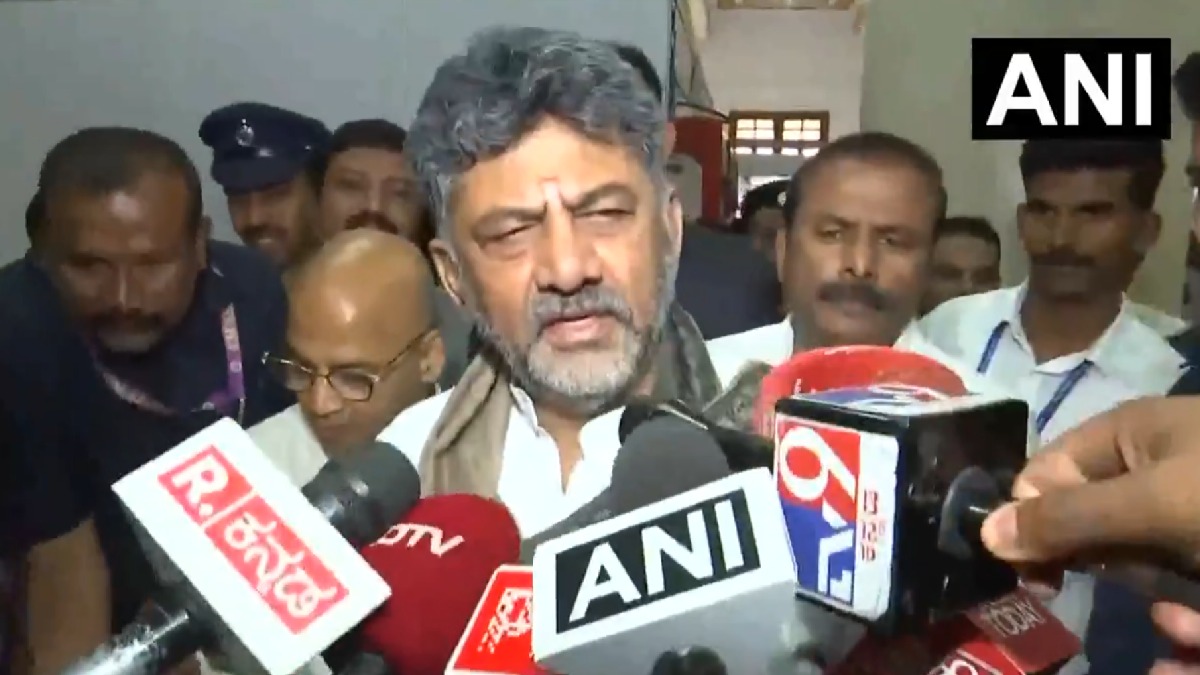

Gangwar, a 2016-batch IAS officer of Karnataka cadre, was the Controller of Examinations at KPSC from January 2024 to March 2026. He was arrested on August 29, 2026 in connection with the case and was suspended by the state government.
The sanction is an important procedural step that enables the investigation agencies to pursue prosecution in accordance with the law. It does not, by itself, establish the officer's guilt.
What are the allegations against Gangwar?
The case concerns the recruitment examination for 400 veterinary officer posts in Karnataka. Exam papers allegedly reached unauthorized candidates prior to the tests on 8th and 9th January 2026, CID revealed.
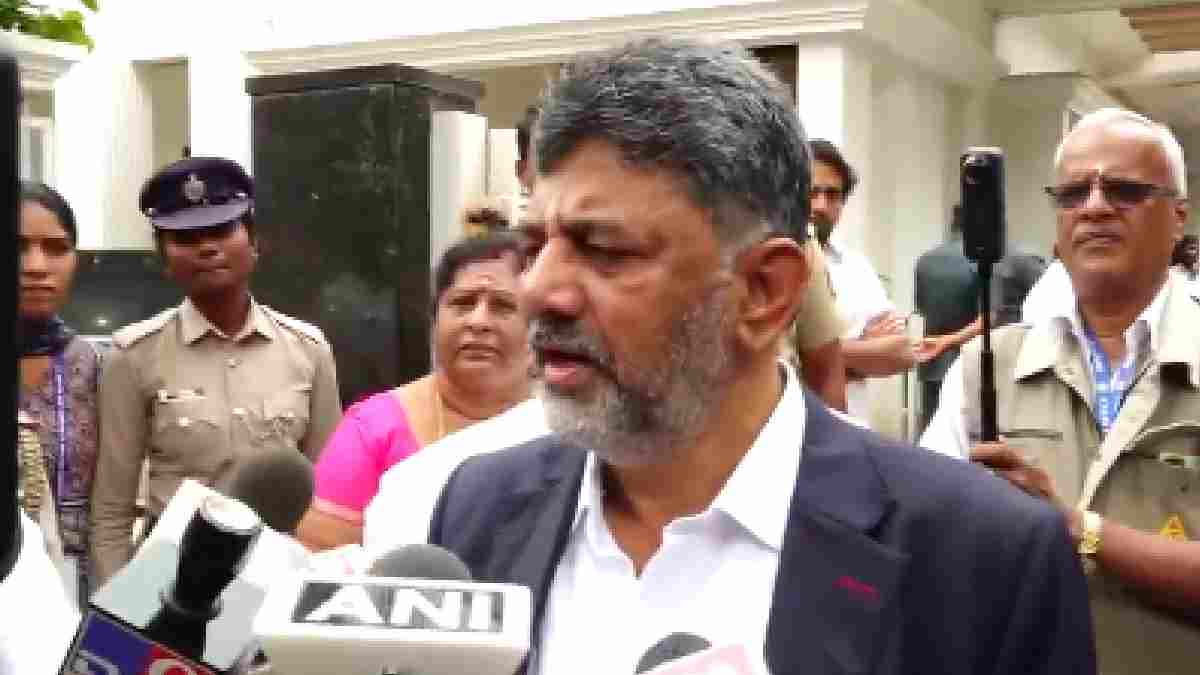
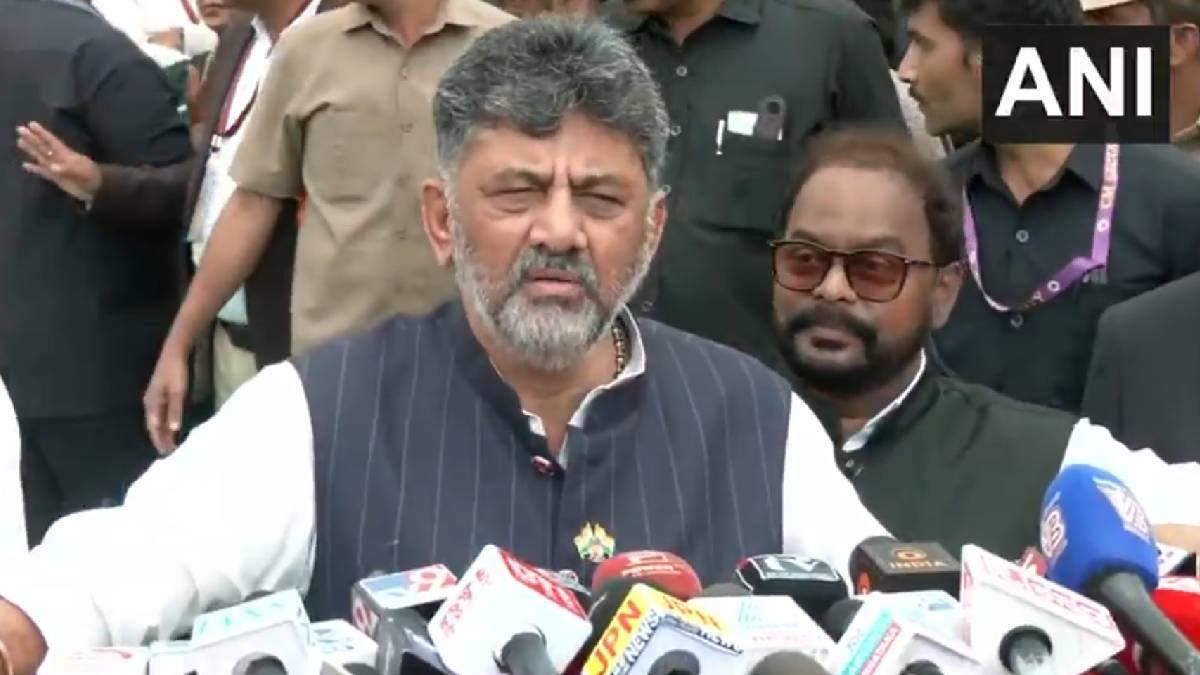
Investigators have also alleged that a middleman, Basavaraj Kannale, helped to connect candidates with the alleged question-paper leak. Some of the candidates who had access to the material subsequently appeared among the top-ranked candidates.
Investigators have also investigated alleged payments linked to the recruitment process and financial transactions involving people connected with the case. The Enforcement Directorate (ED) has separately investigated the potential money laundering dimension.
These facts remain allegations reported in relation to the ongoing investigations. The claims should be established through the legal process and the accused have due process.
ಭ್ರಷ್ಟಾಚಾರಕ್ಕೆ ಅವಕಾಶವಿಲ್ಲ, ತಪ್ಪಿತಸ್ಥರಿಗೆ ರಕ್ಷಣೆ ಇಲ್ಲ ಕರ್ನಾಟಕ ಲೋಕಸೇವಾ ಆಯೋಗದ (ಕೆಪಿಎಸ್ಸಿ) ನೇಮಕಾತಿ ಹಗರಣಕ್ಕೆ ಸಂಬಂಧಿಸಿದ ಭ್ರಷ್ಟಾಚಾರ ಪ್ರಕರಣದಲ್ಲಿ ಐಎಎಸ್ ಅಧಿಕಾರಿ ಜ್ಞಾನೇಂದ್ರ ಕುಮಾರ್ ಗಂಗ್ವಾರ್ ವಿರುದ್ಧ ಪ್ರಾಸಿಕ್ಯೂಷನ್ಗೆ ಅನುಮತಿ ನೀಡಲಾಗಿದೆ. ಯುವಜನತೆಯ ಭವಿಷ್ಯದ ಜೊತೆ ಆಟವಾಡುವ ಯಾವುದೇ ಕೃತ್ಯಗಳನ್ನು ನಮ್ಮ ಸರ್ಕಾರ ಸಹಿಸುವುದಿಲ್ಲ. ಸಾರ್ವಜನಿಕ ನೇಮಕಾತಿ ವ್ಯವಸ್ಥೆಯ ವಿಶ್ವಾಸಾರ್ಹತೆಗೆ ಧಕ್ಕೆ ತರುವ ಭ್ರಷ್ಟಾಚಾರವನ್ನು ಸರ್ಕಾರ ಗಂಭೀರವಾಗಿ ಪರಿಗಣಿಸಿದೆ. ಆಡಳಿತದಲ್ಲಿ ಪಾರದರ್ಶಕತೆ ಮತ್ತು ಪ್ರಾಮಾಣಿಕತೆಗೆ ಆದ್ಯತೆ ನೀಡುವುದು ನಮ್ಮ ಬದ್ಧತೆ. ನಮ್ಮ ಸರ್ಕಾರದಲ್ಲಿ ಭ್ರಷ್ಟಾಚಾರಕ್ಕೆ ಅವಕಾಶವಿಲ್ಲ, ಆಡಳಿತಕ್ಕೆ ಕಪ್ಪುಚುಕ್ಕೆ ತರುವ ಕೃತ್ಯಗಳಿಗೆ ಮನ್ನಣೆಯಿಲ್ಲ. -ಶ್ರೀ @DKShivakumar ಸನ್ಮಾನ್ಯ ಮುಖ್ಯಮಂತ್ರಿಗಳು, ಕರ್ನಾಟಕ ಸರ್ಕಾರ
— CM of Karnataka (@CMofKarnataka) October 24, 2026
Public Recruitment and transparency in government recruitment.
Shivakumar pointed out the need to protect the credibility of Karnataka’s public recruitment system. Government examinations are one of the most important routes to employment for millions of young people and transparency and equal opportunity are fundamental to public confidence.
Any alleged leak of examination papers can disadvantage candidates who prepare honestly and follow the prescribed rules. That has raised broader questions about how sensitive examination material is handled, the role of recruitment agencies and officials’ accountability.
Shivakumar, the government’s position, is that corruption affecting recruitment will be treated seriously and administrative accountability must be upheld.
What will happen?
With prosecution sanction obtained, the agencies can take the next legal actions that are permitted under the laws. The CID investigation and ED’s investigation of suspected financial transactions are the key to establishing facts of the case.
The proceedings may also help determine whether other people were involved and what action, if any, is warranted against them.
The question for the candidates and the public at large is whether Karnataka’s recruitment system can ensure that every applicant gets a fair chance on merit. Ultimately the outcome of the case will be determined by the evidence presented and the decisions of the competent courts.
The government has said it is going to take responsibility for it, and the question of criminal liability will be left for the court to sort out.







Comments