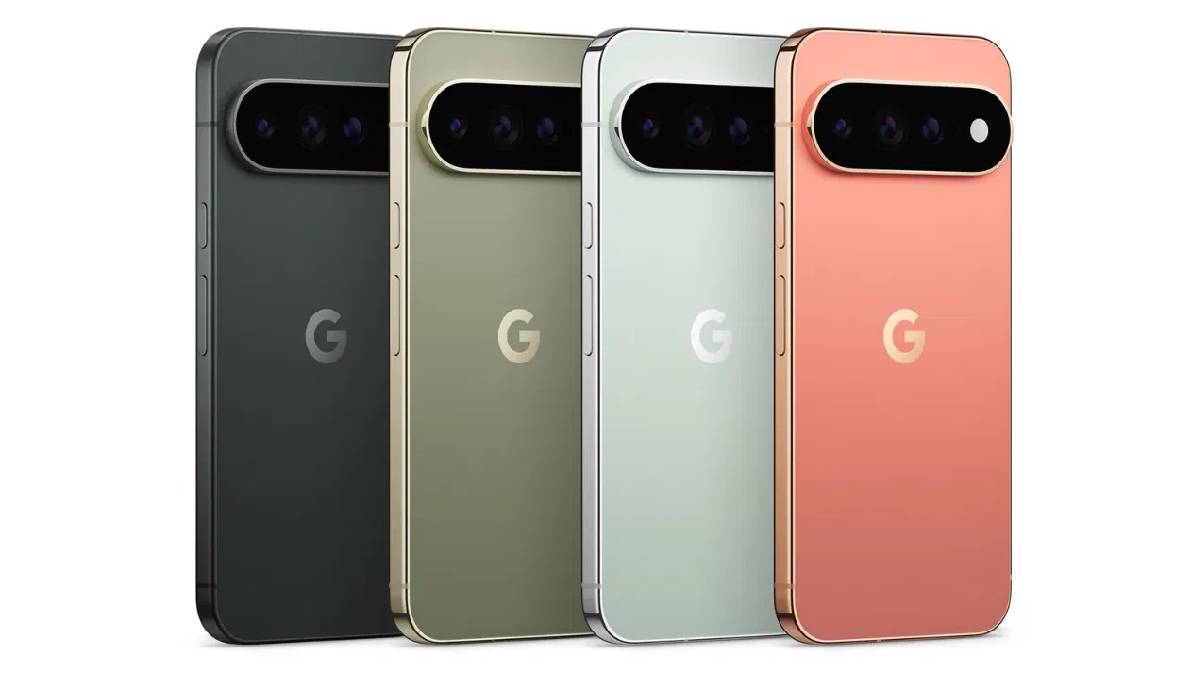
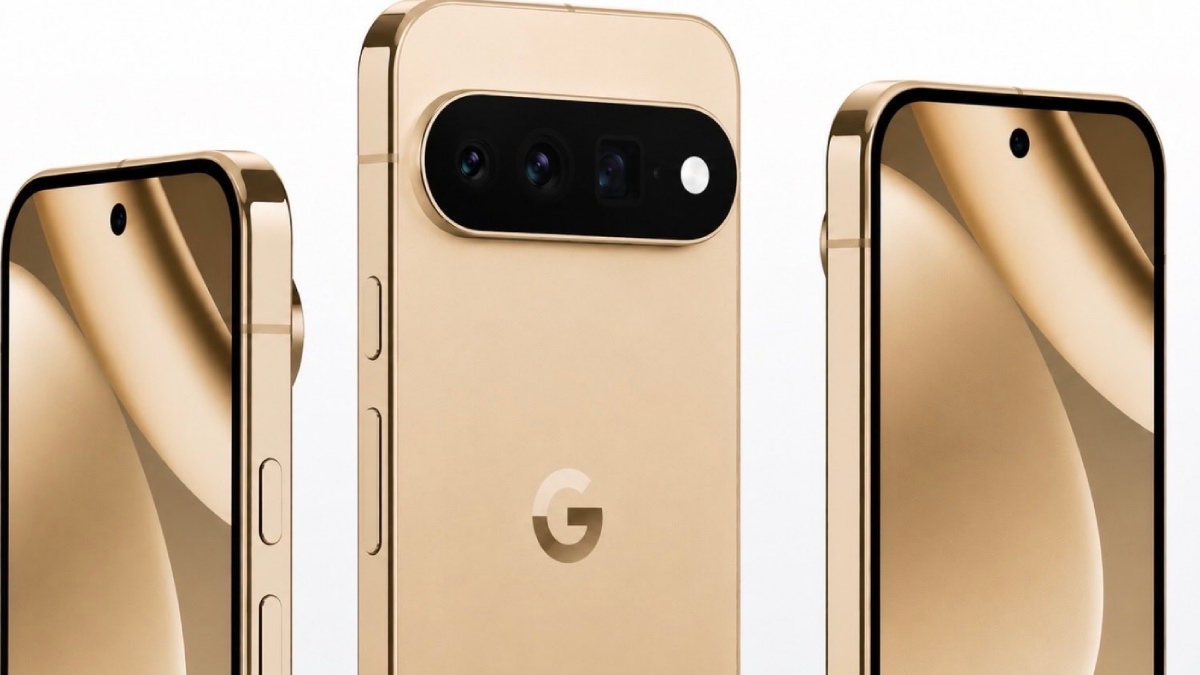
The imminent Google Pixel 11 series could also face a major setback for privacy/security oriented Android users, with GrapheneOS developers who are working on the Pixel 11 series likely to not be able to support the new smartphones. A partial port to the Pixel 11 series has been developed from the GrapheneOS project, but there is no support for ARM hardware memory tagging (MTE) is no longer working with the Pixel 11 series as yet, as reported by the GrapheneOS project.

The developers have also expressed concerns that the Pixel 11 may lack the necessary support for MTE across software, firmware and, potentially, hardware. GrapheneOS is a security tool that heavily relies on hardware memory tagging and without this feature, it will not provide the same level of protection on the Pixel devices that were previously supported.
GrapheneOS is not happy with the decision, since the removal of MTE support would be a severe security issue for a smartphone that is marketed as premium.
Why MTE is important for GrapheneOS
Memory Tagging Extension is an ARM security technology to identify and mitigate memory-related vulnerabilities. These are among the most serious security problems facing modern operating systems and applications today.
GrapheneOS uses hardware memory tagging in its base operating system, including its kernel and standard operating system processes. The project said the technology provides increased protection against a wide range of remote exploits and several types of local exploits.

Google's Pixel 8 series introduced hardware MTE support in October 2023. GrapheneOS subsequently integrated the technology into its hardened memory allocator and expanded its use across the operating system.
In addition, Android and Google's Pixel software, which does support MTE, were not necessarily supported by default. Android's Advanced Protection Mode was added to the OS in Android 16, which allows for MTE to be enabled in a limited number of processes.
GrapheneOS, however, has taken a more aggressive approach by enabling the security technology across a larger part of the operating system.
GrapheneOS Partial Pixel 11 Port Hits a Roadblock
GrapheneOS developers said they were able to make partial progress on bringing the operating system to the Pixel 11 series after about a week of development.
However, the lack of support for ARM hardware memory tagging has prevented the team from completing the port.
All developers have said that support might be missing not only at the software level but also in firmware and possibly the hardware of the device. If this is true, then GrapheneOS may not be able to offer its usual memory tagging on Pixel 11.
The project has not made a final decision on whether it will officially drop the support for Pixel 11. But the developers have said skipping the Pixel 11 generation really is the best choice if the limitations can’t be addressed.
We have a partial port of GrapheneOS to the Pixel 11 series after a week of work on it. We're unable to complete the port due to lack of support for ARM hardware memory tagging in software, firmware and near certainly hardware. It appears Google cut an important security feature…
— GrapheneOS (@GrapheneOS) August 29, 2026
Pixel 11 would also be expected to receive other security improvements.
Despite the criticism, the Pixel 11 series is expected to include several other security improvements.
Based on GrapheneOS information, the devices may introduce post-quantum secure verified boot with ML-DSA technology. Pixel 11 also will likely move away from Samsung's Shannon IMS implementation and use AOSP IMS.
The Titan M3 security chip is also expected to be an improvement. The security chip could provide better protection against data extraction during the Before First Unlock, or BFU, state.
BFU is when a smartphone has been powered on but has not yet been unlocked for the first time using the owner's passcode or password.
GrapheneOS developers acknowledged that Titan M3 could improve BFU security. However, they stressed that the loss of MTE would negatively impact after first unlock, or AFU, security.
The project believes memory tagging is quite important to protect against exploits during normal device use.
Apple takes a different approach with Memory Integrity.
The MTE debate has also drawn comparisons with Apple's memory security strategy.
Apple has introduced Memory Integrity Enforcement, or MIE, on the iPhone 17. The technology is an implementation of modern ARM memory-tagging capabilities.
Unlike optional security features, which require developers to enable them manually, Apple’s approach reportedly keeps Memory Integrity Enforcement as part of the operating system’s security architecture.
GrapheneOS developers have praised Apple's implementation but point out that in general Android and iOS do not require third-party applications to feature aggressive memory protection systems.
GrapheneOS has thus far concentrated on extending MTE coverage and allowing users to enable it more generally. The operating system will allow users to add memory tagging to installed apps and, if compatibility issues occur, will let individual apps opt out.
Pixel 11 hardware is also criticized.
The GrapheneOS project has also criticised the expected hardware improvements in the Pixel 11 series.
As developers warned, with the new lineup in view, the new hardware would offer only incremental CPU improvements and its GPU would remain underpowered. They also noted the RAM reductions on some of the Pro models and questioned the value of the devices at their price points.
The project compared the Pixel 11 with smartphones using Qualcomm's Snapdragon 8 Elite Gen 5 processor and claimed that Qualcomm's chipset provides substantially higher CPU and GPU performance along with improved cellular connectivity.
The next generation of Snapdragon-powered devices could also become increasingly important for GrapheneOS.
Motorola Partnership Could Change GrapheneOS Strategy.
GrapheneOS has already indicated that its future may not be entirely dependent on Google Pixel smartphones.
The project is working towards supporting future Motorola devices and the Pixel 11 situation could accelerate that transition.
For years, Pixel and earlier Nexus devices were used as reference devices for the Android Open Source Project. Pixel support was reportedly removed from AOSP with Android 16, which adds to the challenges for other OSes.
GrapheneOS still depends on manufacturers for firmware and many driver updates. The project has stated that its partnership with Motorola could provide opportunities to improve device support, access to newer kernel branches and long-term software development.
GrapheneOS recommends earlier Pixel Models
At present, GrapheneOS developers are advising the security-conscious users to not buy the Pixel 11 series until the situation is clearer.
The project has suggested that the Pixel 8, Pixel 9 and Pixel 10 series may offer better overall security for GrapheneOS users because of their support for hardware memory tagging.
The Pixel 10 is suggested as a better choice for users that are willing to get similar hardware with MTE support.
GrapheneOS has not made a final decision on the Pixel 11 lineups. The developers could still explore possible solutions, but they also make it clear that skipping a whole Pixel generation might be possible.
The situation for consumers highlights a very real problem in smartphone security: new hardware doesn’t necessarily mean that it is more secure in every area. Pixel 11 might have some improvements such as post-quantum verified boot and Titan M3, but there’s no MTE and that will be an enormous problem for operating systems that rely on hardware memory protection. The final decision from GrapheneOS will be closely watched by privacy-oriented Android users. If Pixel 11 support is ultimately scrapped, the Motorola partnership would be a major shift in the GrapheneOS ecosystem.