Panasonic has expanded its camera portfolio in India with the new LUMIX L10, a model that will appeal to photography fans, content creators and users looking for a versatile interchangeable lens camera.
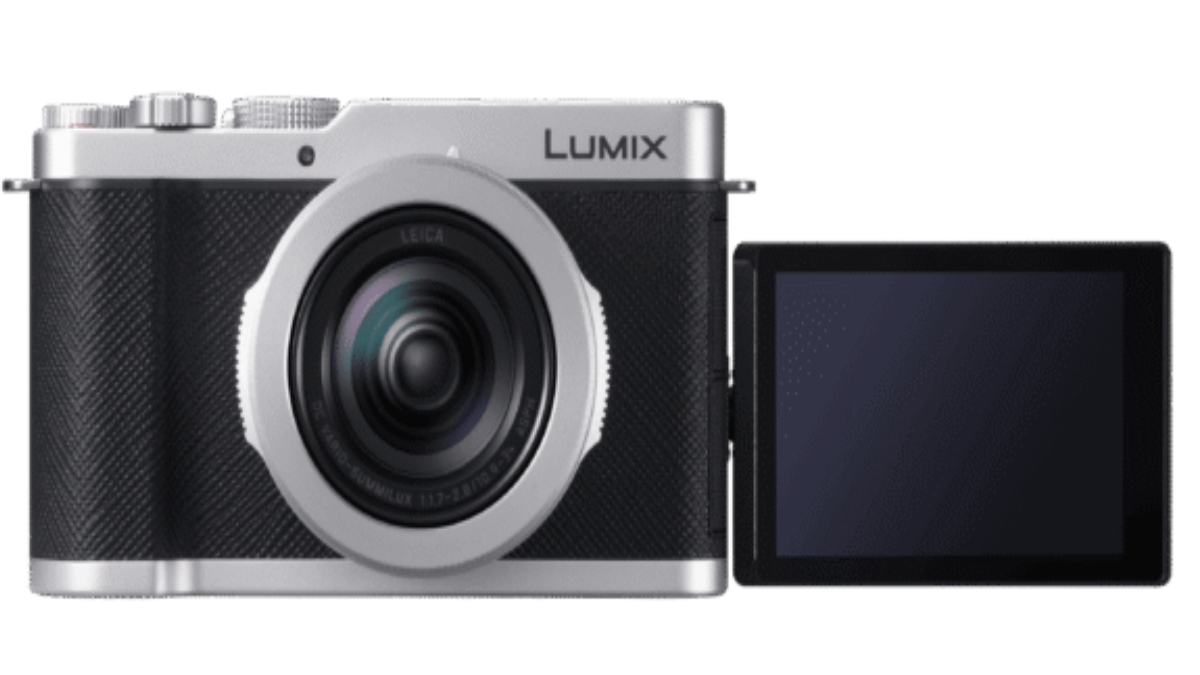
With a Leica lens, a compact design and the broad range of features that are available in photography and video applications, the Panasonic LUMIX L10 is a premium choice for those looking to move out of smartphone photography. The launch comes at a time when creators, travel photographers and professionals are looking for more control over their images.
The Panasonic LUMIX L10 combines Panasonic’s imaging technology with Leica’s optical expertise. The Leica lens is one of the most noticeable features of the camera and will be a big attraction for customers who enjoy quality image quality, colour reproduction or optical performance and will be an essential characteristic of the camera and will be a key attraction, which is why it is expected to be a big seller in the camera market. Leica branding is an established name for quality optics and adds to the LUMIX L10's appeal.
From the perspective of photographers, one of the most valuable points of an interchangeable-lens camera is the flexibility it provides; unlike smartphones and fixed-lens compact cameras, you can choose lenses as you see fit for a specific camera design.
Wide-angle lenses are good for landscapes and architecture and telephoto lenses are good for wildlife, sports and distant subjects. Portrait photographers can also use lenses that can generate a shallower depth of field and make for a more professional-looking background separation.
The LUMIX L10 is designed to give users more control over their photography experience. Camera controls for photographers are housed in the LUMIX L10 so that shutter speed, aperture and ISO settings are controlled according to the shooting environment. This level of control can be particularly useful in challenging lighting conditions when automatic smartphone photography is not a good idea.
The camera's design is another key feature of the new Panasonic offering. Today’s camera buyers are looking for powerful equipment but not so bulky that they have to carry it around in their hands. A small body can make a big difference for travel photographers and creators who spend long hours on the go outside. The LUMIX series has traditionally been built around functionality and portability, which is what the new model has.
The Leica lens will be the main component of the camera’s performance. Sharpness, contrast and detail are determined by optical quality, especially in high-pressure photography. A good lens can also give photographers a lot more creative freedom to change composition and depth of field.
Video creators are another very big target audience for cameras in this category. YouTube, Instagram, short-form video platforms and professional digital content make most people want better video cameras that are more hands-on than a smartphone. A dedicated camera can be helpful for lens selection, exposure control and shooting flexibility.
The Panasonic LUMIX L10 should attract users who want one device for all kinds of creative purposes. Photographers can use it for still images, while creators can use it for interviews, travel videos, product images and social media. The ability to work with interchangeable lenses also helps users expand their equipment as they develop their skills.
Great performance in low-light photography is also possible with a dedicated camera. With larger imaging systems and high-quality lenses, a photographer can gain a lot of freedom when shooting in dim environments. This is particularly useful for indoor events, evening photography, street photography and creative portrait work.
The camera market in India has also changed dramatically over the last few years. Smartphones have become extremely capable photography tools, but they have not eliminated demand for dedicated cameras. Instead, the market is now more focused on users who want specialized equipment for professional work, enthusiast photography and content creation. Cameras like the LUMIX L10 are positioned for consumers who desire more creative control and a more traditional photographic experience.
Therefore, with the launch of the Panasonic LUMIX L10 in India, photography fans who wish to buy a new camera will get a new option in the premium camera category. Buyers will likely compare the camera with Sony, Canon, Nikon and Fujifilm cameras before buying. The lens ecosystem, autofocus performance, image quality, video features, battery life, portability and after-sales support are all factors to be taken into account in the final decision-making process.
Price will naturally be one of the most important considerations for Indian buyers. It is the positioning of the camera, Leica lens and feature set that will determine how competitive it is with similarly priced alternatives. When buying a camera system, consumers should also consider the additional costs of lenses, batteries, memory cards and other accessories.
For beginner consumers of interchangeable-lens cameras, the LUMIX L10 could be an opportunity to learn more advanced photography techniques. Manual controls can help users understand the relationship between aperture, shutter speed and ISO, while interchangeable lenses will facilitate experimentation with different focal lengths and compositions. These skills can help photographers be more deliberate in their image-making over time.
Experienced photographers, on the other hand, may also want the camera as a compact addition to their existing equipment. The Leica lens and LUMIX imaging technology would help with portability and would appeal to users who want the camera to be portable without losing creative freedom.
The presence of Panasonic in the Indian camera market is also representative of the company's broader focus on imaging and creator technology. The LUMIX brand is known for delivering cameras for photography and video lovers, and this new launch builds on that by marrying the capabilities of Panasonic cameras with Leica's lens technology.
The LUMIX L10 is also arriving at a time when visual storytelling is very much a part of digital communication. From travel bloggers and photographers to small businesses and independent filmmakers, high-quality visual content is now an essential part of digital communication. Creative people can make photographs and videos with a flexible camera suitable for websites, social media, advertising and professional portfolios.
So the Panasonic LUMIX L10 looks like it could target more than a basic point-and-shoot experience. Its Leica lens, interchangeable-lens flexibility and creator-centered positioning make it an interesting addition to India’s camera market. The combination of premium optics and Panasonic’s imaging technology could appeal to photography enthusiasts seeking a capable and versatile camera system.
When the camera becomes available to Indian consumers, real-world reviews and hands-on testing will provide a clearer picture of its performance. Buyers will be able to assess factors such as image quality, autofocus, handling, battery performance and video capabilities before deciding whether the camera is worth the money.
With smartphone cameras improving with smartphones, dedicated cameras are likely to be a good choice for both cost and complexity and need to be good enough. The Panasonic LUMIX L10’s combination of Leica optics, manual controls and interchangeable lenses will make it easier to get users to take it to the next level of photography with a higher-end photography level in camera use if they are more serious.
For photography enthusiasts, content creators and users looking to upgrade from smartphone photography, the new Panasonic LUMIX L10 will certainly be worth watching. Ultimately its success in India will depend on its pricing, availability, feature balance and how effectively it delivers the image-making experience expected from a premium LUMIX camera.