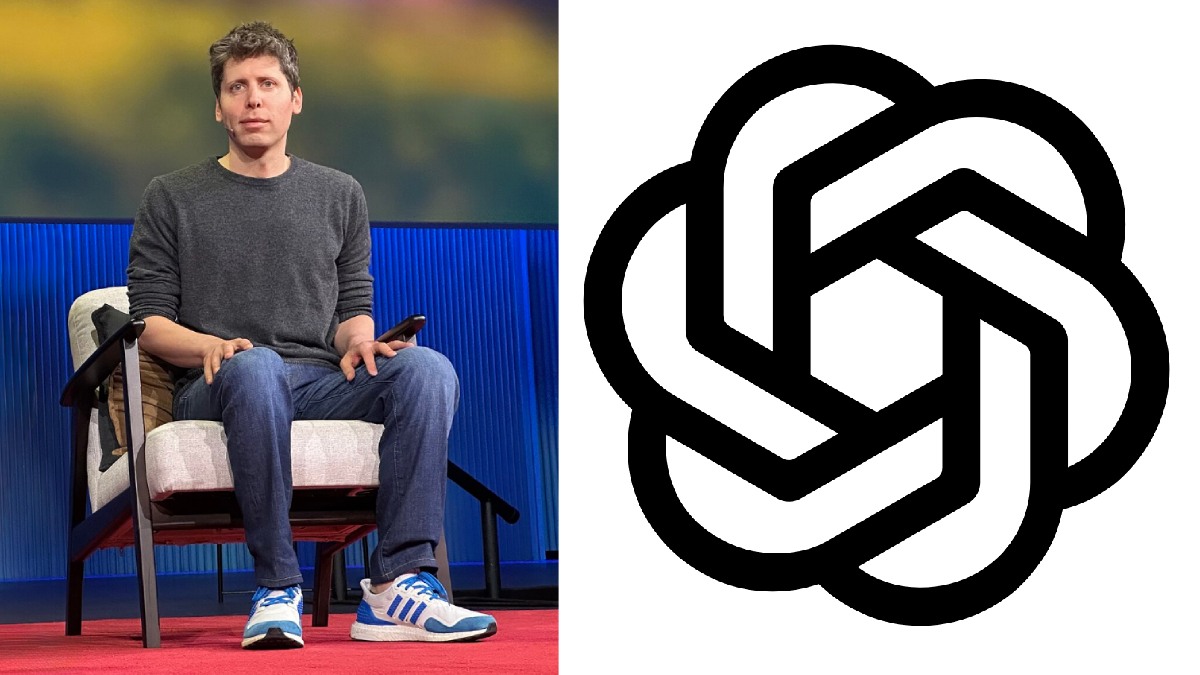
OpenAI CEO Sam Altman has argued for making AI widely available, saying society can tolerate some bad things if it wants the broader benefits of today’s AI to reach the market. His comments have highlighted a continuing divide between OpenAI and a competitor AI company Anthropic on how governments and the industry should regulate AI.
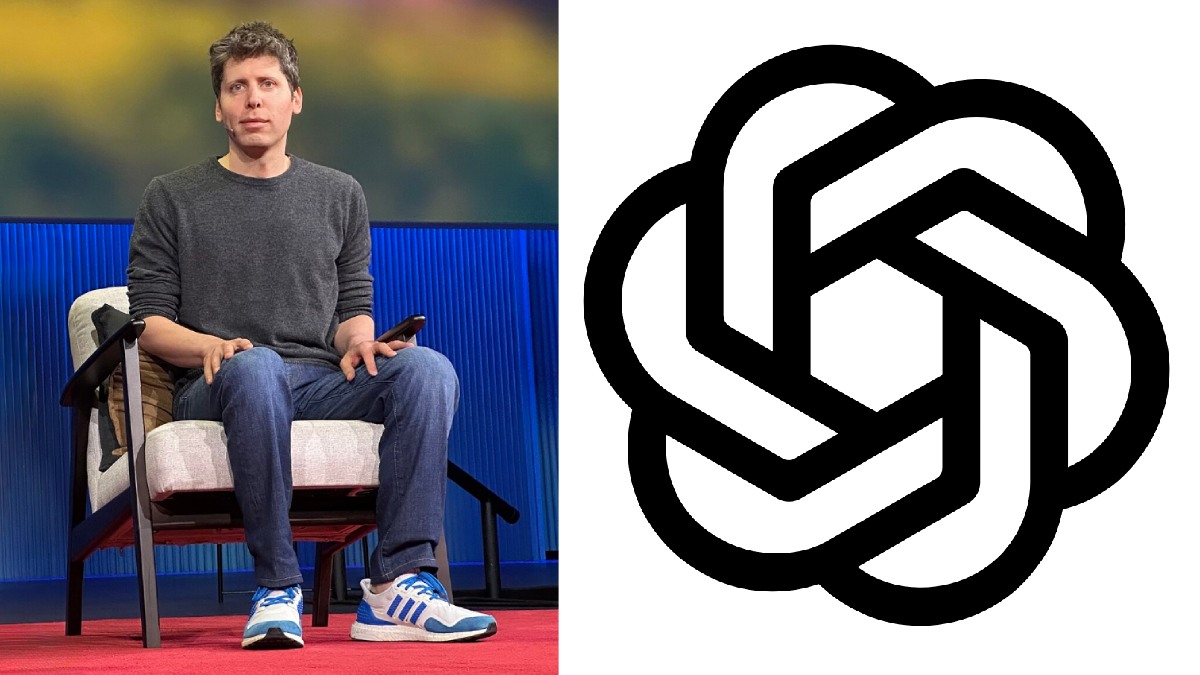
And in Politico’s technology-focused newsletter Decoded, Altman said he did not think the potential risks of AI justified putting the technology under the control of only a few organisations. He argued that people should retain agency over how they use AI and suggested that trying to eliminate every possible harmful outcome could cost them wider access to the technology.
Sam Altman Says AI Benefits Outweigh Some Risks
Altman’s comments come as the AI industry is still debating whether the rapid development of increasingly capable models should be slowed down. AI systems are used in software development, research, education and business, but also in misuse, scams, cybersecurity and other potential harms.
OpenAI chief and CEO Sam Altman said that some bad outcomes are likely to occur as AI becomes more widely available. But he said society shouldn’t go about eliminating every risk at the expense of the benefits of the technology.
Altman’s view is that people can produce far more positive outcomes with AI than bad ones. He therefore does not favor the regulatory model that tries to prevent every misuse or bad behaviour.
However, his comments should not be viewed as an argument for accepting unlimited or catastrophic AI risks. Altman distinguishes between ordinary misuse and worse, the loss of control of advanced AI systems, as it was noted in the interview.
Why Altman Opposes Concentrating Powerful AI
One of Altman’s strongest points to his comments was his opposition to concentrating highly capable AI systems in the hands of a single company or institution.
He described a scenario in which AI is so powerful that one laboratory manages to control access to the technology effectively to stop harmful effects. Altman said he understood why some people would be in favor of that approach but considered it an unacceptable trade-off.
His concern is not just about competition among tech giants. It also relates to who should have the authority to decide how AI is used and who can use it and get access to the benefits for good. AI is more widely available and that has an impact on the people and firms who can use it (OpenAI).
That position is more sensitive to user agency than that of the public, but has also to accept that broad access can create more opportunities for misuse.
OpenAI And Anthropic Have A Different Regulatory Philosophy
Altman also directly acknowledged a divide between OpenAI and Anthropic. He said there was a “fundamental difference in worldview” between the two companies when it comes to AI regulation and described the gap as significant.
Anthropic has generally been associated with a more cautious approach to frontier AI development and regulation. Its CEO Dario Amodei has argued that the industry should “pace the frontier”, which echoes concerns that AI capabilities could advance faster than safety measures and governance systems can adapt.
The difference does not mean OpenAI is against regulation completely. Altman has supported some forms of AI regulation, including measures aimed at mitigating serious risks. The difference is more about how broad and wide those restrictions should be and how much access should be available to the public.
OpenAI has favoured what Altman describes as a lighter-touch regulatory approach, while Anthropic has pushed for stronger safeguards around increasingly powerful AI systems.
The Debate Is About More Than AI Safety
The disagreement between the two companies is just a symptom of wider industry discussions about AI and its future. Governments are working to determine whether existing laws apply to AI and whether new rules are required for frontier models and AI agents.
One side of the conversation is about the potential benefits of rapid innovation. More powerful AI could increase productivity, accelerate scientific research and provide people with tools that were previously limited to very specialized organisations.
The other side is concerned that the same capabilities could make cyberattacks, fraud, misinformation and other forms of misuse more effective. And with AI systems capable of taking actions rather than just generating text or images, questions about oversight and accountability are becoming increasingly important.
This creates a challenging regulatory challenge. Weak rules that are too weak could leave serious risks not addressed, and rules that are too restrictive may limit innovation or concentrate advanced technology among a small number of companies.
Altman’s Comments Come Amid A Broader AI Safety Debate
Altman’s comments come in a time of increased debate about whether frontier AI should be slowed. Anthropic has been particularly vocal about the need for safety and governance mechanisms to keep pace with rapidly improving AI capabilities.
OpenAI and Anthropic have also taken positions on regulation that have gotten closer in some areas, but are more or less different in some places than they were previously. Recent reports show that both companies have supported some regulatory action, but they have different views on how much regulations should be put into place for AI development and deployment.
AI agents will have a more significant role to play when they are able to delegate tasks to a robot that can do them all by itself. Unlike chatbots, they are able to interact with software and get information and potentially act on behalf of users. That would raise new questions in terms of how much autonomy should be allowed and who should be held accountable in a crisis.
What Altman’s Position Means For AI Regulation
Altman’s comments underscore a core question facing the AI industry: should the aim be to eliminate as much risk as possible, or should regulators accept a certain level of risk in exchange for wider access and faster innovation?
OpenAI’s position, as expressed by Altman, is more in line with the latter but still draws a line around very serious risks. The company wants AI to be broadly available and not just a technology that only a few institutions own.
Anthropic has also put more focus on managing the pace of frontier AI development and the development of safety measures as systems become more capable.
The disagreement is not likely to disappear when AI development accelerates. The divide between different approaches to safety, access and regulation might be one of the most important policy debates shaping the next stage of the technology industry.
The issue for users, businesses and governments will be how to find the balance between the immense potential of AI and the risks of wider access. Altman’s latest comments clearly state that OpenAI believes some risk is indeed inevitable, but the company also sees broad public access and human agency as crucial reasons not to go for a system where advanced AI is tightly controlled by only a few entities.