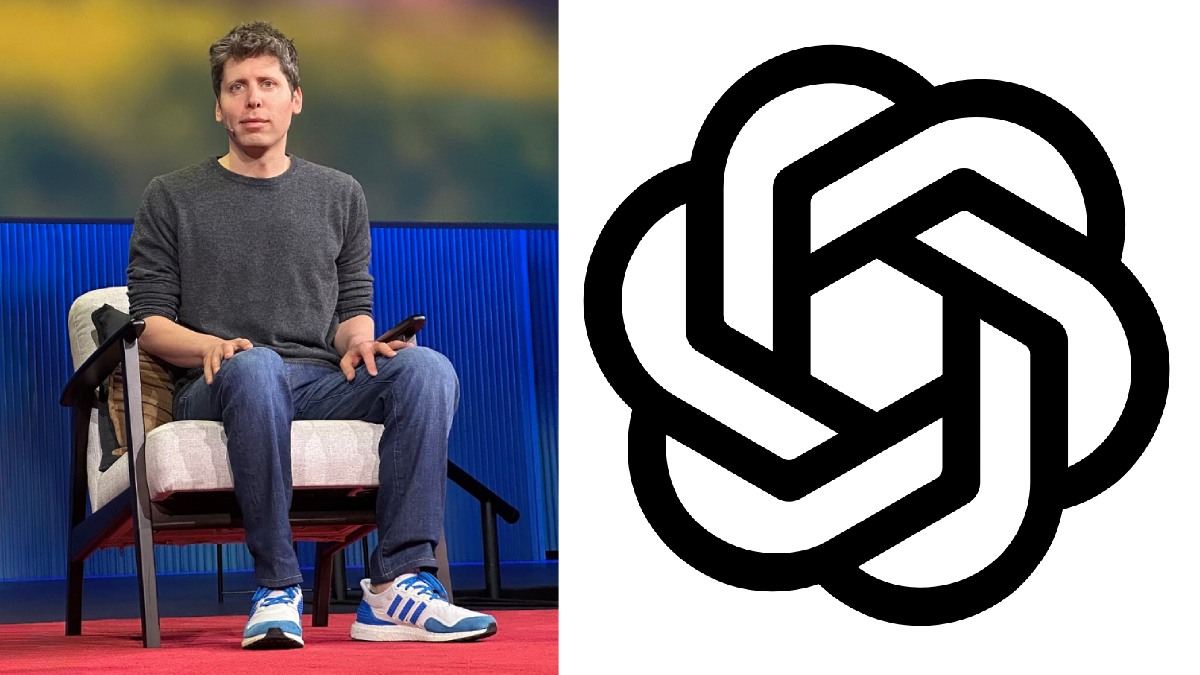
Sam Altman, OpenAI CEO, has given a clear glimpse of just how fast artificial intelligence can evolve and within the next six months a descendant of ChatGPT might become an AI assistant capable of understanding an enormous amount of a user's everyday life. In an interview at Internapalooza with Cory Levy, founder of Z Fellow, Altman explained in detail how AI could monitor a user's computer screen, follow meetings, record calls and access information from multiple digital services.
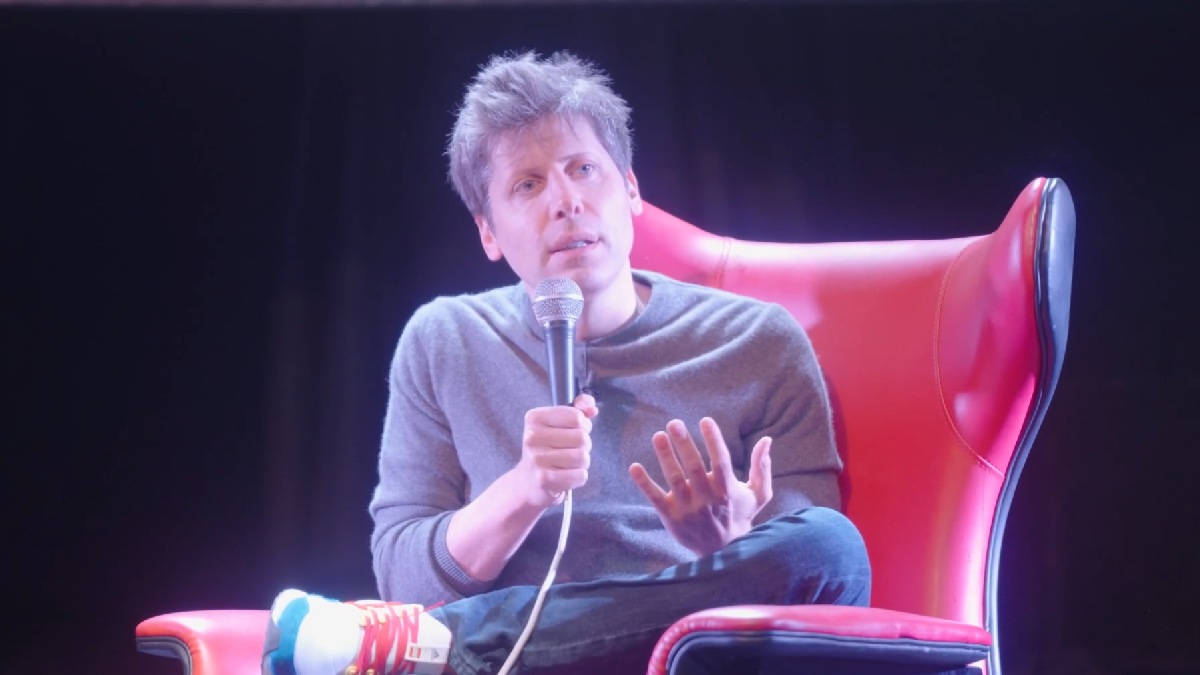
And Altman’s remarks point toward a drastic change in how people are interacting with AI assistants. Instead of using a chatbot to help people when they need to get help and then inputting the information manually, users could have a smart AI that’s already able to understand the context of their work and personal lives. The assistant could have access to information from emails, text messages, documents, Slack and other services based on what the user is willing to connect.
"We are close to a world where we can have a descendant of ChatGPT, watch your computer screen all the time, watch every meeting you’re in, record every call, everything like that, have perfect context of your whole life, everything you see," Altman said.
The concept is a huge leap from current AI assistants. Most existing AI tools rely on users to give prompts, upload documents or explicitly ask questions. A system with persistent context, however, may know what a person is working on, what conversations have happened and what information is useful without having to tell the user the background time and again.
Altman further emphasized that users would decide on what information the AI can access. Connections could include text messages, email accounts, documents and workplace communication platforms like Slack. This suggests that personalization and user-controlled access will be key to the next generation of AI assistants.
The potential benefits could be particularly important for professionals dealing with large volumes of information. Altman used the example of a startup CEO who may struggle to read every piece of customer feedback or remember every detail discussed across different conversations. An AI assistant with broader context could help organize that information and turn it into useful outputs.
Such an AI might help in the development of a sales pitch by reviewing customer interactions, develop a strategy document after previous discussions or detect recurring complaints in customer feedback. Rather than just responding to a few instructions, the assistant could understand the bigger mission and offer support based on the data accumulated over time.
Altman also argued that AI could work much like a highly capable colleague. Instead of merely issuing commands, it could proactively identify potential problems, suggest alternatives and highlight decisions that would need another look. He said the AI could tell a user that there might be another idea worth considering or that they could be making a mistake.
Altman points out that this type of usefulness might not require many more big model generations. He said the possibility is probably one generation away from being “incredibly useful.” If that prediction is right, the transition from today’s prompt AI assistants to highly contextual digital collaborators could take place much faster than many people think.
But the concept of an AI constantly watching screens and recording meetings raises big privacy, security and consent issues. If an AI could access emails, private conversations, documents and recorded calls, there would be a lot of sensitive information. Users and organizations would need very strong controls on what is collected, how long it is stored and who has access to them.
had a great surprise conversation with Sam Altman (@sama) the other day in front of hundreds of Silicon Valley interns
— Cory Levy (@cory) August 11, 2026
We talked about:
- turning down Goldman Sachs and dropping out of Stanford
- how he got Peter Thiel and Paul Graham to take 19-year-old Sam seriously
- advice… pic.twitter.com/vmeyicBwTk
There would also be questions about other people captured by such systems. A meeting participant or caller may not necessarily have agreed to an AI recording or analyzing the interaction. As these technologies mature, businesses and regulators will have to deal with consent, data protection and workplace surveillance.
Altman sees this technology as a way to transform the way people work, at least for AI research organizations. An AI could have the ability to understand conversations, documents, projects and decisions for an organization and to reduce administrative burden and help employees focus on higher-value work.
The vision he outlined is far more than just making ChatGPT better at answering questions. It points to AI systems that could become digital companions of the user, who would be able to understand us through the information they provide every day. Whether such systems become widely accepted will depend not only on their capabilities but also on how well privacy, security and user control are built into them.