Amavasya, also known as the New Moon day, is one of the most spiritually significant days in the Hindu lunar calendar. It marks the phase when the Moon is not visible in the sky, symbolizing introspection, spiritual cleansing, and remembrance of ancestors. Devotees across India observe this day with prayers, rituals, and acts of charity.
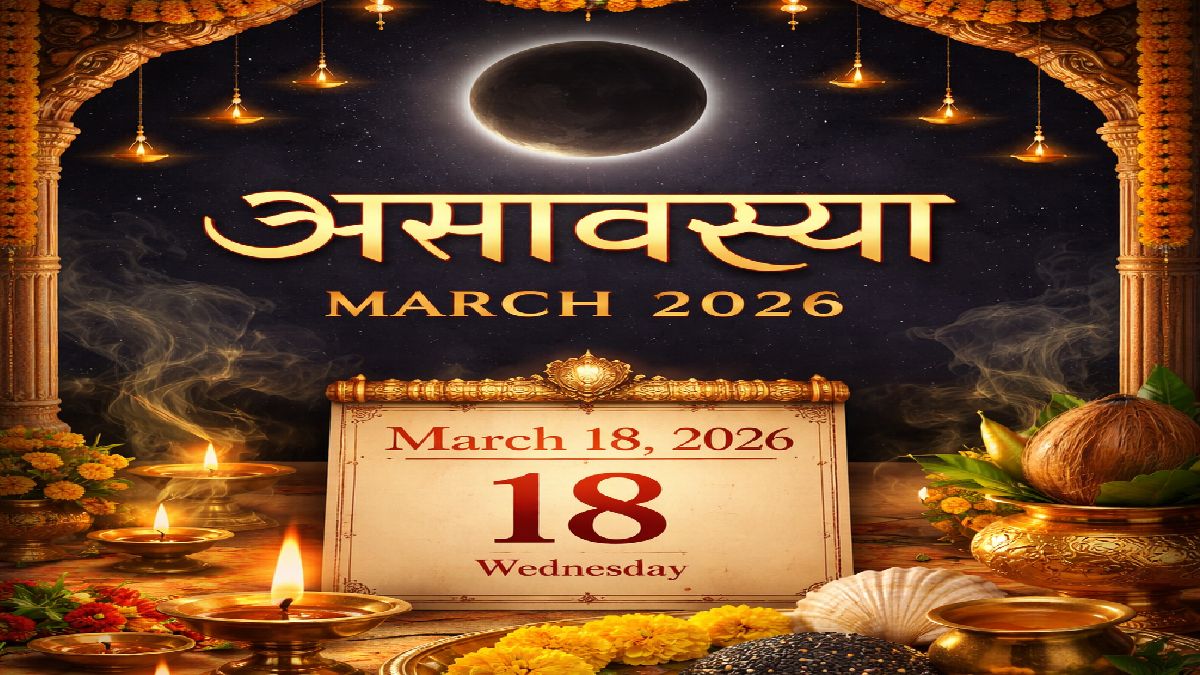
Amavasya Date in March 2026
In March 2026, Amavasya will be observed on Wednesday, March 18, 2026. This day is considered highly important for performing religious rites, especially those dedicated to ancestors (Pitru Karma).
Amavasya Tithi Timings
As per traditional Hindu Panchang calculations:
- Amavasya Tithi Begins: Late night on March 17, 2026
- Amavasya Tithi Ends: Evening on March 18, 2026
Since Hindu festivals and rituals are based on Tithi (lunar day) rather than the Gregorian calendar date, most observances will take place on March 18.
Spiritual Significance of Amavasya
Amavasya holds deep religious importance in Hinduism. It is believed that on this day, the energies of the universe are aligned in a way that supports spiritual growth and inner reflection. The absence of moonlight symbolizes a time to look inward, let go of negativity, and seek peace.

One of the key aspects of Amavasya is its association with honoring ancestors. Devotees perform Pitru Tarpan and Shraddha rituals to offer prayers for the departed souls. It is believed that these rituals help bring peace to the ancestors and remove obstacles from one’s life.
In many parts of India, Amavasya is also considered a powerful day for meditation, mantra chanting, and visiting sacred places like temples or riverbanks.
Rituals and Practices
On Amavasya, people follow various traditional practices, including:
- Taking a holy bath early in the morning, often in rivers considered sacred
- Offering water, sesame seeds, and prayers to ancestors (Tarpan)
- Lighting diyas at home or in temples to dispel darkness
- Donating food, clothes, or money to the needy and the poor
- Observing fasts for spiritual purification and peace
Some devotees also recite holy texts or perform special pujas dedicated to deities and ancestors.
Things to Avoid on Amavasya
Traditionally, Amavasya is not considered an auspicious day for starting new ventures, business deals, or major life decisions. It is seen as a time for reflection rather than initiation. Many people avoid traveling long distances or engaging in celebratory activities on this day.
Importance in Daily Life
Despite the restrictions, Amavasya plays a crucial role in maintaining a spiritual balance in life. It encourages individuals to pause, reflect, and reconnect with their roots and values. For many, it is a day of gratitude, remembrance, and renewal.