Menstrual Hygiene Day is observed every year on May 28 to raise awareness about menstrual health and hygiene while breaking the silence and stigma surrounding menstruation. The global movement encourages safe menstrual practices, dignity and equal access to hygiene resources for women and girls around the world.
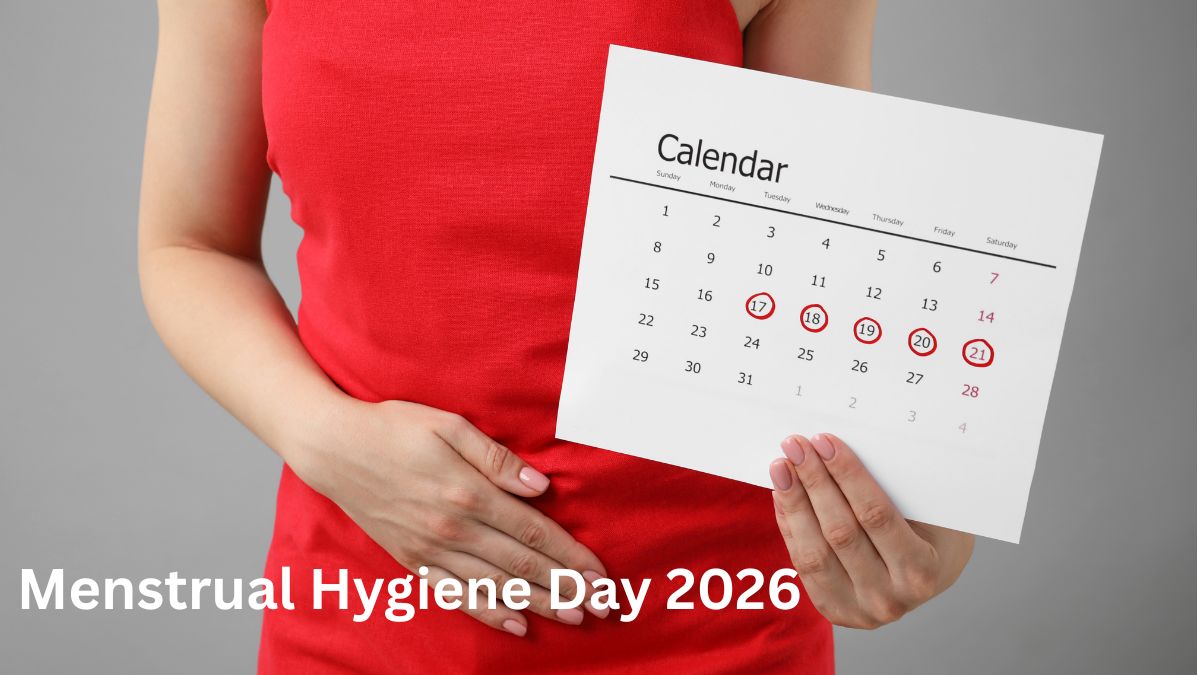
The date, May 28, was chosen for a meaningful reason. It represents the average menstrual cycle of 28 days and the average duration of menstruation, which is approximately five days. This symbolic choice highlights the natural and biological aspect of menstruation and aims to normalize conversations around periods.
The movement began in 2014 with the support of WASH United, an organization focused on improving sanitation and hygiene awareness. Since then, Menstrual Hygiene Day has grown into a worldwide campaign supported by governments, non-governmental organizations, health workers, educators and activists across many countries.
In several parts of the world, menstruation is still surrounded by myths, social taboos and misinformation. Many girls and women face shame, discrimination and restrictions during their periods. In some communities, discussing menstruation openly remains difficult, preventing people from accessing accurate information and proper hygiene products.
Menstrual Hygiene Day plays an important role in challenging these outdated beliefs and encouraging open conversations about menstrual health. The movement promotes dignity, respect and equal opportunities for menstruating individuals.
The issue is also closely linked to education and human rights. Millions of girls worldwide do not have access to affordable sanitary products, clean water or proper sanitation facilities. As a result, many students miss school during their periods, affecting their education and confidence. Poor menstrual hygiene can also increase the risk of infections and reproductive health problems.
To spread awareness, various activities are organized globally on May 28 each year. Schools, healthcare institutions, community organizations and businesses conduct workshops, awareness campaigns, educational programs and discussions focused on menstrual health, hygiene and sanitation.
Experts believe promoting menstrual hygiene is essential for achieving gender equality and improving public health. Providing girls and women with knowledge, healthcare support and hygiene resources allows them to live healthier, safer and more confident lives.
Menstrual Hygiene Day is more than just an awareness campaign. It is a global call for action urging governments and policymakers to ensure access to affordable sanitary products, clean water, safe toilets and proper health education for everyone.
As the world observes Menstrual Hygiene Day on May 28, the message remains clear — breaking the silence around menstruation can help build a healthier, more equal and more informed society for future generations.