In the biggest policy update China will formally define artificial intelligence (AI) safety as national security issue in the future, in line with cyber security, biological security and disaster control. Beijing’s renewed attention at the top and the risk associated with AI innovations as technology rapidly expands are only one evidence of its increasing concern of cybersecurity.
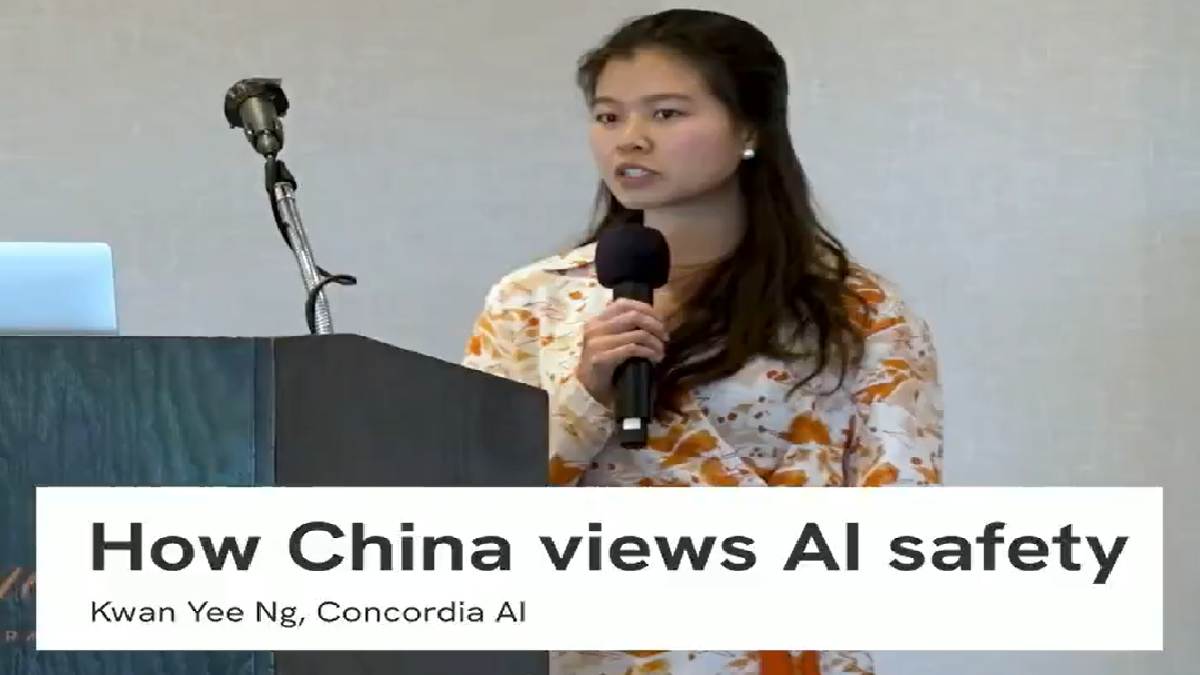
Kwan Yee Ng said China has developed a clear, integrated approach to AI-governance for effective governance models in line with the framework of AI governance. China’s strategy by balancing strict regulation with focused innovation programs, aims to safeguard technology and society.
AI Safety as National Security
China is making AI safety part of national security in that way, at the same time warning that dangers of technology based on advanced Artificial Intelligence and its related artificial intelligence systems misinformation and autonomous decision-making errors could have far-reaching impact on society, national and national governance.AI oversight, in this sense, fits in to existing security needs, such as data protection and infrastructure resilience.
Key Policy Measures
China’s regulatory framework includes some key mechanisms for the control and tracking AI development:
Model Registration System. Developers must register their models with their agencies prior to deploying them. But to be transparent, such a system allows government to oversee who is building and delivering modern AI with a budget.

There are required safety checks before releasing AI. Such checks are to prevent ill-informed output, bias or abuse and to make sure that AI systems adhere to national guidelines.
Content and risk controls. In the future, AI systems should follow very rigorous content regulations regarding politically charged or socially toxic material as well. Developers have to give responsibility (as part of getting permission to publish a content on the cloud or on the internet) to prevent their systems in conflict with these policies.
AGI Safety Pilot Programs
China is also investing in forward-looking initiatives by conducting AI safety pilot programs in big cities like Beijing and Shanghai. Such pilot programs are intended to test governance frameworks, risk relief efforts and technical protection for potentially more powerful AI systems that go beyond human intelligence in some areas.
The pilots will probably involve collaboration with the government sector, institutions doing research and private tech companies working in the same room and will be controlled environment to monitor AI behaviours and safety.
Global Implications
China’s approach is part of the growing trend globally such as governments are increasingly viewing AI as an asset as well as a potential threat. China has an opportunity to put AI safety safely at the center of national security by institutes for centralized control and proactive risk management.
And the model has also stirred debates internationally. Some experts see it as necessary to prevent misuse ; there are wider threats as well with a focus on this type of over regulation that may undermine innovation and also impede free thinking. This brings us only what we have here to write about.
China’s decision to make AI safety a national security issue is a watershed moment when it comes to global AI governance. With stringent regulations, safety testing and AGI pilot programs in place, it is positioning itself as one of the front-runners. China’s method is being examined by international governments as much on how innovation and safety in an era of artificial intelligence work in dialogue and how they can manage risk.