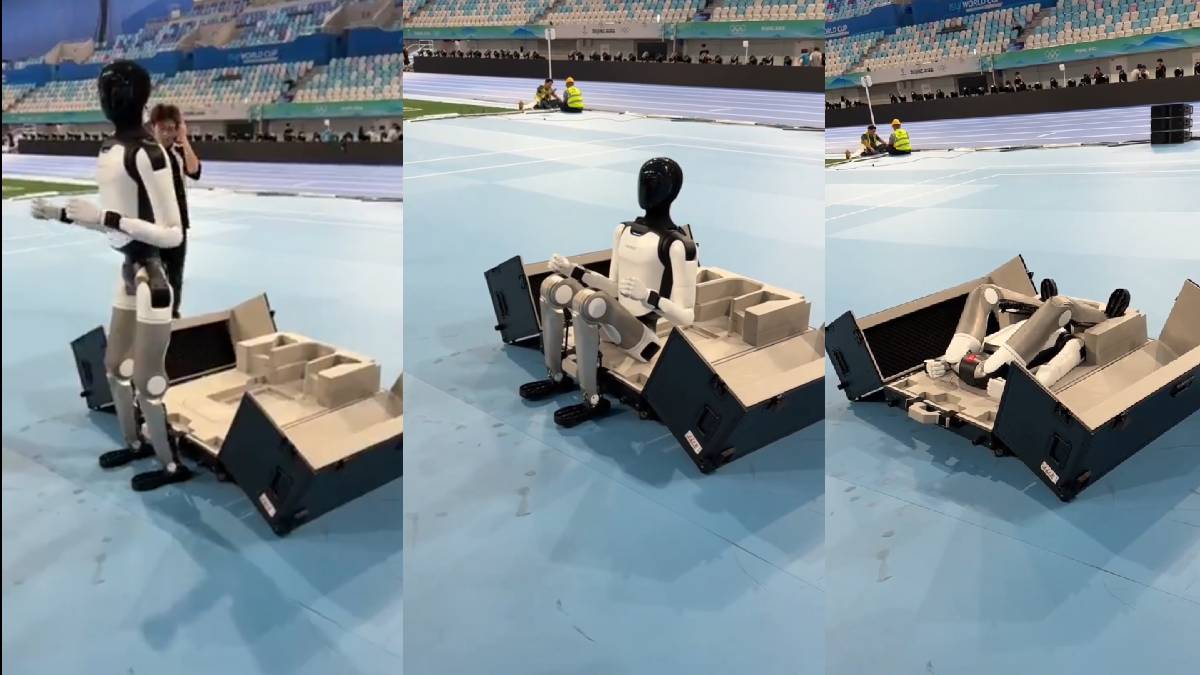
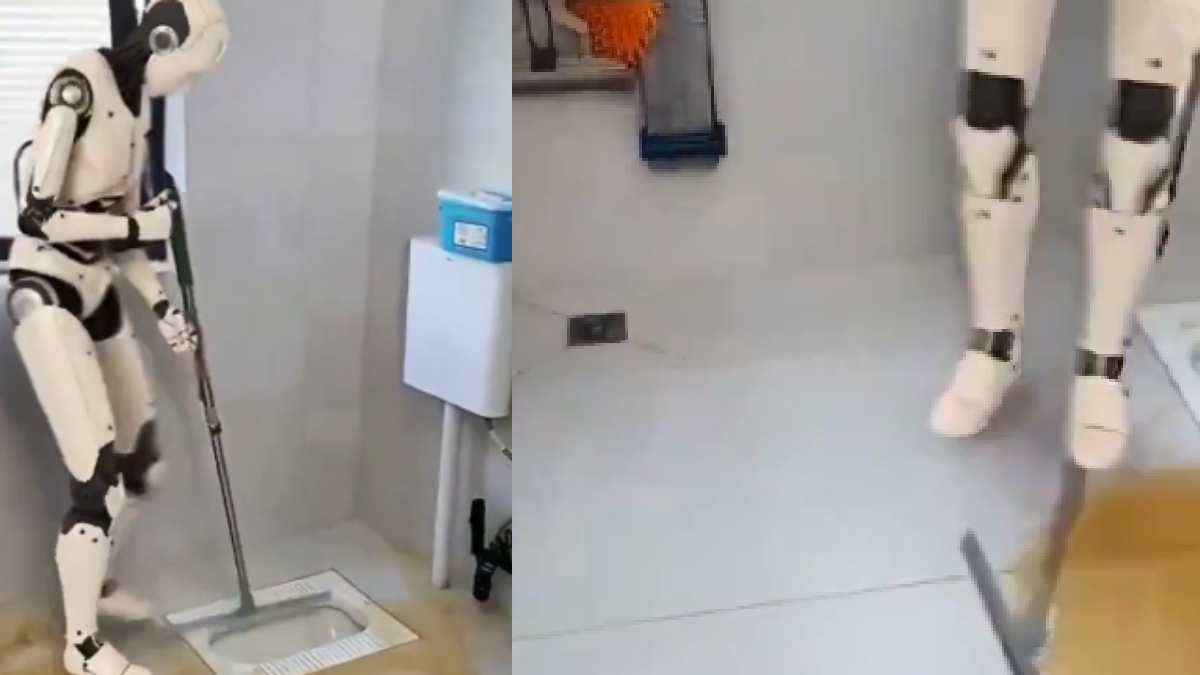
China is also one of the first countries to host the first humanoid robot Mixed Martial Arts (MMA) event, demonstrating the sharp rise of AI, robotics engineering, and autonomous motion technologies. A combat-style competition was conducted to get humanoid robots to perform in the real world, by way of balance, agility, coordination, and real-time decision-making.
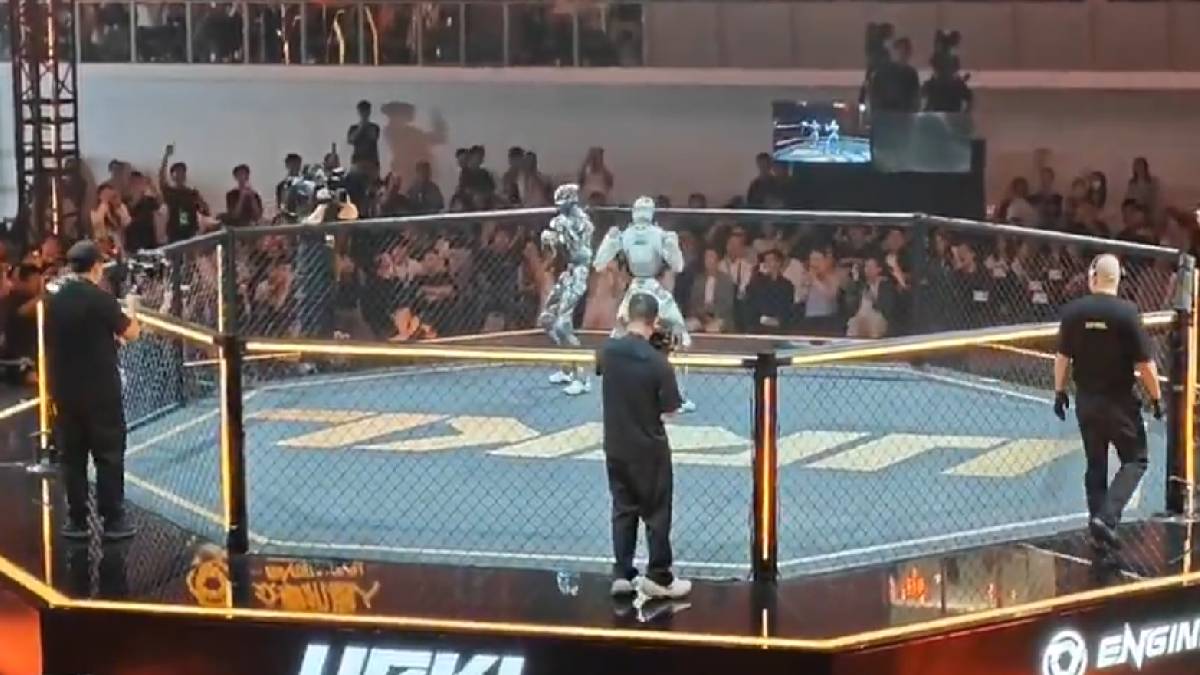
In contrast to traditional robot competitions that are about speed or obstacle navigation, the robot MMA event tested how advanced humanoid machines could move with dynamic physical movement and respond to an opponent's actions. The event was a technology show rather than a sport, and the industry’s history in robotics, machine learning, sensor systems, and mechanical engineering was laid bare.
China hosts the world’s first humanoid robot MMA event. pic.twitter.com/qzOwbJBaJh
— Globe Eye News (@GlobeEyeNews) July 18, 2026
Humanoid robots with artificial intelligence, advanced sensors, cameras, motion controllers, and AI algorithms had been equipped to balance, recognize opponents for their movement, execute programmed movements, and recover from impacts or falls. Engineers designed robots to exhibit more and more human-like movement, a challenge in humanoid robotics.

Maintaining stability during fast motion is still one of the biggest engineering challenges in humanoid robot development. Walking, turning, punching, dodging, and recovering balance require continuous processing of sensor data and precise coordination between motors, joints, and onboard computing systems. Robot MMA competitions can bring us some good testing for these technologies in a very demanding environment.
China has been investing heavily in robotics and artificial intelligence over the last decade, making the sector a key pillar of its advanced manufacturing strategy. Most of the robotics companies, research institutes, and AI startups in the country are working on industrial robots, service robots, medical robots, autonomous vehicles, and humanoid machines.
With this in mind, the competition also revealed how AI is enabling robots to perform more advanced tasks. Today’s humanoid robots are combining computer vision with machine learning, force sensing, and motion planning to work better with the world around them. The robots being employed in the competition made use of pre-defined control systems and AI-driven responses, but they still do not have full human-like intelligence.
The advancements in the technologies revealed at this event could have applications in areas beyond entertainment. Technologies developed for humanoid robots can be applied to sectors like healthcare, manufacturing, disaster response, logistics, space exploration, and elderly care. Better balance, dexterity, and mobility will make future robots more likely to perform tasks that are difficult or dangerous for humans to do in more challenging environments.
The race for advanced humanoid robots has intensified in recent years because companies and research agencies globally are investing billions of dollars in next-generation robotic systems. Advances in artificial intelligence, battery technology, lightweight materials, and high-performance computing have sped up the development of robots that can cope with very real-world situations.
While robot combat events are attractive to the public, they are more of a test of engineering performance than a competition. For developers, controlled challenges help them to test hardware durability, software reliability, motion algorithms, and safety systems with the purpose of getting robots to work in real-world applications.
China’s success in organizing the first humanoid robot MMA event in the world shows how rapidly AI and robotics are being developed. As humanoid technology advances, the research potential can be stimulated, and new commercial applications are also envisioned, and in the future, intelligent machines could play a central role in everyday life and industry.