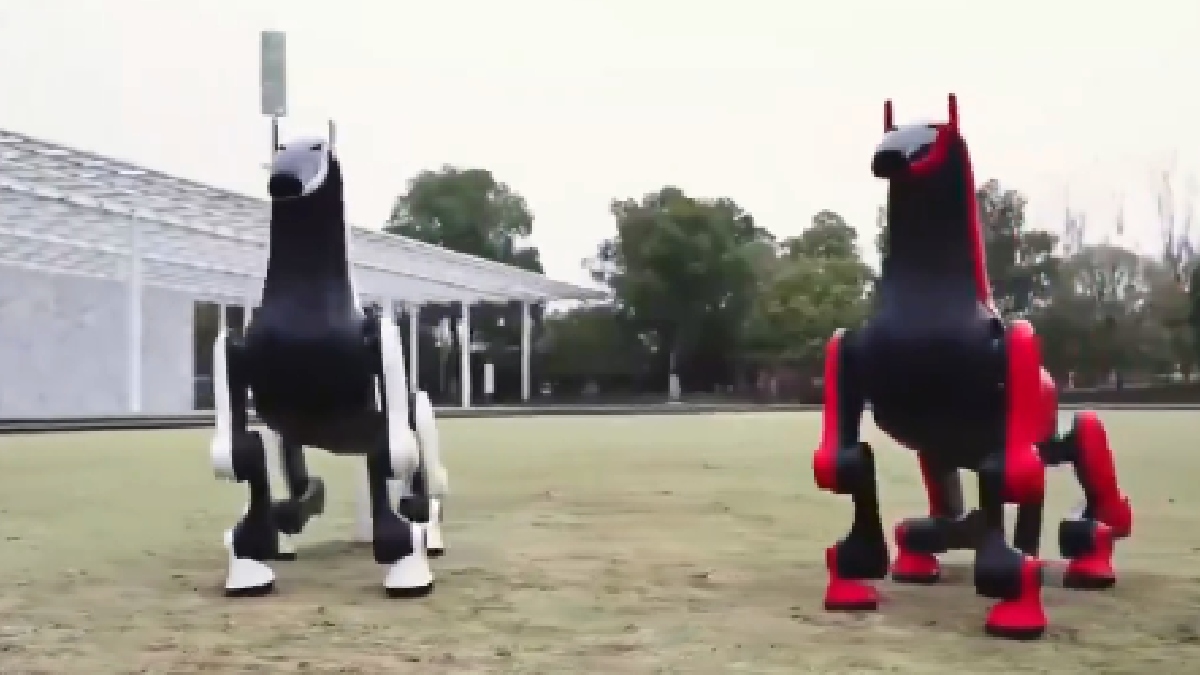
China’s rapid expansion of robotics has raised eyebrows again about its potential use in dangerous and high-altitude regions near the Indian border. Chinese military formations facing India have been training and operating robots, particularly quadrupedal “robot dogs.”

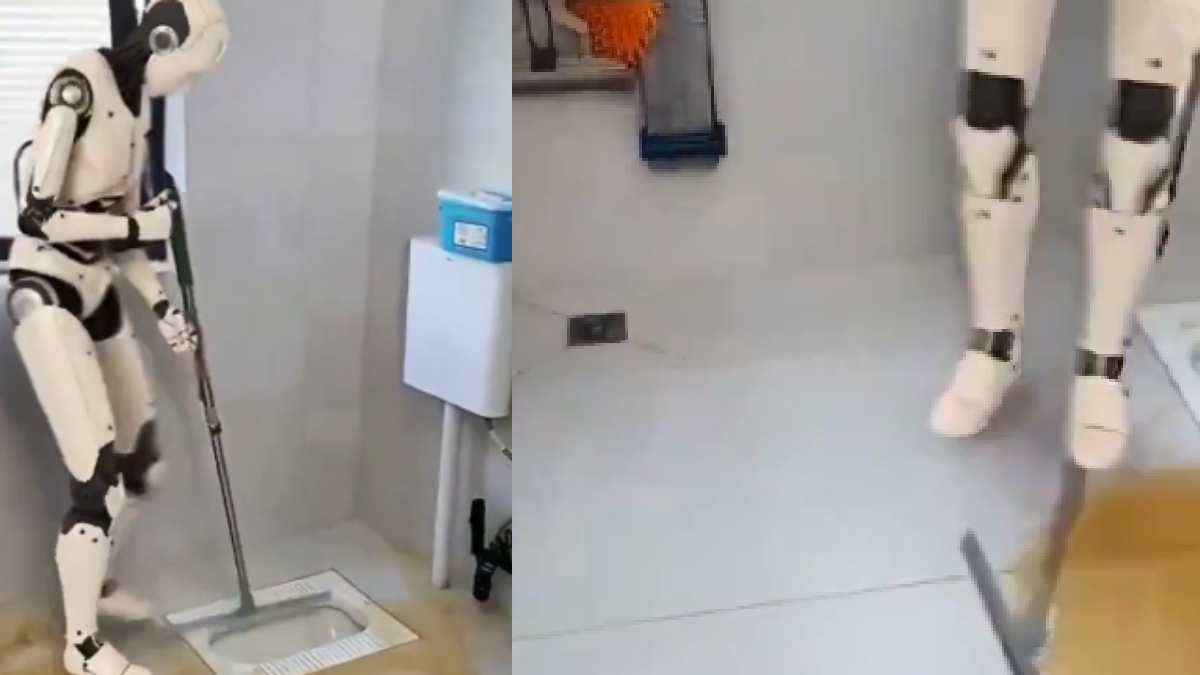
But claims about humanoid robots being deployed along the India-China border need to be treated cautiously, because publicly available evidence does not clearly prove widespread deployment of humanoid robots there.
A May 2026 study by the Centre of Excellence for Himalayan Studies at Shiv Nadar University documented the integration of quadrupedal robots and armed robotic systems across formations of China’s People’s Liberation Army Western Theatre Command.
Such systems have been tested and integrated in areas such as the Tibet Military Region, responsible for operations along China’s western frontier facing India.
The development comes as China is continuing to invest heavily in robotics. At Beijing’s 2026 World Robot Conference, over 300 companies displayed thousands of robots, showcasing Beijing’s push to move humanoid machines from being only demonstrations to real life applications in logistics, manufacturing and other industries.
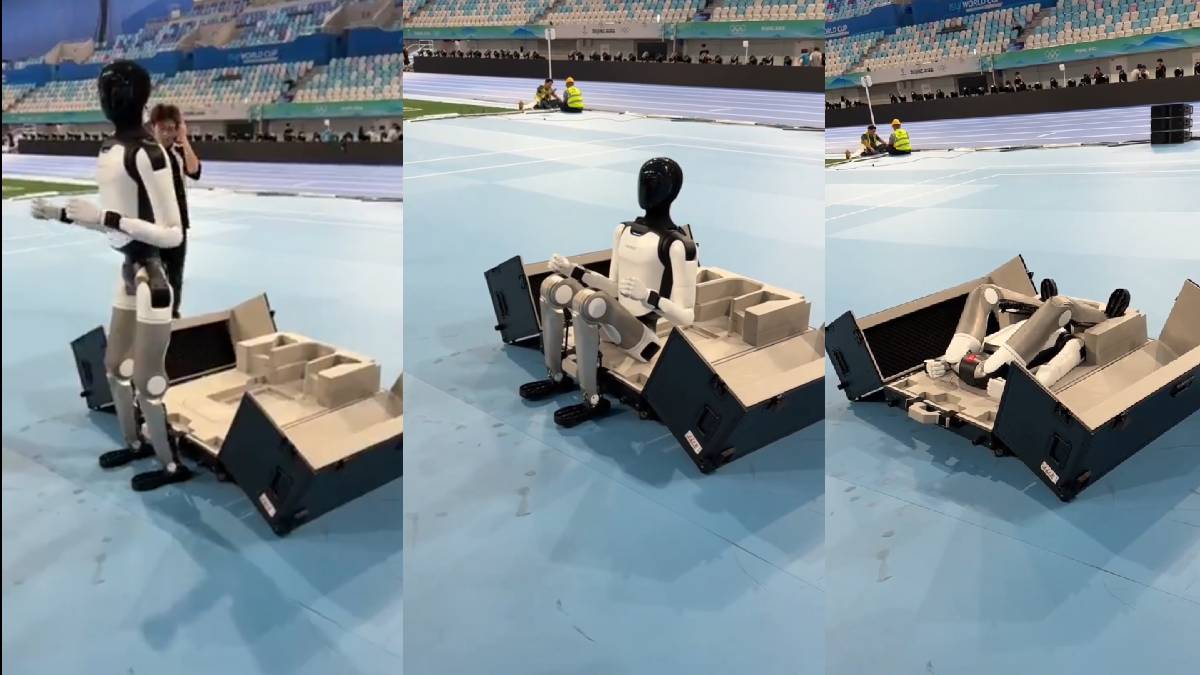
China’s robotics industry has also grown rapidly. The report said that in the first half of 2026 the country shipped more than 40,000 humanoid robots, accounting for 97% of global shipments.
Robotic systems could offer more opportunities for the Himalayan frontier. Machines can be used to carry equipment, conduct reconnaissance, transport supplies and operate in terrain that can be challenging for soldiers.
China has reportedly begun deploying humanoid robots in areas near its border with India, marking a notable step in the use of advanced robotic systems for operations in high-altitude and strategically sensitive regions. pic.twitter.com/WBhb395y6x
— Nudrat Fatima (@NudratFati51607) August 24, 2026
With high altitude environments and with cold, thin air and rugged terrain where people’s bodies can be overwhelmed with effort unmanned systems could help with more support.
The PLA is not limited to humanoid machines. Research has documented trials of quadrupedal robots, such as tactical support robots for battlefield and other specialised roles. Chinese companies also have shown robots for security and military purposes.
The issue is especially important because India and China have a sensitive border relationship. The two countries are scheduled to hold the 25th round of Special Representatives’ talks on the boundary question in Beijing on August 25, 2026, with Indian National Security Adviser Ajit Doval and Chinese representative Wang Yi.
The growing robotics presence in the India-China security landscape adds another technological dimension to the India-China security picture. Although there are no reports of humanoid robots specifically patrolling the border, the fact is that China is increasingly testing robots for applications in the real world, including security and defence.
For India, the development could accelerate interest in similar technologies for surveillance, logistics and high-altitude operations. Rather than replacing soldiers entirely, robots are more likely to emerge as additional tools that can extend human capabilities in some of the world’s most challenging operational environments.