The death toll from the Democratic Republic of the Congo's rapidly spreading Ebola outbreak has surpassed 1,700 and the World Health Organization (WHO) says clinical trials for experimental treatments, preventative medicines and vaccines are moving at a record pace. According to official government data, the outbreak, based on the Bundibugyo virus, has so far claimed 1,707 lives out of 3,802 cases since the health emergency was declared on May 15. Public health data show that more than 17,000 contacts are being tracked and about 80 percent of them are followed up on every day by medical teams. As the second-largest Ebola outbreak in history, it is also the fastest-growing epidemic of its kind, and it is more complicated than most other outbreaks that have been preceded by the Bundibugyo virus, because no vaccines or licensed treatments have been scientifically approved for the Bundibugyo virus.
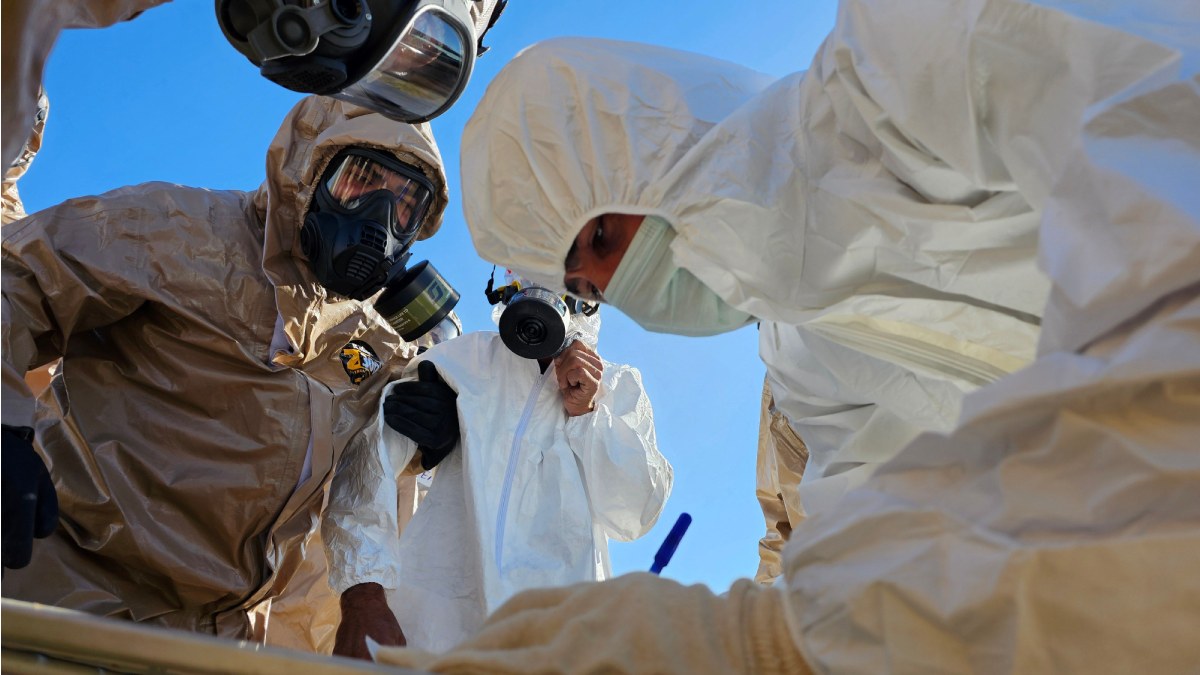
In Geneva, speaking to reporters, Vasee Moorthy, the acting head of the WHO’s R&D Blueprint programme, said years of careful planning allowed researchers to launch early clinical trials for experimental interventions far sooner than in other health crises. Although the preclinical research so far is promising, Moorthy added: “However clinical trials with rigorous monitoring and controlled studies will ultimately determine if these medical countermeasures and vaccines really work on the ground.” WHO Director-General Tedros Adhanom Ghebreyesus said he would arrive in Kinshasa, the Congolese capital, and travel toward Bunia around the epicenter of the outbreak, where Bunia is located, and visit Bunia on his second trip to the affected part of the country.
Most of the outbreak is concentrated in the eastern province of Ituri, accounting for nearly 90 percent of all cases reported. But the virus has broken through provincial boundaries, with confirmed cases in five more provinces and in Kisangani, one of the most important commercial centres. The WHO also reports that so far more than 100 health workers have been infected by the virus since the epidemic began. Containment efforts have been hampered by severe operational bottlenecking in terms of the time taken to locate contacts, local armed groups with violence where they are engaging in direct attacks on medical facilities, difficulty in accessing remote parts of the affected population and widespread distrust of health care providers. In addition, the emergency response faces a huge financial strain due to recent cuts in international aid funding.
The mounting pressure on the regional health care system has driven widespread unrest among its doctors. Healthcare workers based in the badly hit town of Mongbwalu issued strong warnings as they threatened to escalate industrial strikes if wages were not paid on time in response to the delay that had been in place in payment of overdue wages, similar to recent strikes by medical workers in Bunia for the lack of pay and unsafe working conditions. This epidemic has been spreading faster than ever before, and during West Africa's 2014-2016 epidemic (which infected around 28,000 people and killed over 11,000 people) it took about eight months to reach 1,000 deaths across the country, while Uganda got Ebola-free after releasing the last recovering patient from hospital care.